
Mauro Erriquez
Senior Partner at McKinsey Reimagining Data-Driven Procurement and Industrial Resilience
Mauro Erriquez Key Topics
Reimagining Procurement as the Engine of Margin Resilience in Volatile Markets
Energy, commodity, and tariff swings now move faster than planning cycles, yet many organisations still treat volatility as something to react to rather than something they can design for. The misconception is that resilience comes from hedging or tougher negotiations; in reality, it comes from reimagining procurement as a strategic function that shapes margins, not just defends them. That means rethinking sourcing choices, specifications, footprint, and how demand adjusts when markets shift. Mauro draws on work with steel, pulp and paper, machinery, and aerospace companies to show how analytics, digital twins, and modern operating models allow procurement teams to stabilise costs and protect competitiveness even in highly turbulent environments.
What Reimagining Procurement Actually Means When AI Enters the Picture
Many organisations experiment with AI in procurement and conclude the returns are modest, because they layer new tools onto old workflows. Mauro has seen value emerge only when roles, decision rights, and talent models are rebuilt around how AI changes judgment, speed, and scale. The conversation shifts from “what can this tool do?” to “which decisions should humans still own, and which ones should never be manual again?”
What the C-Suite Gets Wrong About AI’s Impact on Procurement Decisions
Generative AI is already changing how information is gathered, analysed, and acted on in sourcing and supply markets, but most leadership teams are still experimenting at the edges. Many executives assume AI in procurement is just about faster spend analysis; in practice, it will reshape how negotiations are run, how risks are priced, and how strategic decisions are made across the value chain. Mauro draws on McKinsey’s 'Reimagining Procurement' work to show what this means at board level-what to centralise, what to automate, and where human judgment and talent become even more important.
Why the Next Generation of Procurement Talent Will Not Look Like the Last
Many leaders still picture procurement as a career for negotiators and category managers with a narrow remit; that view is rapidly going out of date. As AI, data, and sustainability move to the centre of the function, procurement needs people who can connect analytics, commercial judgment, and cross-functional influence-not just run tenders. Mauro talks candidly about what he looks for when building teams, how to make procurement an attractive career path for high-potential talent, and why capability building has become a strategic priority for CPOs.
How Data-Driven Procurement Teams Create the Five-Point EBITDA Margin Gap
Top procurement organisations are already showing EBITDA margins several percentage points higher than peers by taking data far more seriously than most. The trap is believing that buying a tool equals becoming “data-driven,” when the real differentiator is end-to-end use cases, ownership of data infrastructure, and disciplined change in how people work. Mauro walks through what he sees in leading teams globally-from spend digital twins and should-costing on volatile commodities to AI-supported category management-and why success is as much about operating model and skills as about technology.
Why Treating Procurement as an Admin Function Weakens Both Margin and Resilience
Procurement still gets framed as a cost-control function, even as volatility, supplier concentration, and design choices increasingly determine financial outcomes. Mauro draws on transformations across steel, aerospace, and machinery to show how value is actually created upstream-through specification decisions, supplier ecosystems, and operating models that connect procurement directly to margin management. When procurement stays transactional, organisations don’t just lose savings; they lock in fragility.
Latest video
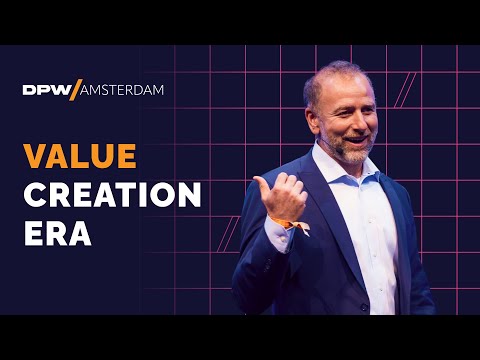
Reimagining Procurement: Exploring the Strategies and Mindsets That Will Move the Needle
Key topics
Why the Next Generation of Procurement Talent Will Not Look Like the Last
Many leaders still picture procurement as a career for negotiators and category managers with a narrow remit; that view is rapidly going out of date. As AI, data, and sustainability move to the centre of the function, procurement needs people who can connect analytics, commercial judgment, and cross-functional influence-not just run tenders. Mauro talks candidly about what he looks for when building teams, how to make procurement an attractive career path for high-potential talent, and why capability building has become a strategic priority for CPOs.
What the C-Suite Gets Wrong About AI’s Impact on Procurement Decisions
Generative AI is already changing how information is gathered, analysed, and acted on in sourcing and supply markets, but most leadership teams are still experimenting at the edges. Many executives assume AI in procurement is just about faster spend analysis; in practice, it will reshape how negotiations are run, how risks are priced, and how strategic decisions are made across the value chain. Mauro draws on McKinsey’s 'Reimagining Procurement' work to show what this means at board level-what to centralise, what to automate, and where human judgment and talent become even more important.
Reimagining Procurement as the Engine of Margin Resilience in Volatile Markets
Energy, commodity, and tariff swings now move faster than planning cycles, yet many organisations still treat volatility as something to react to rather than something they can design for. The misconception is that resilience comes from hedging or tougher negotiations; in reality, it comes from reimagining procurement as a strategic function that shapes margins, not just defends them. That means rethinking sourcing choices, specifications, footprint, and how demand adjusts when markets shift. Mauro draws on work with steel, pulp and paper, machinery, and aerospace companies to show how analytics, digital twins, and modern operating models allow procurement teams to stabilise costs and protect competitiveness even in highly turbulent environments.
View all topics →
Latest video
Reimagining Procurement: Exploring the Strategies and Mindsets That Will Move the Needle
Key topics
Why the Next Generation of Procurement Talent Will Not Look Like the Last
Many leaders still picture procurement as a career for negotiators and category managers with a narrow remit; that view is rapidly going out of date. As AI, data, and sustainability move to the centre of the function, procurement needs people who can connect analytics, commercial judgment, and cross-functional influence-not just run tenders. Mauro talks candidly about what he looks for when building teams, how to make procurement an attractive career path for high-potential talent, and why capability building has become a strategic priority for CPOs.
What the C-Suite Gets Wrong About AI’s Impact on Procurement Decisions
Generative AI is already changing how information is gathered, analysed, and acted on in sourcing and supply markets, but most leadership teams are still experimenting at the edges. Many executives assume AI in procurement is just about faster spend analysis; in practice, it will reshape how negotiations are run, how risks are priced, and how strategic decisions are made across the value chain. Mauro draws on McKinsey’s 'Reimagining Procurement' work to show what this means at board level-what to centralise, what to automate, and where human judgment and talent become even more important.
Reimagining Procurement as the Engine of Margin Resilience in Volatile Markets
Energy, commodity, and tariff swings now move faster than planning cycles, yet many organisations still treat volatility as something to react to rather than something they can design for. The misconception is that resilience comes from hedging or tougher negotiations; in reality, it comes from reimagining procurement as a strategic function that shapes margins, not just defends them. That means rethinking sourcing choices, specifications, footprint, and how demand adjusts when markets shift. Mauro draws on work with steel, pulp and paper, machinery, and aerospace companies to show how analytics, digital twins, and modern operating models allow procurement teams to stabilise costs and protect competitiveness even in highly turbulent environments.
View all topics →