
Mauro Erriquez
Senior Partner at McKinsey Reimagining Data-Driven Procurement and Industrial Resilience
Sample Podcast Questions for Mauro Erriquez
- 1
You often argue that procurement should be seen as a strategic function rather than an administrative one—what was the moment in your career that crystallised that view for you?
- 2
When you look at the most advanced procurement organisations today, what are they doing differently with data and AI that others are not?
- 3
Can you walk us through a real example where a “spend digital twin” changed the negotiation power or decision-making for a client?
- 4
Energy markets, tariffs, and geopolitics have become daily headlines—how are industrial clients rethinking their procurement and energy strategies in response?
- 5
In your work on Reimagining Procurement, what surprised you most about how quickly (or slowly) organisations are changing their procurement operating models?
- 6
You talk about “procurement 2030” a lot—if a CPO listens to this and feels behind, what are the first two or three practical moves they should make in the next 12 months?
- 7
How do you see generative AI reshaping supplier negotiations, and where do you draw the line between algorithmic support and human judgment?
- 8
For leaders in energy-intensive sectors, what are the most common mistakes you see when they try to link decarbonization goals with procurement decisions?
- 9
You started your career on the purchasing side at GM—how does that industrial background still influence how you advise clients today?
- 10
You’re passionate about developing the next generation of procurement professionals—what capabilities will define a great procurement leader in the 2030s?
Latest video
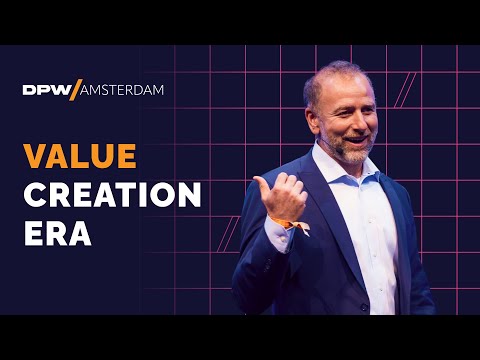
Reimagining Procurement: Exploring the Strategies and Mindsets That Will Move the Needle
Key topics
Why the Next Generation of Procurement Talent Will Not Look Like the Last
Many leaders still picture procurement as a career for negotiators and category managers with a narrow remit; that view is rapidly going out of date. As AI, data, and sustainability move to the centre of the function, procurement needs people who can connect analytics, commercial judgment, and cross-functional influence-not just run tenders. Mauro talks candidly about what he looks for when building teams, how to make procurement an attractive career path for high-potential talent, and why capability building has become a strategic priority for CPOs.
What the C-Suite Gets Wrong About AI’s Impact on Procurement Decisions
Generative AI is already changing how information is gathered, analysed, and acted on in sourcing and supply markets, but most leadership teams are still experimenting at the edges. Many executives assume AI in procurement is just about faster spend analysis; in practice, it will reshape how negotiations are run, how risks are priced, and how strategic decisions are made across the value chain. Mauro draws on McKinsey’s 'Reimagining Procurement' work to show what this means at board level-what to centralise, what to automate, and where human judgment and talent become even more important.
Reimagining Procurement as the Engine of Margin Resilience in Volatile Markets
Energy, commodity, and tariff swings now move faster than planning cycles, yet many organisations still treat volatility as something to react to rather than something they can design for. The misconception is that resilience comes from hedging or tougher negotiations; in reality, it comes from reimagining procurement as a strategic function that shapes margins, not just defends them. That means rethinking sourcing choices, specifications, footprint, and how demand adjusts when markets shift. Mauro draws on work with steel, pulp and paper, machinery, and aerospace companies to show how analytics, digital twins, and modern operating models allow procurement teams to stabilise costs and protect competitiveness even in highly turbulent environments.
View all topics →
Latest video
Reimagining Procurement: Exploring the Strategies and Mindsets That Will Move the Needle
Key topics
Why the Next Generation of Procurement Talent Will Not Look Like the Last
Many leaders still picture procurement as a career for negotiators and category managers with a narrow remit; that view is rapidly going out of date. As AI, data, and sustainability move to the centre of the function, procurement needs people who can connect analytics, commercial judgment, and cross-functional influence-not just run tenders. Mauro talks candidly about what he looks for when building teams, how to make procurement an attractive career path for high-potential talent, and why capability building has become a strategic priority for CPOs.
What the C-Suite Gets Wrong About AI’s Impact on Procurement Decisions
Generative AI is already changing how information is gathered, analysed, and acted on in sourcing and supply markets, but most leadership teams are still experimenting at the edges. Many executives assume AI in procurement is just about faster spend analysis; in practice, it will reshape how negotiations are run, how risks are priced, and how strategic decisions are made across the value chain. Mauro draws on McKinsey’s 'Reimagining Procurement' work to show what this means at board level-what to centralise, what to automate, and where human judgment and talent become even more important.
Reimagining Procurement as the Engine of Margin Resilience in Volatile Markets
Energy, commodity, and tariff swings now move faster than planning cycles, yet many organisations still treat volatility as something to react to rather than something they can design for. The misconception is that resilience comes from hedging or tougher negotiations; in reality, it comes from reimagining procurement as a strategic function that shapes margins, not just defends them. That means rethinking sourcing choices, specifications, footprint, and how demand adjusts when markets shift. Mauro draws on work with steel, pulp and paper, machinery, and aerospace companies to show how analytics, digital twins, and modern operating models allow procurement teams to stabilise costs and protect competitiveness even in highly turbulent environments.
View all topics →