Matthew Kaufman
Matt Kaufman has spent most of his life at summer camp, but not because he lacked options. In school, things came easily. He moved quickly through classes and eventually graduated from Cornell University with both a bachelor’s and a master’s degree in Operations Research and Industrial Engineering, finishing his master’s program as valedictorian. Camp was different. He was the quiet kid who had to push himself to talk to people, try things that felt uncomfortable, and work through everyday conflicts in a place where no one cared about grades. That early contrast—school rewarding his mind and camp reshaping his whole self—never left him.
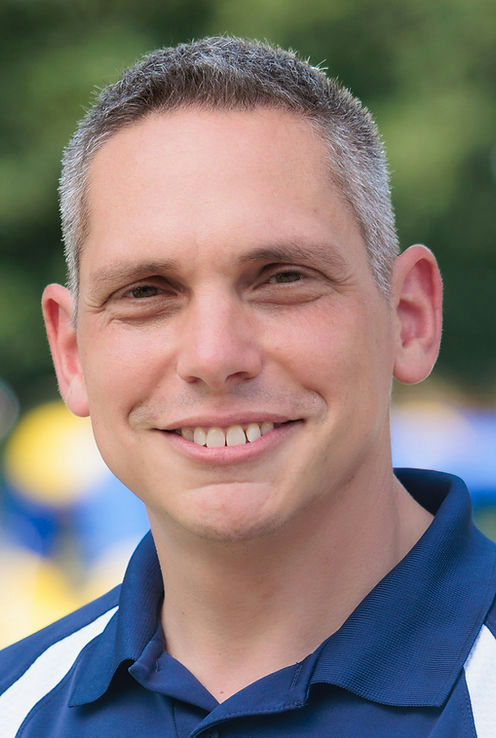
Matt Kaufman has spent most of his life at summer camp, but not because he lacked options. In school, things came easily. He moved quickly through classes and eventually graduated from Cornell University with both a bachelor’s and a master’s degree in Operations Research and Industrial Engineering, finishing his master’s program as valedictorian. Camp was different. He was the quiet kid who had to push himself to talk to people, try things that felt uncomfortable, and work through everyday conflicts in a place where no one cared about grades. That early contrast—school rewarding his mind and camp reshaping his whole self—never left him.
As he moved into the Summer Camp industry and eventually became Director at Camp Ramaquois outside New York City, he began to see the same pattern play out in thousands of young people. A child or staff member would arrive one version of themselves and, little by little, become someone steadier, braver, and more connected. The change was consistent enough that Matt found himself asking what was underneath it: what exactly is happening at camp—socially, emotionally, and in the brain—that helps people grow in such reliable ways?
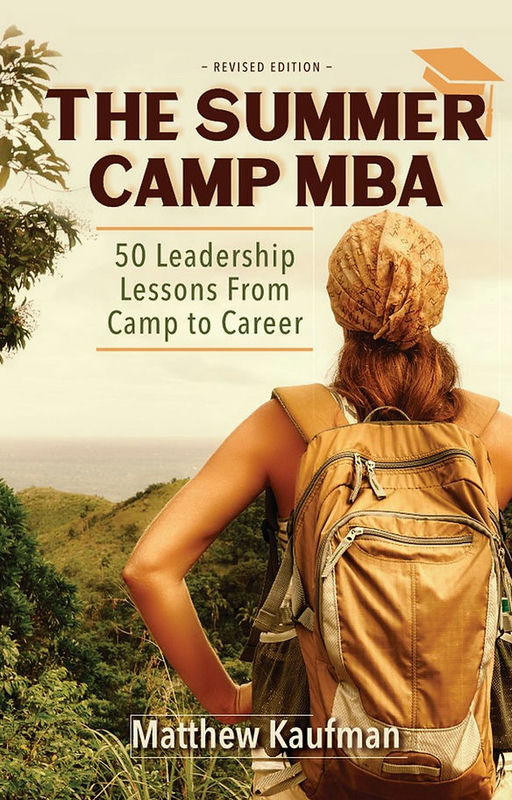
His first book, The Summer Camp MBA, explored that question in the context of leadership, showing how bunk life teaches teamwork in ways most workplaces struggle to create. His new book, The Campfire Effect, follows the thread even deeper. Through the lens of five key brain chemicals, he blends research with decades of lived experience to explain why camp works as well as it does—and how the same dynamics can be brought into the rest of life.
He tells this through the story of one family and the people around them, illustrating how small moments—a predictable goodbye ritual, a quiet check-in before a hard conversation, a shared challenge done side by side—can steady a child, settle a classroom, or bring a team closer together. The scenes feel unmistakably like camp, even though they take place in kitchens, schools, and offices.
Matt also runs Ilove.camp, a year-round community where he shares ideas on camp culture, technology, and the simple mechanics that make meaningful groups work.
As a podcast guest, Matt brings thoughtful, story-rich conversations that help parents, educators, leaders, and camp pros apply what camp has long understood about how people grow.


Episode angles ready to record
Matt explains how living and working with a group around the clock forces young adults to build communication, regulation, and conflict-resolution skills…
Matt explains that kids don’t just need protection from stress-they need supported challenges with real people, the way camp pairs “I’m scared” with “I’m not…
Matt shares how camp pushed him to develop social courage, try things he wasn’t initially good at, and navigate real-world conflicts-skills his academic path…
Matt encourages directors to move beyond describing camp as “magic” and instead articulate the practices, safety cues, and structures that make it work. When…