
Sample Podcast Questions for Mark Jones
- 1
What inspired you to write The Starving Artist Myth, and what was the pivotal moment that made you realize this book needed to be written?
- 2
Can you share the historical origins of the "starving artist" stereotype and explain why it continues to influence educational and parental attitudes today?
- 3
What are some of the most surprising findings from your research about the economic realities of creative careers?
- 4
How can parents better support their children who want to pursue creative paths without fearing for their future security?
- 5
What misconceptions do you think are most damaging to young creatives, and how can they be countered?
- 6
Can you talk about your personal experience navigating the creative industry and how it shaped your views on this subject?
- 7
How has the post-pandemic shift in audience behavior impacted the creative industries, and what does this mean for emerging artists?
- 8
In your experience as an educator, what changes would you like to see in the way art and design programs are structured to better support students?
- 9
What role does technology, particularly artificial intelligence, play in the current and future landscape of creative careers?
- 10
What practical advice would you give to young creatives or those just starting out to help them find sustainable success in their careers?
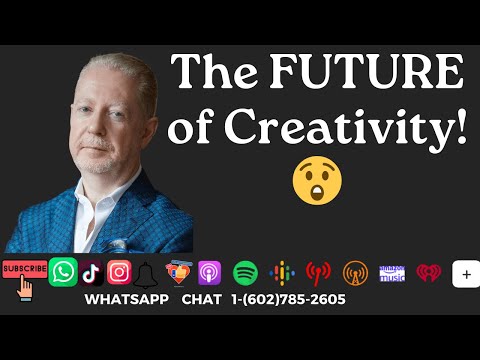
Latest episodes

Key topics
Parenting a Creative: Supporting Your Child’s Artistic Ambitions
Mark can discuss the challenges parents face when their children express a desire to pursue a creative career. Drawing from his personal experiences as both a parent and educator, Mark addresses common fears, misconceptions about job security, and how parents can support their children while navigating the perceived risks associated with creative fields. He emphasizes the importance of understanding the real economic potential of these careers.
'The Starving Artist' and The Economic Truth Behind Creative Careers
Mark shares the historical origins of the 'starving artist' stereotype and why it still holds influence over educational and parental attitudes today. He explains how this stereotype misrepresents the economic reality of creative fields and details how contemporary artists are finding success. Mark also offers strategies for students, mid-career workers, educators and parents to counter these misconceptions.
Post-Pandemic Creativity: How Technology and Audience Choices Are Reshaping the Industry
Mark delves into how the pandemic has accelerated a transformation in audience engagement with art and media. He explores shifts in consumer preferences and the economic forces at play, showing how audiences now 'vote with their dollars' more than ever. This evolution is prompting creative industries to adapt their production and business models, leading to impactful changes in film, theater, and live performance. He highlights how technology and audience decisions are reshaping the creative landscape.
View all topics →
Latest episodes
Key topics
Parenting a Creative: Supporting Your Child’s Artistic Ambitions
Mark can discuss the challenges parents face when their children express a desire to pursue a creative career. Drawing from his personal experiences as both a parent and educator, Mark addresses common fears, misconceptions about job security, and how parents can support their children while navigating the perceived risks associated with creative fields. He emphasizes the importance of understanding the real economic potential of these careers.
'The Starving Artist' and The Economic Truth Behind Creative Careers
Mark shares the historical origins of the 'starving artist' stereotype and why it still holds influence over educational and parental attitudes today. He explains how this stereotype misrepresents the economic reality of creative fields and details how contemporary artists are finding success. Mark also offers strategies for students, mid-career workers, educators and parents to counter these misconceptions.
Post-Pandemic Creativity: How Technology and Audience Choices Are Reshaping the Industry
Mark delves into how the pandemic has accelerated a transformation in audience engagement with art and media. He explores shifts in consumer preferences and the economic forces at play, showing how audiences now 'vote with their dollars' more than ever. This evolution is prompting creative industries to adapt their production and business models, leading to impactful changes in film, theater, and live performance. He highlights how technology and audience decisions are reshaping the creative landscape.
View all topics →