About Georgina Songhurst
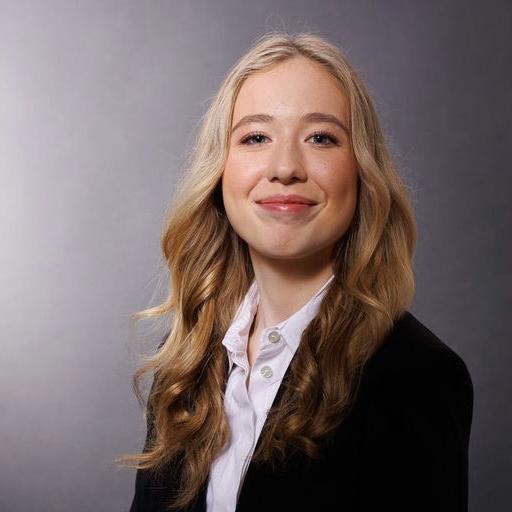
Young Entrepreneur and Founder of Model Diplomat, Making Global Affairs Accessible Through AI
100,000+ users Students, researchers and policy professionals using Model Diplomat worldwide2 million documents Source base powering Model Diplomat’s retrieval system193+ countries Country positions covered by the platform142,000 followers Model Diplomat community
At sixteen, while most students were memorising speeches for their first Model UN conference, Georgina Songhurst was building the tool she wished existed. Her school club was struggling to compete, research was endless, resources unreliable, and the UN’s own library felt impenetrable. So she decided to fix it.
That impulse became Model Diplomat, an AI-powered platform that makes global affairs accessible to everyone. What started as a side project in her bedroom grew into a global community of more than 70,000 users and 142,000 followers, backed by collaborations with major MUN conferences and conversations with the United Nations itself. Along the way, Georgina found herself negotiating with diplomats to gain data access, learning how to code around firewalls, and fielding a $1.5 million offer for her company before finishing school.
Her journey hasn’t been one of shortcuts or polish. When the UN’s servers blocked her, she turned to Wikipedia and discovered how its rigorously moderated pages could train AI to deliver better, fairer answers. That decision defined her philosophy: technology shouldn’t replace human curiosity, but sharpen it.
Today, Georgina speaks not as a prodigy, but as proof that bold ideas can come from anywhere.