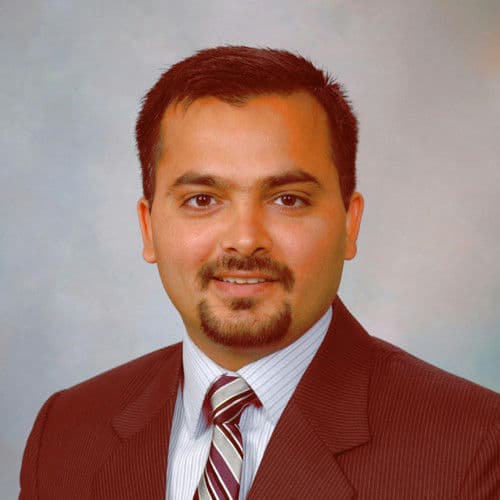
Dr. Sanjeev Kumar Key Topics
The longevity conversation gets a lot weaker when it ignores obesity and cancer
Sanjeev discusses why so much of the public conversation about living longer stays focused on optimization while overlooking the diseases that actually shorten life and reduce quality of life. He can connect obesity, cancer risk, women’s cancers, and prevention into a more serious conversation about what helps people not just add years, but avoid the conditions that make those years harder. This gives the audience a more grounded take on longevity by bringing prevention, disease burden, and real clinical consequence into a space that is often dominated by trend-driven wellness talk.
What a leader in robotic surgery knows about the future of AI in medicine
Sanjeev discusses what AI is genuinely beginning to change in surgery, where the technology is being misunderstood, and why the hardest decisions in medicine still resist simple automation. As a leading robotic pelvic surgeon working in cancer care, he can explain why AI attracts so much hype, what robotic medicine already makes possible, and where human judgment remains the difference between pattern recognition and real surgical expertise. This creates a high-level conversation about the future of medicine that feels informed, current, and far more credible than the usual AI predictions.
The longevity industry is obsessed with living longer while ignoring the diseases that actually ruin people’s lives
A lot of longevity culture sells control, optimization, and the illusion that good habits can outmaneuver biology. Sanjeev can challenge that worldview by showing how cancer, obesity, and women’s health complications shape who gets more years and who gets better years. It turns longevity from a lifestyle conversation into a much more serious discussion about disease, survival, and what it really means to preserve life worth living.
How do you become a leader in a field that keeps changing under your feet
Sanjeev discusses what it takes to build real authority in a field like robotic cancer surgery, where the technology evolves, the science moves, and the standard for expertise keeps rising. His story across India, the UK, and the US shows the making of a surgeon who chose one of the most demanding paths in medicine and then established himself at the front of a growing specialty. This opens up a conversation about ambition, mastery, and leadership in modern medicine that feels substantial, current, and earned.
Too many people talking about the future of medicine have never held a scalpel
Sanjeev discusses the growing gap between the people performing high-stakes medicine and the people dominating the public conversation about AI, cancer care, and medical progress. He can unpack why headlines, podcasts, and online commentary often flatten complex surgical reality into simplistic predictions, and why that becomes dangerous when audiences start confusing confidence with credibility. For hosts, this creates a sharper cultural conversation about expertise, trust, and who gets to shape public understanding of the future.
Latest video
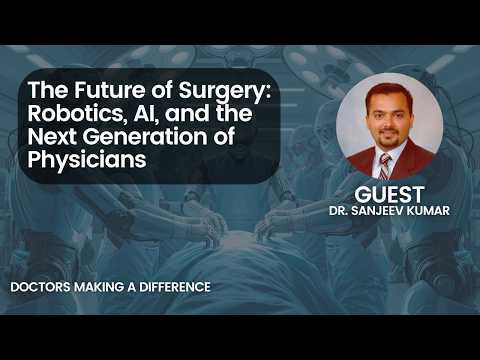
The Future of Surgery: Robotics, AI, and the Next Generation of Physicians With Dr. Sanjeev Kumar
Latest episodes


Key topics
How do you become a leader in a field that keeps changing under your feet
Sanjeev discusses what it takes to build real authority in a field like robotic cancer surgery, where the technology evolves, the science moves, and the standard for expertise keeps rising. His story across India, the UK, and the US shows the making of a surgeon who chose one of the most demanding paths in medicine and then established himself at the front of a growing specialty. This opens up a conversation about ambition, mastery, and leadership in modern medicine that feels substantial, current, and earned.
What a leader in robotic surgery knows about the future of AI in medicine
Sanjeev discusses what AI is genuinely beginning to change in surgery, where the technology is being misunderstood, and why the hardest decisions in medicine still resist simple automation. As a leading robotic pelvic surgeon working in cancer care, he can explain why AI attracts so much hype, what robotic medicine already makes possible, and where human judgment remains the difference between pattern recognition and real surgical expertise. This creates a high-level conversation about the future of medicine that feels informed, current, and far more credible than the usual AI predictions.
The longevity conversation gets a lot weaker when it ignores obesity and cancer
Sanjeev discusses why so much of the public conversation about living longer stays focused on optimization while overlooking the diseases that actually shorten life and reduce quality of life. He can connect obesity, cancer risk, women’s cancers, and prevention into a more serious conversation about what helps people not just add years, but avoid the conditions that make those years harder. This gives the audience a more grounded take on longevity by bringing prevention, disease burden, and real clinical consequence into a space that is often dominated by trend-driven wellness talk.
View all topics →
Latest video
The Future of Surgery: Robotics, AI, and the Next Generation of Physicians With Dr. Sanjeev Kumar
Latest episodes
Key topics
How do you become a leader in a field that keeps changing under your feet
Sanjeev discusses what it takes to build real authority in a field like robotic cancer surgery, where the technology evolves, the science moves, and the standard for expertise keeps rising. His story across India, the UK, and the US shows the making of a surgeon who chose one of the most demanding paths in medicine and then established himself at the front of a growing specialty. This opens up a conversation about ambition, mastery, and leadership in modern medicine that feels substantial, current, and earned.
What a leader in robotic surgery knows about the future of AI in medicine
Sanjeev discusses what AI is genuinely beginning to change in surgery, where the technology is being misunderstood, and why the hardest decisions in medicine still resist simple automation. As a leading robotic pelvic surgeon working in cancer care, he can explain why AI attracts so much hype, what robotic medicine already makes possible, and where human judgment remains the difference between pattern recognition and real surgical expertise. This creates a high-level conversation about the future of medicine that feels informed, current, and far more credible than the usual AI predictions.
The longevity conversation gets a lot weaker when it ignores obesity and cancer
Sanjeev discusses why so much of the public conversation about living longer stays focused on optimization while overlooking the diseases that actually shorten life and reduce quality of life. He can connect obesity, cancer risk, women’s cancers, and prevention into a more serious conversation about what helps people not just add years, but avoid the conditions that make those years harder. This gives the audience a more grounded take on longevity by bringing prevention, disease burden, and real clinical consequence into a space that is often dominated by trend-driven wellness talk.
View all topics →