
David Frost
Master Fitness Trainer, Change Leader, Elite Rower and Author at Well Past Forty LLC
David Frost Key Topics
The body does not stop mattering after injury and neither does ambition
After injury or physical trauma, a lot of people are spoken to as if the goal is simply to cope, not to keep building strength, confidence, and quality of life. David brings a deeper conversation shaped by years of working with paraplegics, amputees, people with spinal injuries, and wounded warriors, where adaptation is not treated as defeat but as a new way forward. This creates a powerful episode about dignity, function, and what becomes possible when people are supported to keep training, keep striving, and keep a sense of ambition in a body that has changed.
Better health advice starts when we stop assuming people need a gym membership and a perfect routine
A lot of people tune out health advice because it assumes they have spare money, spare time, and a life built for optimization. David brings the conversation back to what is actually possible for ordinary people, showing how small, accessible habits can begin with something as simple as walking shoes, a towel, and a water bottle. His perspective makes this especially valuable for audiences who feel excluded by expensive wellness culture, because he is not selling an ideal lifestyle - he is showing how people can start where they are and still protect their health in meaningful ways.
Men don't have a motivation problem, they have a denial problem
A lot of men do not ignore their health because they are lazy. They ignore it because they still think decline is something that happens to other people, until the body finally forces the conversation. David can speak to that without theory or scolding, because he was active, accomplished, and still got hit with a serious coronary wake-up call in his seventies. This makes the episode useful for men who need a more honest conversation about pride, avoidance, and what it looks like to adapt before a crisis makes the choice for them.
You can look fit and still be losing the war on heart disease
This conversation matters because plenty of people still assume that staying active means they are automatically protected. David’s story cuts straight through that false comfort: after a lifetime of training and even setting a world record in endurance rowing, he was told he had the coronary arteries of a ninety-two-year-old. What makes him compelling here is not just the shock of that diagnosis, but the way he turned it into deep research on genetics, inflammation, and what people miss when they mistake visible fitness for internal health.
Sex gets better discussed when people stop pretending fitness has nothing to do with it
Sex, energy, and physical confidence do not disappear with age, but a lot of people stop talking about how closely they are tied to overall health. David brings a practical, candid conversation about how movement, strength, circulation, and confidence shape intimacy in later life in ways most wellness conversations either avoid or reduce to embarrassment. This is not about chasing youth or performing vitality - it is about helping people stay connected to pleasure, confidence, and quality of life as they age.
Longevity means nothing if those added years become smaller and harder to live in
Most longevity conversations fixate on adding years, but far fewer ask what those years will actually feel like. David brings a more grounded perspective shaped by his own health wake-up call, arguing that living longer only matters if you still have the strength, energy, independence, and physical freedom to enjoy your life. This opens up a richer conversation about health span over lifespan and why the real goal is not simply to extend life, but to protect the parts of it people are most afraid to lose.
Latest video
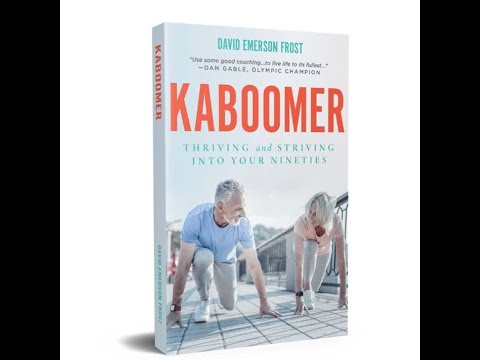
Kaboomer: Interview
Latest episodes
Key topics
Men don't have a motivation problem, they have a denial problem
A lot of men do not ignore their health because they are lazy. They ignore it because they still think decline is something that happens to other people, until the body finally forces the conversation. David can speak to that without theory or scolding, because he was active, accomplished, and still got hit with a serious coronary wake-up call in his seventies. This makes the episode useful for men who need a more honest conversation about pride, avoidance, and what it looks like to adapt before a crisis makes the choice for them.
Better health advice starts when we stop assuming people need a gym membership and a perfect routine
A lot of people tune out health advice because it assumes they have spare money, spare time, and a life built for optimization. David brings the conversation back to what is actually possible for ordinary people, showing how small, accessible habits can begin with something as simple as walking shoes, a towel, and a water bottle. His perspective makes this especially valuable for audiences who feel excluded by expensive wellness culture, because he is not selling an ideal lifestyle - he is showing how people can start where they are and still protect their health in meaningful ways.
Longevity means nothing if those added years become smaller and harder to live in
Most longevity conversations fixate on adding years, but far fewer ask what those years will actually feel like. David brings a more grounded perspective shaped by his own health wake-up call, arguing that living longer only matters if you still have the strength, energy, independence, and physical freedom to enjoy your life. This opens up a richer conversation about health span over lifespan and why the real goal is not simply to extend life, but to protect the parts of it people are most afraid to lose.
View all topics →
Latest video
Kaboomer: Interview
Latest episodes
Key topics
Men don't have a motivation problem, they have a denial problem
A lot of men do not ignore their health because they are lazy. They ignore it because they still think decline is something that happens to other people, until the body finally forces the conversation. David can speak to that without theory or scolding, because he was active, accomplished, and still got hit with a serious coronary wake-up call in his seventies. This makes the episode useful for men who need a more honest conversation about pride, avoidance, and what it looks like to adapt before a crisis makes the choice for them.
Better health advice starts when we stop assuming people need a gym membership and a perfect routine
A lot of people tune out health advice because it assumes they have spare money, spare time, and a life built for optimization. David brings the conversation back to what is actually possible for ordinary people, showing how small, accessible habits can begin with something as simple as walking shoes, a towel, and a water bottle. His perspective makes this especially valuable for audiences who feel excluded by expensive wellness culture, because he is not selling an ideal lifestyle - he is showing how people can start where they are and still protect their health in meaningful ways.
Longevity means nothing if those added years become smaller and harder to live in
Most longevity conversations fixate on adding years, but far fewer ask what those years will actually feel like. David brings a more grounded perspective shaped by his own health wake-up call, arguing that living longer only matters if you still have the strength, energy, independence, and physical freedom to enjoy your life. This opens up a richer conversation about health span over lifespan and why the real goal is not simply to extend life, but to protect the parts of it people are most afraid to lose.
View all topics →