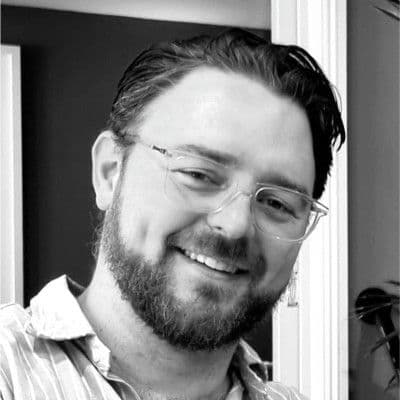
Dale Atkinson
Founder, Clear Signal Partners Helping healthcare businesses find and fix the trust failures that cost them patients.
Dale Atkinson Media Pics
Media coming soon.
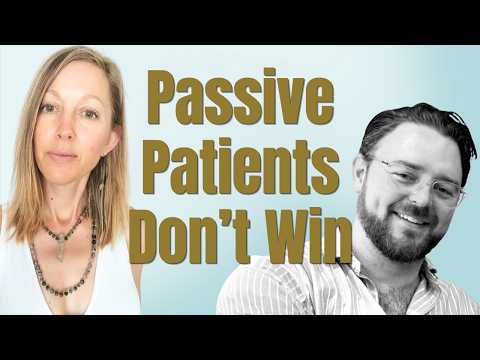
Latest episodes
Key topics
What spending nearly half a million pounds as a cancer patient taught me about healthcare communication
Most people who talk about patient experience are observing it from the provider side. Dale has lived it from the patient side – across multiple clinics, both NHS and private, over 18 months of active cancer treatment. He’s spent nearly half a million pounds on care the NHS doesn’t offer, navigated consent processes that didn’t reflect reality, received follow-ups that felt automated, and been handed information that assumed he wasn’t capable of understanding his own condition. That experience – combined with a career spent auditing regulated institutions – is what led him to build Clear Signal Partners. This isn’t theory; it’s pattern recognition from someone who’s been through the system with both the patient’s fear and the auditor’s eye. For healthcare providers and health-tech founders, this conversation makes the business case for patient trust by showing what the gap actually looks like from the other side of the desk.
The cancer system gives patients options but no framework for making sense of them
Personalised cancer care is increasingly framed around more tests, more treatments, and more data – but patients are often left to navigate fragmented information under enormous pressure, with limited guidance and almost no integration between conventional and complementary approaches. Dale is building Beyond the Standard, a charity alongside Jane McLelland (author of _How to Starve Cancer_), to advocate for systemic change: better access to evidence-led complementary treatments, routine genomic testing, and care models that treat the patient as a decision-maker rather than a passive recipient. He speaks about this not as a campaigner but as someone who commissioned his own genomic sequencing, built a daily protocol of 40+ supplements and repurposed pharmaceuticals, and writes about the evidence on The Life Organic. For integrative healthcare providers, healthcare leaders, and patient advocacy audiences, this opens a practical conversation about what patient-centred actually means when the stakes are life and death.
Health-tech is solving the wrong problem – and patients are paying for it
Healthcare organisations talk about patient-centred care while designing services, products, and communications around internal assumptions. The result is innovation that impresses stakeholders but misses the emotional and practical realities patients face when they’re frightened, overwhelmed, or comparing options. Dale is speaking at HIMSS Europe 2026 on exactly this: the layer that captures what the patient actually sees, feels, and decides is almost entirely absent from European healthcare systems. He combines enterprise risk thinking from nearly two decades in financial services with direct experience navigating advanced cancer care across both NHS and private systems. For digital health innovators and patient experience leaders, this is a conversation about whether your innovation is actually reducing friction for patients – or adding another layer of complexity that only makes sense from the boardroom.
View all topics →
Latest episodes
Key topics
What spending nearly half a million pounds as a cancer patient taught me about healthcare communication
Most people who talk about patient experience are observing it from the provider side. Dale has lived it from the patient side – across multiple clinics, both NHS and private, over 18 months of active cancer treatment. He’s spent nearly half a million pounds on care the NHS doesn’t offer, navigated consent processes that didn’t reflect reality, received follow-ups that felt automated, and been handed information that assumed he wasn’t capable of understanding his own condition. That experience – combined with a career spent auditing regulated institutions – is what led him to build Clear Signal Partners. This isn’t theory; it’s pattern recognition from someone who’s been through the system with both the patient’s fear and the auditor’s eye. For healthcare providers and health-tech founders, this conversation makes the business case for patient trust by showing what the gap actually looks like from the other side of the desk.
The cancer system gives patients options but no framework for making sense of them
Personalised cancer care is increasingly framed around more tests, more treatments, and more data – but patients are often left to navigate fragmented information under enormous pressure, with limited guidance and almost no integration between conventional and complementary approaches. Dale is building Beyond the Standard, a charity alongside Jane McLelland (author of _How to Starve Cancer_), to advocate for systemic change: better access to evidence-led complementary treatments, routine genomic testing, and care models that treat the patient as a decision-maker rather than a passive recipient. He speaks about this not as a campaigner but as someone who commissioned his own genomic sequencing, built a daily protocol of 40+ supplements and repurposed pharmaceuticals, and writes about the evidence on The Life Organic. For integrative healthcare providers, healthcare leaders, and patient advocacy audiences, this opens a practical conversation about what patient-centred actually means when the stakes are life and death.
Health-tech is solving the wrong problem – and patients are paying for it
Healthcare organisations talk about patient-centred care while designing services, products, and communications around internal assumptions. The result is innovation that impresses stakeholders but misses the emotional and practical realities patients face when they’re frightened, overwhelmed, or comparing options. Dale is speaking at HIMSS Europe 2026 on exactly this: the layer that captures what the patient actually sees, feels, and decides is almost entirely absent from European healthcare systems. He combines enterprise risk thinking from nearly two decades in financial services with direct experience navigating advanced cancer care across both NHS and private systems. For digital health innovators and patient experience leaders, this is a conversation about whether your innovation is actually reducing friction for patients – or adding another layer of complexity that only makes sense from the boardroom.
View all topics →