
Brian Baumal
Registered Psychotherapist Specialist in Weight Loss, Overcoming Deep Shame, CBT for Sustainable Behaviour Change, Food Addiction and Support for GLP-1's or Weight Loss Medications.
Brian Baumal Key Topics
Why some patients never lose weight even when they do everything right
Most weight loss conversations assume that if a patient follows the advice, the weight will eventually come off. But Brian sees a different reality in clinical practice, where food addiction, binge eating, perfectionism, and unresolved psychological drivers can make conventional advice ineffective, even for highly motivated people. This conversation helps physicians and healthcare professionals understand why repeated dieting often fails, how food addiction differs from other eating disorders, and why recognising the underlying mechanism changes the entire treatment approach.
Why diet culture needs you to believe urgency is discipline
Most people assume their weight struggles come from not acting fast enough, when in reality that urgency is learned. Brian unpacks how diet culture trains people to treat speed as virtue and delay as failure, which quietly keeps shame doing the heavy lifting. The insight lands when listeners see how slowing down isn’t “giving up,” but the first move toward a plan that doesn’t collapse at the first mistake.
The moment you mess up is when real change either starts or ends
Many listeners believe they fail because they’re not disciplined enough, when the real issue is that they treat mistakes as moral proof they’re “bad.” Brian connects the dots between that moral self-talk and the instinct to quit entirely, showing how perfectionism is really fear dressed up as standards. The episode reframes relapse as a skill gap, not a character flaw, and walks through how learning to recover is what actually keeps progress alive.
The happiest place on earth can still be miserable when you’re at war with yourself
Brian’s turning-point story (feeling deeply unhappy in a place designed to be joyful) captures a truth many listeners recognise but rarely say out loud: shame travels with you. From there, the conversation moves into what actually changes the trajectory-planning, pacing expectations, and rebuilding self-trust one repeatable choice at a time. This lands especially well on personal growth shows because it’s about identity, not food rules.
The scale isn’t a judge, it’s exposure therapy
For many, the number becomes a horror movie monster-so they either obsess over it or refuse to look at it at all. Brian reframes weigh-ins as exposure: a controlled way to stop running from reality so “panic decisions” don’t drive the next week of eating. The value to listeners is learning how to interact with the scale without worshipping it or fearing it.
You don’t need a new body to start living like someone you respect
A lot of weight loss content quietly teaches: “Once I’m smaller, then I’ll be confident, social, and happy.” Brian introduces a different sequence-finding sources of pride and aliveness during the process (the gym story is a perfect example), so weight isn’t the only scoreboard. This reframes “progress” into something you can access today, which makes the long game possible.
Weight stigma in healthcare pushes patients away long before it helps them
Many people living with obesity already expect every medical appointment to end with the same advice: lose weight. While well-intentioned, reducing every health concern to body weight can leave patients feeling dismissed, ashamed, and less likely to seek help in the future. Brian explores how healthcare professionals can discuss weight without reinforcing stigma, why empathy improves long-term engagement, and how understanding addictive eating behaviours creates far more productive conversations than repeating advice patients have already heard hundreds of times.
Why food addiction is not an eating disorder, and why getting it wrong can be dangerous
Low-carb and ketogenic communities are often very familiar with food addiction, cravings, and abstinence-based recovery, but the same tools that help one patient regain control can put another patient at serious risk. Brian can explain the clinical difference between food addiction and eating disorders by separating two questions: what drives food into someone’s mouth, and what happens once the food is swallowed. His perspective is unusually valuable because he works with both severe food addiction and life-threatening anorexic eating disorders, including cases where both patterns exist in the same person. This conversation would help listeners understand why accurate assessment matters before applying any diet, abstinence model, or recovery framework, especially in people whose relationship with food is already fragile.
Why planning when and where you eat matters more than planning what you eat
Most people hear “meal planning” and assume it means restriction, which is why they resist it or abandon it fast. Brian starts somewhere less threatening: mapping when and where eating actually happens-late meetings, hockey nights, couch-and-TV stress eating-so the week stops feeling chaotic and shame-driven. Once patterns are visible, change starts happening organically, because people can finally intervene in real moments instead of fighting themselves in theory.
GLP-1 medications are changing weight loss but they are not the whole solution
Drugs like Ozempic and other GLP-1 medications have transformed obesity treatment, yet many patients still relapse, struggle, or feel like failures when the medication doesn’t produce the results they expected. Brian explains why these medications should be viewed as one tool rather than a cure, how food addiction can continue even when appetite is suppressed, and why preparing patients for the psychological side of treatment is just as important as prescribing the medication itself. Listeners will gain a more balanced understanding of where GLP-1 therapies fit within sustainable, long-term weight management.
Latest episodes
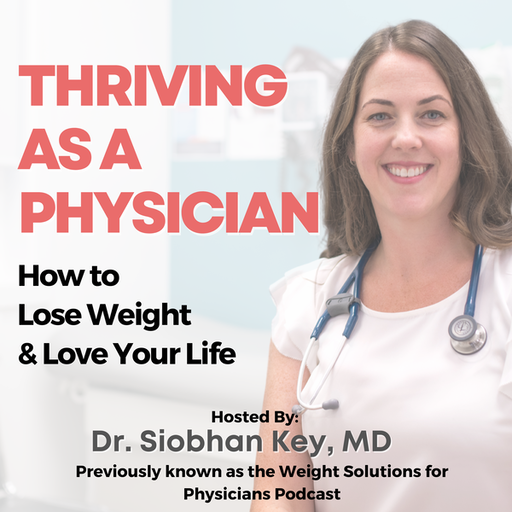
https://podcasts.apple.com/us/podcast/a-therapist-on-why-diets-keep-stalling-interview/id1449336543?i=1000774720682
Thriving As A Physician: How to Lose Weight & Love Your Life

The CBT Mindset HACK to Support Sustainable Weight Loss (& Why “More Discipline” Isn’t the Answer) with Brian Baumal
Bite Back with Abbey Sharp

182. Dismantling Diet Culture with Psychotherapist Brian Baumal
High on Life
Key topics
The scale isn’t a judge, it’s exposure therapy
For many, the number becomes a horror movie monster-so they either obsess over it or refuse to look at it at all. Brian reframes weigh-ins as exposure: a controlled way to stop running from reality so “panic decisions” don’t drive the next week of eating. The value to listeners is learning how to interact with the scale without worshipping it or fearing it.
Why diet culture needs you to believe urgency is discipline
Most people assume their weight struggles come from not acting fast enough, when in reality that urgency is learned. Brian unpacks how diet culture trains people to treat speed as virtue and delay as failure, which quietly keeps shame doing the heavy lifting. The insight lands when listeners see how slowing down isn’t “giving up,” but the first move toward a plan that doesn’t collapse at the first mistake.
The moment you mess up is when real change either starts or ends
Many listeners believe they fail because they’re not disciplined enough, when the real issue is that they treat mistakes as moral proof they’re “bad.” Brian connects the dots between that moral self-talk and the instinct to quit entirely, showing how perfectionism is really fear dressed up as standards. The episode reframes relapse as a skill gap, not a character flaw, and walks through how learning to recover is what actually keeps progress alive.
View all topics →
Latest episodes
https://podcasts.apple.com/us/podcast/a-therapist-on-why-diets-keep-stalling-interview/id1449336543?i=1000774720682
Thriving As A Physician: How to Lose Weight & Love Your Life
The CBT Mindset HACK to Support Sustainable Weight Loss (& Why “More Discipline” Isn’t the Answer) with Brian Baumal
Bite Back with Abbey Sharp
182. Dismantling Diet Culture with Psychotherapist Brian Baumal
High on Life
Key topics
The scale isn’t a judge, it’s exposure therapy
For many, the number becomes a horror movie monster-so they either obsess over it or refuse to look at it at all. Brian reframes weigh-ins as exposure: a controlled way to stop running from reality so “panic decisions” don’t drive the next week of eating. The value to listeners is learning how to interact with the scale without worshipping it or fearing it.
Why diet culture needs you to believe urgency is discipline
Most people assume their weight struggles come from not acting fast enough, when in reality that urgency is learned. Brian unpacks how diet culture trains people to treat speed as virtue and delay as failure, which quietly keeps shame doing the heavy lifting. The insight lands when listeners see how slowing down isn’t “giving up,” but the first move toward a plan that doesn’t collapse at the first mistake.
The moment you mess up is when real change either starts or ends
Many listeners believe they fail because they’re not disciplined enough, when the real issue is that they treat mistakes as moral proof they’re “bad.” Brian connects the dots between that moral self-talk and the instinct to quit entirely, showing how perfectionism is really fear dressed up as standards. The episode reframes relapse as a skill gap, not a character flaw, and walks through how learning to recover is what actually keeps progress alive.
View all topics →