About Andrew Sparks
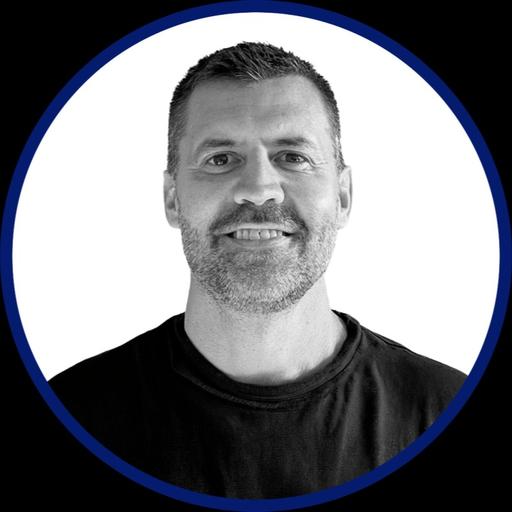
Founder of exyt™ Helping Owners Remove Themselves as the Operational Bottleneck
8 figures First enterprise, started aged 23$500M Revenue under advisory173+ Founders & owners helped in 12 months
Andrew Sparks didn’t come into business through a clean or linear path. He left school at 15, became a plumber, and spent years working hands-on before moving into business ownership. Along the way, he immersed himself in psychology and performance-focused training, driven by a desire to understand how people behave under pressure — and why effort alone so often fails to create lasting change.
As Andrew’s own company grew, it reached what he refers to as the second-stage squeeze. Revenue was coming in and the business was moving, but progress increasingly depended on him. Decisions, problem-solving, and momentum kept routing back to the founder — not because the team lacked capability, but because the business hadn’t been designed to operate any other way. There wasn’t a dramatic breaking point, just the steady pressure of long days, constant interruptions, and the realisation that growth was capped unless the structure changed.
That experience forced a rethink. Andrew began pulling apart how the business actually operated: where decisions lived, how leadership was structured, and why capable people still defaulted back to the founder. The work was practical and often uncomfortable, but it changed both how the company performed and what was possible for the person running it.