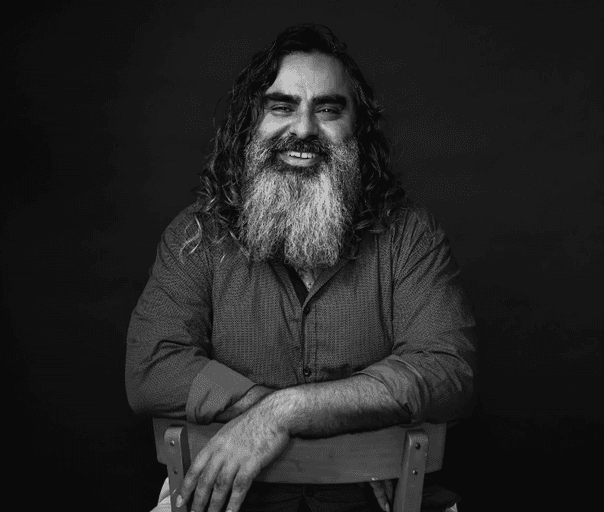
Amar Dhall
Psychotherapist and Leadership Researcher Focused on Nervous System Regulation Under Pressure
Sample Podcast Questions for Amar Dhall
- 1
When you first started working closely with people in high-responsibility roles, what did you notice about how pressure actually shows up in their bodies and behaviour, not just in their decisions?
- 2
Many leaders look highly capable on paper but feel stretched in practice. Can you describe a moment where someone realised the issue wasn’t skill or effort, but how they were carrying the load?
- 3
In organisations where one or two people quietly become the shock absorbers, what tends to happen to the rest of the system over time?
- 4
Why does self-awareness so often collapse under pressure, even for people who have done years of leadership or personal development work?
- 5
What’s the difference between a team that looks calm on the surface and one that is actually regulated underneath?
- 6
Culture often doesn’t fail through conflict, but through what never quite gets said. What do you notice in rooms where truth feels present but somehow unreachable?
- 7
Leadership development often focuses on thinking better under pressure. What have you learned about what really helps people stay coherent when the nervous system is already activated?
- 8
You’ve worked with leaders who pride themselves on reliability and endurance. When do those strengths quietly turn into over-functioning, and what does that cost the system?
- 9
When leaders stop acting as the nervous system of the organisation, what is the first thing that actually changes?
- 10
What do leaders often misinterpret as “losing control” when responsibility starts to spread rather than concentrate?
- 11
When pressure is no longer driving behaviour, what do people suddenly notice that they couldn’t see before?
- 12
What kinds of conversations become possible in teams once nervous systems are no longer guarding against threat?
- 13
How does leadership feel different when responsibility is shared rather than carried by a few individuals?
Latest episodes

Interview with Amar Dhall
The Personal Success Podcast with Ryan Watts

When Pressure Rises, Coherence is Leadership | Dr. Amar Dhall | Christopher Salem | Sustainable Success Show EP18
Sustainable Success
S11E16: Leading Under Pressure: How the Best Leaders Navigate Pressure for Themselves and Show Up for Others
The Rethink Leadership Podcast
Key topics
Why leadership development fails under pressure
Many leadership programmes work in calm conditions but collapse under real stress. Insight alone doesn’t survive load. Amar reframes development as training regulation, presence, and relational capacity under pressure - rather than adding more cognitive models to already overloaded leaders - so that judgment, choice, and decision-making remain available when it matters most.
Why psychosocial safety is a physiological issue, not a values statement
Psychosocial safety often erodes long before conflict appears. Stress states spread socially, shaping what can be said, challenged, or noticed - even in cultures that look “safe” on paper. Drawing on psychosocial risk frameworks and organisational diagnostics, Amar shows how safety is created or lost at the level of nervous systems, workload, and shared regulation, not slogans or stated values.
How high performers become the nervous system of the organisation
In many teams, one or two people unconsciously stabilise the entire system by over-functioning. Reliability and endurance are rewarded, and leaders become habitual fire-fighters - sacrificing the important on the altar of the critical. Over time, cultures come to depend on this pattern, narrowing attention to crisis management while eroding shared capacity. Amar explores how leaders can stop being the shock absorber and allow responsibility to spread, without disengaging, lowering standards, or abandoning care.
View all topics →
Latest episodes
Interview with Amar Dhall
The Personal Success Podcast with Ryan Watts
When Pressure Rises, Coherence is Leadership | Dr. Amar Dhall | Christopher Salem | Sustainable Success Show EP18
Sustainable Success
S11E16: Leading Under Pressure: How the Best Leaders Navigate Pressure for Themselves and Show Up for Others
The Rethink Leadership Podcast
Key topics
Why leadership development fails under pressure
Many leadership programmes work in calm conditions but collapse under real stress. Insight alone doesn’t survive load. Amar reframes development as training regulation, presence, and relational capacity under pressure - rather than adding more cognitive models to already overloaded leaders - so that judgment, choice, and decision-making remain available when it matters most.
Why psychosocial safety is a physiological issue, not a values statement
Psychosocial safety often erodes long before conflict appears. Stress states spread socially, shaping what can be said, challenged, or noticed - even in cultures that look “safe” on paper. Drawing on psychosocial risk frameworks and organisational diagnostics, Amar shows how safety is created or lost at the level of nervous systems, workload, and shared regulation, not slogans or stated values.
How high performers become the nervous system of the organisation
In many teams, one or two people unconsciously stabilise the entire system by over-functioning. Reliability and endurance are rewarded, and leaders become habitual fire-fighters - sacrificing the important on the altar of the critical. Over time, cultures come to depend on this pattern, narrowing attention to crisis management while eroding shared capacity. Amar explores how leaders can stop being the shock absorber and allow responsibility to spread, without disengaging, lowering standards, or abandoning care.
View all topics →