Roscoe: 12 hours living homeless in San Francisco. Talking with author Andrew Gregor.
Andrew James Gregor · June 26, 2026
Interview with Andrew James Gregor
Podcast: The San Francisco Experience
June 26, 2026 · 32 min
Andrew brings an architect, home builder's perspective and empathy to the issue of one man's struggle with being unsheltered on the Streets of San Francisco. Having experienced a brief brush with homelessness himself, he relates the story of Roscoe with credibility and…
Listen
About Andrew James Gregor
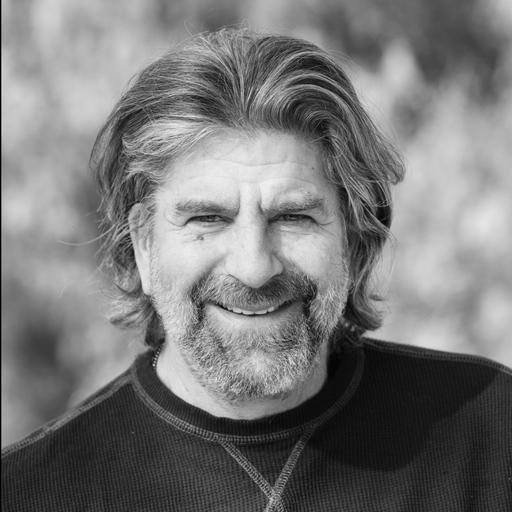
Novelist and Architect Examining Fear, Homelessness, and Social Breakdown
9 Industry awards75+ Bay Area projectsFeatured Journal of Light ConstructionGolden Quill Book Viral literary recognition
Andrew James Gregor is a novelist and essayist whose work sits at the intersection of power, fear, and the quiet systems that decide who gets to live securely and who does not. His writing is driven less by ideology than by proximity, shaped by having lived close to the edges of the stories he tells.
Raised in Beirut and later based in the United States, Andrew grew up with a front-row view of how conflict, propaganda, and identity can harden people against one another. That perspective sharpened during the rise of Islamophobic violence in America following the 2016 election, when fear was repeatedly misnamed as patriotism. His debut novel, written during that period and published years later, explores how paranoia and hatred corrode communities from the inside, often doing more damage than the threats they claim to resist.
His novel Roscoe has received multiple honours and strong critical recognition. Book Viral described it as “a remarkable work of literary fiction that deserves a wide readership” and named it an unreservedly recommended Golden Quill Read, awarding Andrew the Golden Quill. The novel also received a Gold Award from Literary Titan.
His more recent fiction turns toward homelessness and social collapse in San Francisco, a city defined by extreme wealth and extreme neglect.
About this episode
Andrew brings an architect, home builder's perspective and empathy to the issue of one man's struggle with being unsheltered on the Streets of San Francisco. Having experienced a brief brush with homelessness himself, he relates the story of Roscoe with credibility and sensitivity.
Guest: Andrew James Gregor
More from Andrew James Gregor
All episodes → Architecture, Design & PhotographyEp 132 - Reimagining Shelter: Systemic Design for Homelessness // Andrew J. GregorSep 2026Play episode →
 Mid-life Men: the mental health podcastCreativity Management with Claire GiovinoAug 2026Play episode →
 Thinking That Matters with Elizabeth MahusayWhat Curiosity Can Teach Us About the People We Overlook with Andrew James GregorJul 2026Play episode →
 Leadership Circle PodcastFollow Your Heart: The Presence Practice High-Resonance Visionaries Live By | Andrew James GregorJul 2026Play episode →
 Care More Be Better: A Podcast For Sustainable Social Impact and RegenerationPay Attention: Homelessness, Humanity, and What We Owe Each Other | Andrew J. Gregor, Author, RoscoeJun 2026Play episode →
Book Andrew James Gregor for your show
6+ podcast & stage appearances. Remote or in studio, broadcast-grade audio.