
October 10, 2026
S6 EP34: David's Story - A Serious Back Injury Changed My Life's Direction!
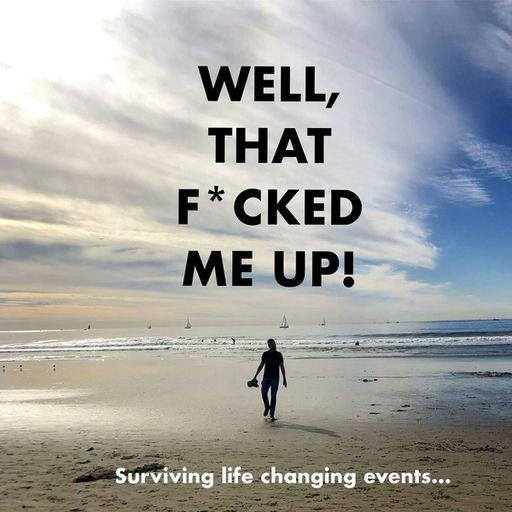
You can do all the right planning, but what you want to also be able to do is live for today at the same time.
In this episode
David Shepherd joins the podcast to talk about a serious back injury, the recovery that followed, and how it changed his approach to work, family, and money.
- A back injury at the gym and in rugby left him unable to move properly and led to surgery.
- Recovery brought a short period of relief before the disc problem returned and pain came back.
- The experience made him rethink constant work pressure and how much control his job had over his life.
- He now values having time for his children, exercising on his own terms, and choosing work that fits his life.
- Financial planning, for him, needs room for a guilt free fund so people can enjoy today as well as prepare for the future.
Transcript
Automatic captions of the conversation. They can contain errors and do not name who is speaking.
SPEAKER_00: Welcome to another episode of Well That Fucked Me Up. I am your host, Luke Hobson, and today we're joined by David Shepherd. Hi David. SPEAKER_01: Hi Luke. SPEAKER_00: How are you? I'm good. How's it going? Where are you calling us from? SPEAKER_01: I'm calling from Nutstream, so just outside of Manchester in England. Is that where you're from? Not too far from there. SPEAKER_00: Yeah, I hear it. I hear a slight twang in that accent. I'm a Londoner myself, so we bet not better not get into football teams.
SPEAKER_01: Yeah, well, I spent what 17 years in London, but I've still managed to not get rid of the accent. SPEAKER_00: Well, thanks so much for coming on to talk to us. Every week we have a guest who comes on and we talk about surviving life-changing events and experiences. That can be anything from something you went through as a kid, elder stuff when you were older, can be injuries, can be relationships, can be diagnosis, can be, you know, one-off freak accidents, but really anything that has kind of knocked us off the path that we were on.
And we like to talk about the journey through, how it affected us, how it changed us, and often sometimes it changed us for the better, even though we went through something horrific. So with that, David, where would you like to begin? SPEAKER_01: Oh, yeah, I suppose I can start to where my path was, and then what exactly happened. So I started my career in investment banking. So I did that type of head-down thing I wanted to be in the city. So ultimately moved down south, worked with Bank of America Merrill Lynch, was doing really well when it came to that.
Then progressed from there, and I took then a job at Barclays, and then thought I was doing all the right things, loads of golden carrots keeped on being dangled. That was uh during the long hours, the big shift. SPEAKER_00: I can imagine. Good money, though. SPEAKER_01: Good money, but constantly being dangled the thought if you could get more money, which was the big motivator at that point in time. Yeah, I suppose being a bit of the competitive person that I am, wanting to strive more and more, which that alone, I suppose, puts a bit of pressure on like you know, your relationships and other pieces.
But uh my out at that point in time was always going to the gym and playing rugby on a weekend. Um then ultimately what ended up happening to me was I injury my back, so I uh went and cracked my L4. So yeah, which was literally um one of those pieces where it started to cut the sarcastive. Um yeah, couldn't feel couldn't feel my legs. Um when all of the things that you think you want working as a guy, none of that was stuff was working. SPEAKER_00: So yeah, so it almost caused some sort of paralysis. SPEAKER_01: Well, literally, yeah.
There was um so what happens is with like your nervous system ultimately starts to cut your nerve. Um and imagine like a having uh like a dagger type of gradually cutting away. So I ended up going from thinking I was this fit, healthy, like competitive like person to basically uh as my friends called me, floor pie, which was very good, very nice of them. Um yeah, um, which was like I couldn't couldn't move, and the only option was ultimately to have surgery, um gosh, which um went from me being the fittest person in the world to the opposite of that.
SPEAKER_00: Yeah, that's horrendous. If you're already active and you need that as your kind of let to let off steam as well from your very stressful job, and then suddenly that's taken away from you. I can't imagine because it's not just the physical side of it, it really starts to fuck with your mental health, I'd imagine, as well, right? SPEAKER_01: Yeah, 100%. And thinking at that point of time, I was like, thinking I'm young, fit, healthy, um relationship-wise, I'd uh just got married. Um so um thinking, oh yeah, you're coming into this, and your wife's not thinking um sickness and in health, and you're instantly in that position.
Yeah, yeah. Um, and then the flip side to it as well. My wife probably saw a few signs because she's a consultant psychiatrist. Um, so she could see my like head going a bit further down when it came to that. Um, and yeah, and so then I ended up having one operation um where they like removed some of the disc off that, and for two weeks I was like, Oh my god, this is unreal. I'm feeling amazed right now. Oh, interesting. And then what happened was because they created a space in my back, that disc then over two weeks went back and back and back, and it went back again.
So then I went from this absolute euphoria to what the fuck is the sack of it? SPEAKER_00: It's back again. Yeah, yeah, yeah. Um then I ended up just to stop you for a second, sorry to interrupt. How did you do the injury in the first place? Was that playing rugby? SPEAKER_01: So a combination of me thinking I wanted to get ridiculously fit for my wedding, um, so doing a lot of crossfit to then um absolutely smashing it playing rugby, which the two of them combined and then ultimately ended up in what they thought was a small crack that I then overloaded through rugby, which uh resulted with that.
Yeah, yeah. It was um yeah, and then um ultimately what I ended up having to have is then emergency surgery. Um so when when you end up having surgery once, they can plan for it. The second time it's just reopening scar tissue the whole works. SPEAKER_00: So it wasn't no one wants really anything to do with back surgery because, of course, we're all so aware of like the relationship to the spine and you know uh things going wrong. I'm sure all of that stuff is going through your mind. SPEAKER_01: Well, yeah, but then it's weird because it it was in my mind, but actually, in my mind was I just wanted this to be sorted now.
To get that yeah, I it when you have um your sciatic nerve being cut, ultimately it has like different triggers. So for me, like some of the triggers was massive burning sensation in my feet. So it felt like uh all you can imagine is if you put your finger in like an electric socket and you get that pain, every so often you'd end up going bang, and then it's a sharp pain straight into that. And that's ultimately as it's cutting that like communication system. Yeah, and weirdly, even though there wasn't a burning sensation, you could then take your foot and put it into a cold bucket, and it triggered your brain to go, oh, we can cool it down, which was still to this day, it's like, yeah, yeah.
SPEAKER_00: That's crazy because all the brain is doing is sending you like safety messages, right? I I guess that's kind of what pain is, it's letting you know that something's not going not quite right. But that's wild that you can trick your brain and put your foot in cold, even though there's nothing burning, it's just your brain telling you it's burning in the first place. SPEAKER_01: Oh my god. So yeah, um, but then luckily, like so. I had that surgery, and compared to the first one, I came out, and I was like, Wow, I I can walk, but I'm feeling it now.
And weirdly, where I went from that euphoria, now it was like, okay, now we feel like on a bit of a road to recovery. And you can imagine going through all of that, what you ended up on is a lot of different pain medication. So um type I got there was type of two options. You can go, okay, we're gonna gradually bring you off all of this morphine in Tramadol, etc., or type of go go cold turkey for me because I've been on stuff so long, I was just like, right, I need to just rip the band-aid off and come off that. Um now for all for all of this.
Obviously, while that was going on, I also wasn't working at that point of time, which started to make me reflect a little bit about okay, where do you want to be in five, ten years' time? Which when you're like in your um at that point, I would have been in like my late 20s, you probably don't have that because when your foot's down on the gas, you're not really stopping to go, what do I want? Um which actually gave me that bit of a life reflection to go, right? If this is where I'm going, am I going to be able to be a family man?
Is that carrot going to be constantly being dangled and you you're working all the late hours, putting in all the stress, working with your team, and actually it's not going to come through. Um which then gave me a bit of a different perspective to try and sit back and go, what do I want? Um and then I started to go into okay, what do I like? So I was like, Well, very pretty good with numbers. Um, like to think from sport, work, I was good with people. How can I combine those so that I can still make money, but also have the type of life that I want.
Um, and from that, it gave me then an option to go, right? Okay, sit back. What can I do? So I went and started speaking to a few different people that were in different teams at Barclays, and then started looking beyond that and started looking and going, right, maybe financial advice wealth management's a route that I want to go down. Ultimately thinking in my head, right, I've got this type of tenacity that I want to drive and own my own business came through it. And then I ended up uh going back into work and looking at my team, and we were doing this uh project where we were starting to uh move it over to Ireland, so starting to uh basically make loads of people redundant, quite a lot of the jobs were going over to India.
So I was sat there on the other side of the table starting to make my team redundant. Wow. Then I saw this and went, This is just exactly where my head was at. Like these people have been working really hard, they've had that carrot dangled, now they're being told, look, there's not a place for you. That's crazy. So to the shock of HR, I then went in and was like, I know you're making the team redundant, I want that as well. Um which then gave me a bit of a springboard to go, right, go and put your big boy pants on and actually go out and do this yourself.
Um so went off, and um pretty much that then was the start of the journey to where I am now. SPEAKER_00: It's wild that, and and funnily enough, we spoke about this right at the very beginning. It's wild that something so horrific um, you know, at the time completely stops you in your tracks. But it's funny how that some might say needed to happen, because yeah, if it hadn't have you wouldn't, but you literally wouldn't be where you are now. You would be on a completely different path, and it might be a bad path. And so it's often when we have guests who come on, they've had this epiphany or this moment or this diagnosis or this operation, and that time they've had in their brains, that time they've had to themselves, has resulted in this pretty major life change for for the better, you know, which is crazy that you get motivation and clarity from something that's so horrendous.
SPEAKER_01: Yeah, which um yeah, and it is funny to now look and go look back, and I was I've got two kids now, and I can do the school drop off, and I'm still working crazy hours, but I work them because I want to, not that somebody's telling me to. So feel a lot more like your type of mastery of your own destiny when it comes to that. Like, I'm still always going to have that type of competitive nature built within me to be like, I want to drive, succeed, but like the great opportunity to be like, okay, I've got an 18-month-old, I can drop him off at nursery.
If I was in the investment bank, I was getting in there at seven. That wasn't going to yeah, that's horrendous. Yeah, yeah, but then also like the conversations that you have with people being able to relate into these situations where people have life-changing situations, yeah, you can come from it from an angle of we can work the maths really well, but I'm a true believer of you need to have an absolute guilt-free fuck it fund when it comes to it. So you can do all the right planning, yeah, but what you want to also be able to do is live for today at the same time.
So it's all about getting that right balance between you do the good stuff, but you also make sure that you're having a good journey through that ride at the same time. SPEAKER_00: I think people forget, don't they, that you have to enjoy the day. I I I got funny enough, I got a random text message, which was from us, I think it was from a spam, a spam spammer. And they try and get you on the hook, and then you they make you think that you'll you know them. And it literally just said, Good morning, Luke. Just a quick reminder to slow down, take some deep breaths, and enjoy the day ahead of you.
And I'm like, what the that what a random thing to spam somebody. And it literally, my phone was like, This is you don't know this person, this is from a spam caller. So and I was in the middle, yes, this is yesterday, I was in the middle of having like a full-blind panic attack about like finances and job and kids and and and and money and and the weekend ahead, and I've got too busy, and I just how that's so random, isn't it? But in that moment, I literally pulled the car over and I just took a deep breath and I just suddenly realized doesn't none of that matter, like everything will be everything will be okay, like it'll all figure itself out.
But if I'm if if I'm only thinking about tomorrow and I'm only thinking about the weekend, I'm only thinking about next March when I when I'm doing my tax returns, and if I'm only what that's my life's gonna just I'm just gonna be always looking in the rearview mirror and worrying about stuff, and I'm a a big worrier. And so it's just what you said then, it's just it's really, really true. It's like you've got to build for the future, but you also have to enjoy exactly where you are right now, you know. SPEAKER_01: Yeah, I mean and all that can come in so many different forms, right?
Like you might love holidays, some people love cars that actually it might just be you recognizing, hey, we've not done enough, let's call it date nights or something like that, when hey, we're gonna blow a little bit more money on this. It's just being able to have that stop pause and be able to go, these are the things that we want rather than being on, which I could see with my historic work. You're like on a hamster wheeled at treadmill, and you're going, it's gonna be all right, it's gonna be all right, it's gonna be all right.
Like I have loads of um very successful lawyers, and the big thing is they're pumping and pumping and pumping to want to be partners, but they're missing all of these things of like the kids growing up, and they're not going on the nice holidays, and then yeah, hopefully this doesn't happen to them, but then you hear of the one that got to 50, had a heart attack, didn't do anything, but now he's passing money on to maybe a child if they had one or some other family members. Why so yeah, yeah. SPEAKER_00: We've only got one shot, haven't we?
We've only got one life, got one shot. So it's hard to jug to juggle it, but I think these are wise words. Can we just quickly go back to this emergency operation that you mentioned and how that went and how what was that, how long was that recovery? And you took you mentioned weaning off. I I get interested in like weaning off opioids or painkillers and stuff, because my background is heavily in like drug addiction and and alcoholism. So it's like it's that's quite that's quite tough when you're in pain. You have to make that decision, and then mentally, how did you how was that recovery for you from that moment?
SPEAKER_01: Yeah, so I can it's it's weird when you you can I can still like if I think about it, still type of near enough picture myself in that place. So uh very much uh I went from being coloured to what I'd call grey. So I literally you can see like the that euphoric type of feeling just instantly going out of you. And for me, like I went, okay, I'm just going to be cold turkey. I'm I'm straight off this. And the sweat, yeah, the sweats, the cut, the feeling of hot and cold, like uh the sickness feeling was the biggest thing for me.
Yeah, which then I'm someone that um suffers from migraines at the best of times, and that was the thing that really hit me was I was coming off that, and I was like, oh, there were a few points where I was like, Oh, maybe, maybe I should just like have one or two more, do you know, like gradually bring it out. But then I was like, with my wife being a psychiatrist and being medical, like it was very much using her a bit of a crook to like lean on. So being like, Hey, so she was picking up on some of the signs where if you were someone that was completely on your own or what have you, it would be quite easy to go, look, no, I feel very reliant on this stuff now.
Um yeah, yeah, and you can like every so often you can still feel like there's that problem piece if you're like, Oh, if you feel a bit of a twinge in your back, you're like, Oh, well, those meds were really good for that, weren't they? SPEAKER_00: Yeah, of course. Yeah, it's tough, isn't it? And we've had many guests who've come on, and I'm always surprised because when I hit the when I hit mentally hit rock bottom, then I you know, for me it was drink, and that's just that it's the worst possible thing you can do, like the worst, because you get hooked on drinking and then you're doing it for all the wrong reasons, and then it doesn't even work after a while.
You're just like in a cycle. So so I'm always interested to hear people, some people turn to those kind of things, some people turn to like, oh, I'd have lost my mind and started gambling, and then I lost the house and the car, you know. Or people do wild, wild things when they're faced with massive trauma or change in their lives, you know. So you should be very proud of yourself that you knew what to do and you were able to get, you know, had the strength to get off that. SPEAKER_01: Yeah, I think I think there is a part of like for me, I get addicted to doing things.
So I know part of that the great thing for me was going, okay, now I've ripped the band-aid off when it comes to I'm going in this direction for work. My addiction then became on how can I be the best person I can be when it comes to this? So it was like sniffing every tree, sucking up every little bit of information, yeah. And I'm still very much that. Like, I'm like, okay, if I don't know that, I'll own it. That's I'll make sure I go out there and try and make sure I pull the information in whenever as and where I can.
SPEAKER_00: That's amazing. Yeah, and how long was that? How when did your back sort of when did you get to a point where you're like, hmm, maybe my back's maybe this is the end of the it's it's funny. SPEAKER_01: I actually uh what was it two years ago? I started to feel a little bit more of a twinge coming into it. That must be and I was like, Oh, we're going down. I ended up actually getting um steroid injections, but into my back again. Um so because I was at the point where I was like, I'm feeling like I'm I wanted to get back to full training.
So me doing something where I felt sport-wise was quite competitive. Um now for me at that point, I was still at where the challenge was to tie my shoes, which sounds ridiculous, but uh that bend in motion was the hardest thing. And then when you start to have kids and they get a bit older, you're trying to throw those up and they start to wear like a bag of potatoes, and then you're starting to go, oh you're feeling this. Um, and then I got a scan, and they're like, Oh, shocker. You're you shouldn't have anything that moves onto here, but we can see that we've ultimately bled some of this cartilage, and some of the cartilage is now slightly pushed onto this.
So we've got an option. We don't want to go and do any more surgery. You can either go in and they can do a like not a dissectomy, it's basically the drill through and they burn your nerve. So they were like, We could do that, we don't want to, or we could try these steroid injections. But the commitment that we need from you is that will numb that area massively. You need to just work out really, really hard pretty much. So uh I then went to have that, it completely numbed it, and then was like, right, okay, pretty much then have lived in the gym, and that's become a bit of an addiction in its own right.
So, yeah, wow now doing that thing. So it's not a bad thing, it's definitely been a better waistline now. SPEAKER_00: Yeah. When I when I finally got off the seven over seven years ago now, when I got off a got completely clean and sober, which is a miracle for me. Same. I got it. My you you if you have that mentality where you're go, go, go, or you overthink, or you're you know, hell bent on success or whatever. For me, I started um spinning, you know, Peloton. And I and I stuck with that, you know. It's for me, it's absolutely liberating.
I'll do three or four a week. I've got one in my bedroom, and it's where I go to just get my brain clear. It's the best 30 minutes of meditation I've ever had, and I'll try and beat my previous score. And I did this like nationwide online like race, which we have to do, like you have to you have to get your scores. They took an average of your you have to do 30 rides in 30 minutes. Days and it took an average of your score, and I came 10th in the USA. For the top score, that's how hard I ride. unknown: Right? SPEAKER_00: But I've got like a little plaque.
I'm like, oh look, I'm really good at this. And when I do like the live classes, I'm first, I'm first, I'm first. And that's just because so no no one will go, no one will go to like um spin class with me now. They're like, you ruin it for everybody. I'm like, great. So it's like I feel like I really, I really appreciate what you're saying about like, you know, get and then I and that now I do it more for fun because I'm like, I can't every time I get on the bike try and beat my my best because now it's becoming stressful.
So I just took my my foot off the gas with that, and now I ride three times a week and I don't try and do my best score. I just try and be, you know, um, I just try and concentrate and get into it, and it works as meditation for me. I love it, I really do, you know. Yeah, yeah. Physical exercise, good. And how's life today? How's life with you? SPEAKER_01: Uh well, life, yeah, good. So I uh originally set my practice down up down in London. Um lovely. Most of most of the clients down there um actually adapted after COVID to wanting um everything remotely.
Um just so I took that as an opportunity to then go, okay, we've kept a subsite down there. Um we then moved up to Cheshire, so brought the family up here. Um we've then expanded as a business. So we've got 20 employees that are sat here. We we manage what 600 families as a business. Um so yeah, it's been going from strength to strength with that view of how we position ourselves is it's all about we want to work with people for the long term. So compared to the big banks where people look at I'd like to think they shouldn't, but everyone gets looked at as a number.
Yeah, it's very much about yeah, getting to know people and going, look, like if it's not me, we're generating the other me's so that we've got this consistency of we listen, we're looking to work with you to achieve X goals when it comes to that. So, yeah, from a business point of view, it's been going very well. Sat in the office here. The advantage of that, the dog comes to work with me every day as well. So that's uh he loves it. Um yeah. SPEAKER_00: That's really great. Well, thank you, David, so much for coming on.
Um, is there any um links or anywhere you want to promote your business or anywhere we can find you? If so, we're gonna put some links on the show notes. SPEAKER_01: Yeah, so um I've got a podcast myself, which is called the Six Minute Partner Podcast. That podcast is geared towards like successful city professionals, don't have the time to be able to take out to go what is financial advice all about. So it's split into six minute segments. Originally started off with lawyers because that's how they build in six-minute slots, but now we progress that out to like a wider audience.
So yeah, if people want to check that out, subscribe and listen along for some hopefully good financial education and tips. SPEAKER_00: Amazing. And we'll make sure the link is on the show notes. So go to the show notes if you are listening and you will find that podcast information there. I'd say I'd like to love to come on your podcast, but it's not for me. I don't know anything about lawyers or financial anything, quite frankly. So um, but thank you for sharing. SPEAKER_01: Well, if this keeps on doing well, then maybe we can uh have a conversation about your wealth as well.
SPEAKER_00: Uh maybe I should sign up after all. David and Shepard, thank you so much for coming on and uh stay in touch. Cheers. Thanks, Luke.
About David Shepherd
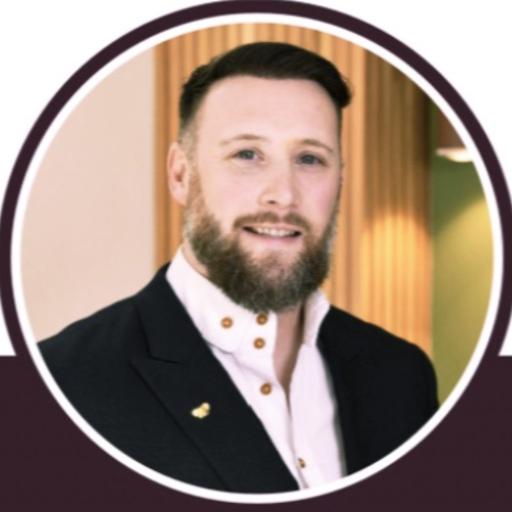
Managing Partner – Business owner, Kingsford Wealth Management | Host, The 6 Minute Partner Podcast for Lawyers
17+ Years in financial services4 Major financial institutions in his career backgroundDipPFS Diploma-qualified Personal Finance Society member£50M+ Client business exits advised
David Shepherd helps high-earning professionals make sense of financial planning when their work, family life, and lack of time make long-term decisions easy to defer. His perspective comes from both sides of the financial world: the technical, markets-driven environment of investment banking, and the more personal, long-range work of financial advice.
David began his career in investment banking, working with organisations including Santander, Bank of America Merrill Lynch, and Barclays. He was drawn to the numbers, but over time realised that the work he valued most was not just analysing markets or managing financial detail. It was helping people make clearer decisions about their future. David transitioned into financial advice after reassessing his career direction and retraining through the Chartered Insurance Institute exams. He went on to build his expertise in financial planning and now works with successful individuals, professionals and business owners on building and managing their wealth.
Today, David works with professionals who are intelligent, ambitious, and often time-poor. He has a particular focus on lawyers and city professionals, along with successful business owners and people who have exited multi-million-pound businesses. A recurring theme in his work is that capable people can still neglect their own planning because they are busy solving complex problems for everyone else.