Wellness
Why Willpower Struggles to Change the Beliefs That Run Your Life
PSYCH-K instructor Rosemarie Pletzer explains how subconscious beliefs shape everyday experience, and why changing them at that level makes lasting change feel natural.
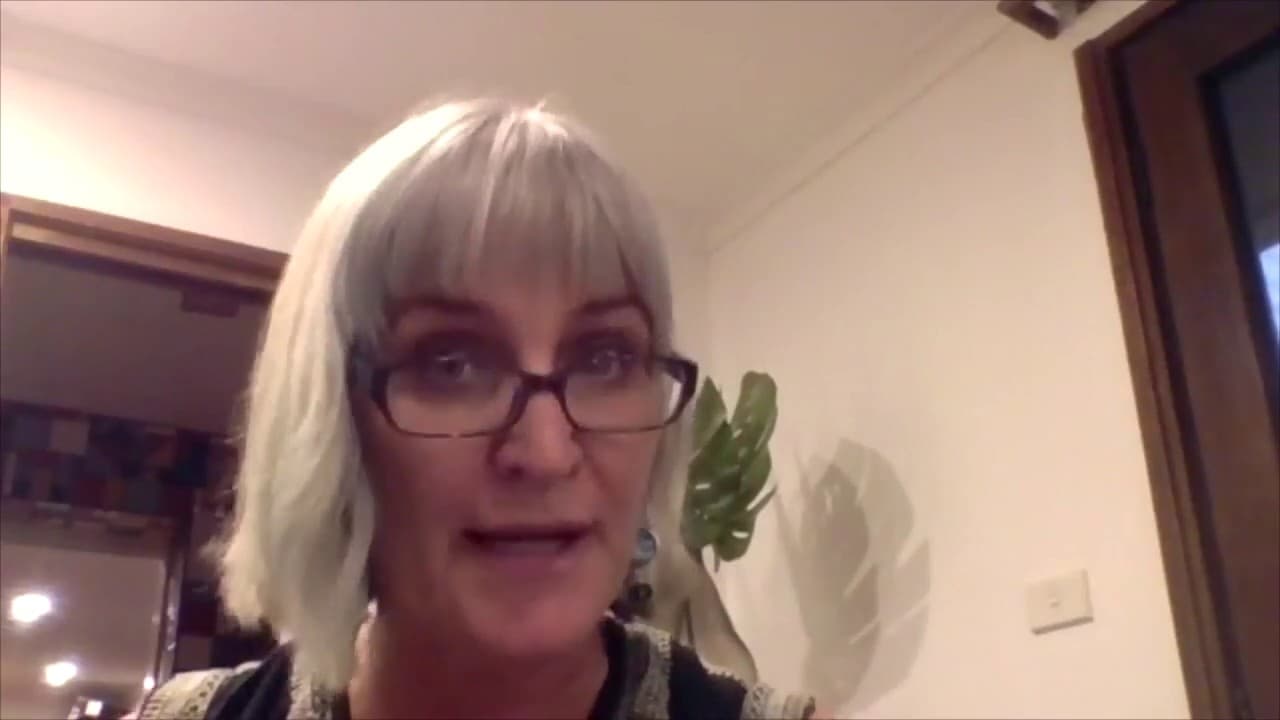
Psych-K - A dialogue with Rosi Plezter
Video from Alex McDonald.
Generated from the canonical interview transcript and validated against source data by Guests on Air.
Why is it so hard to change a habit with willpower alone?
Willpower struggles because most habits are driven by subconscious beliefs, many formed in early childhood or through repetition. According to PSYCH-K instructor Rosemarie Pletzer, the conscious mind is far slower than the habitual subconscious mind, so overriding it takes enormous effort. Changing the underlying belief removes that resistance, though a conscious action step is still needed to carry the change forward.
Most people who try to change a habit start with willpower. They set a goal, repeat an affirmation and push hard, only to slip back into the old pattern a few weeks later. Rosemarie Pletzer, a PSYCH-K instructor based in Australia, says the reason is simple: the beliefs driving that pattern live in the subconscious mind, not the conscious one.
In a conversation with host Alex McDonald, Pletzer described how beliefs form, why they are so hard to shift with effort alone, and what changed for her once she began working at the subconscious level. She first came to PSYCH-K after a painful relationship ended and she decided she needed to start helping herself.
Her message is practical rather than mystical. Beliefs, she says, affect biology and perception, which means they shape how each person experiences the same situation. Change the belief, and the experience changes with it, although she is clear that people still need to take conscious action afterwards.
Key takeaways
- Subconscious beliefs shape how people perceive events, which is why five people can describe one situation five different ways.
- Many core beliefs are absorbed in the first seven years of life, before people can question what they are told.
- Willpower struggles because the conscious mind is far slower than the habitual subconscious mind it is trying to override.
- Changing a belief removes resistance, but Pletzer says lasting change still needs a clear conscious action step.
1. Where limiting beliefs come from
Pletzer says people often ask her how they came to hold their beliefs in the first place. Her answer starts early. Children take in a huge amount of information in their first seven years, in a brain state she compares to hypnosis, because they need to learn quickly in order to grow, fit in and be accepted by the people they depend on.
That fast learning is necessary, but it comes without a conscious filter. Children rarely question what they are told is real, and they add their own perception on top of what parents and caregivers present. The result, she explains, is a set of beliefs that can quietly govern much of a person's adult life without ever being examined.
Repetition is the second route. Pletzer uses learning to drive as an example: clumsy at first, then automatic. The subconscious mind is a habitual mind, she says, and it stores most of our beliefs. That is useful for breathing or driving home on autopilot, but it also means old patterns keep running whether or not they still serve us.
2. Why willpower alone keeps falling short
Pletzer describes the conscious mind as the part that plans the future and judges the past. It sets goals and reviews how things turned out, but it spends little time in the present moment. Meanwhile the subconscious mind runs the show, rolling out familiar habits without judging whether they are helpful or harmful.
This mismatch explains why change can feel like a battle. She points to the gap in processing speed between the two levels of mind, with the subconscious handling vastly more information. Trying to override such a powerful habitual system with limited conscious effort, she says, takes an awful lot of willpower, which is why people slip back into old loops.

Pletzer speaks from experience. She tried affirmations and other conscious approaches before finding PSYCH-K, and she does not dismiss them. Repetition and affirmations can work, she says, but they need to be repeated until they become the new familiar, and that takes a level of commitment and willpower many people struggle to sustain.
3. What changes when the belief changes
PSYCH-K uses muscle testing as a communication tool to find out what a person believes at the subconscious level, Pletzer explains, and the K stands for the key to your psyche. She values its permission and commitment protocol and the fact that it is a do with process, so people learn to make changes themselves rather than relying on a facilitator.
Her own results show up most clearly in what she no longer does. She used to fear spiders and now calmly carries them outside. She once smoked and says she can no longer connect with the person she was then. Most of all, a noisy, critical inner voice has been replaced by a quiet sense that something has her back.
Even so, she insists it is not like waving a magic wand. When she quit smoking during a health and wellness workshop, the belief change removed the resistance, but she still had to toss the cigarettes and replace the urge with a glass of water. Conscious action, she says, is the launchpad that carries the change forward.