Youth Development
Why Teens Build Resilience Faster Through Movement Than Talk
A psychologist and former kickboxing champion explains why quiet, disengaged teenagers often respond to movement long before they respond to words.
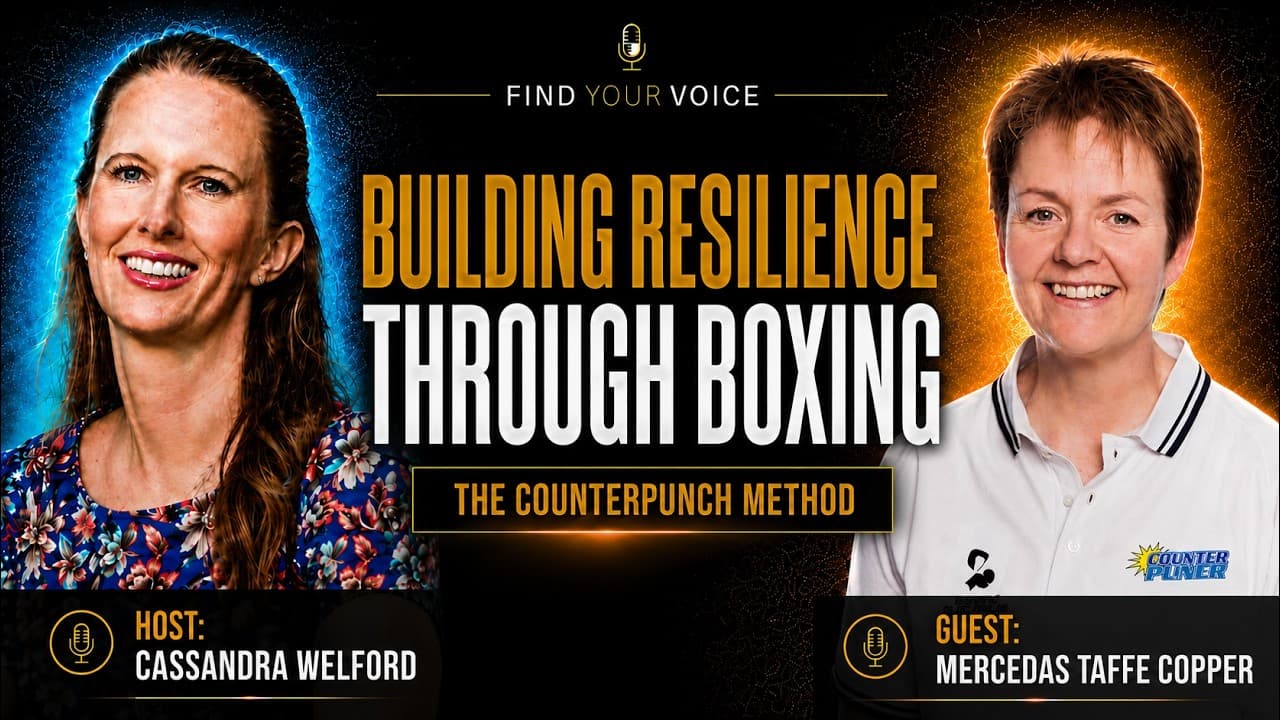
Building Resilience Through Boxing | The Counterpunch Method with Mercedas Taaffe Cooper
Video from Podcast Guesting Pro.
Generated from the canonical interview transcript and validated against source data by Guests on Air.
How can boxing help teenagers build resilience?
Boxing can build resilience in teenagers because it gives them a physical, structured way to practise emotional regulation, confidence and connection. Mercedas Taaffe-Cooper pairs clinical psychology, sport science and coaching so that young people meet their need to belong and their need to achieve through training, peer mentors and clear goals, rather than through conversation alone.
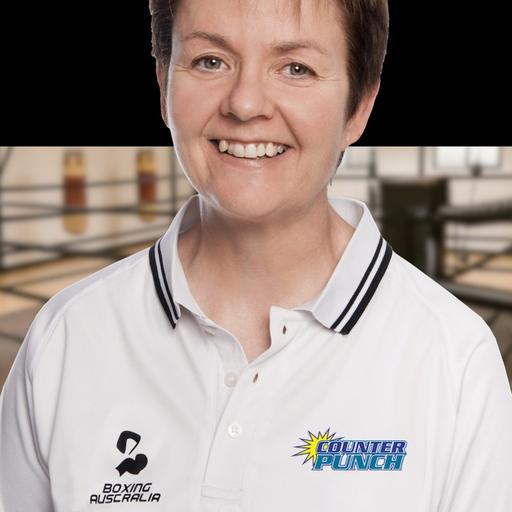
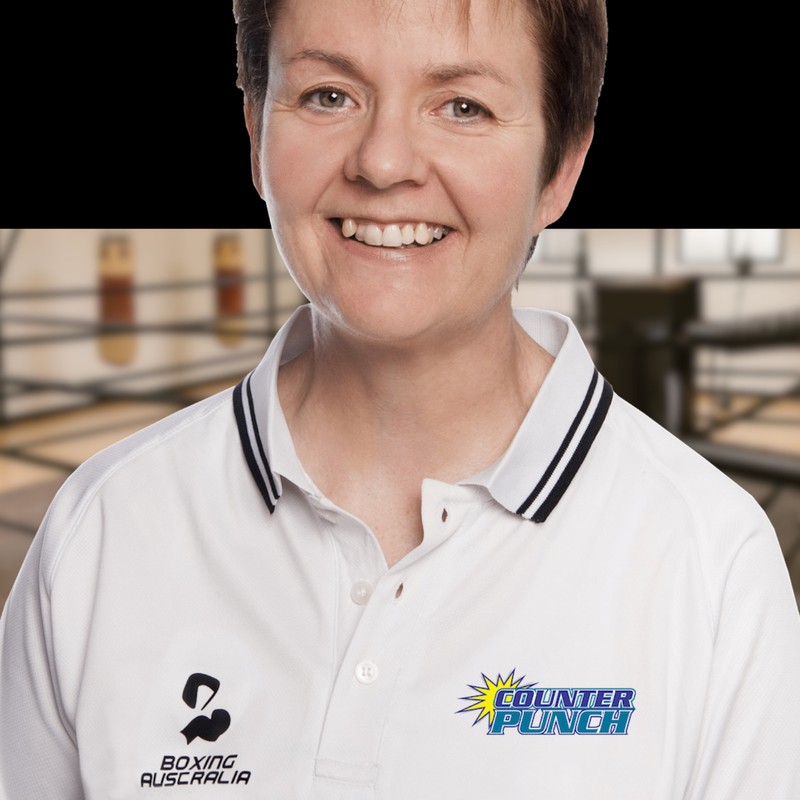
Many parents of teenagers know the quiet at the dinner table: the child who is not in trouble, not asking for help, and not really engaged either. Mercedas Taaffe-Cooper, a registered psychologist, former world and European kickboxing champion and founder of CounterPunch, argues that these quiet teens are the ones most programs miss, and that movement is often the way to reach them.
Speaking on Find Your Voice with Cassie Welford, she explained how a boxing-based resilience program grew out of her clinical work and a master's research project in Tasmania. When she added a simple punch-and-breathe exercise to a classroom program, eleven and twelve year olds told her it was one of the most powerful parts of the whole experience.
Her conclusion is direct. Talk therapy, she says, often struggles to reach adolescents, while moving does. This article sets out why, what a structured program built on boxing teaches young people, and why she now wants coaches, gym owners and entrepreneurs who work with young people to run it in their own communities.
Key takeaways
- Teens who are quietly disengaged, rather than in crisis, are often the ones who slip through the cracks of existing services.
- Movement reaches many adolescents faster than talk therapy, because young people respond better when they are doing something.
- Belonging and a sense of achievement drive teenage behaviour, and a long program with peer mentors meets both needs.
- Focusing on what young people can create, rather than on what needs fixing, points their attention toward growth.
1. Why the quiet teens get missed
Mercedas Taaffe-Cooper's first funding came from suicide prevention work in the Northern Territory. Working in clinical psychology, she saw that young people with serious problems, including those drifting toward crime, tend to have a range of services built around them. The group that worried her more was the one that rarely shows up in any system at all.
She describes them as the teenagers a teacher might notice leaning back in their chair at the back of the classroom. They are not causing trouble, but they are not engaged either, and they slip through the cracks. By the time their struggles become visible, they may have reached a diagnosis or a crisis that earlier support could have headed off.
That is why she insists CounterPunch is an education model, not a treatment for children labelled at risk. In her view every young person has their own pathway through adolescence, so the aim is to teach life skills early, to regular kids, before problems harden. No diagnosis is needed to join, and nobody has to want to become a boxer.
2. Why movement works when words stall
Her master's research in clinical psychology gave her the first clue. She brought a physical component into a classroom program, asking students to stand up and punch while they breathed. The response from the eleven and twelve year olds surprised her, because that simple exercise turned out to be one of the most valued elements of the program.
After years in private practice, she concluded that talk therapy often does not work well with adolescents, while moving does. Boxing adds coordination and coupling movements that she says have a powerful neurological effect, and it gives a group of teenagers something to do side by side. Combined with psychology tools and a clear curriculum, the sport becomes a vehicle for teaching resilience and belonging.
She also questions the traditional medical model, which is built around fixing people. When adults concentrate on what is broken, young people learn to concentrate on it too. Instead she wants teenagers to lock their attention onto what they are capable of and what they can create, so that their brains keep seeking out progress rather than problems.
3. Belonging, mentors and a program built to last
For parents wary of combat sport, she offers a different picture. Some of the most humble and gentle people she has met are boxers, and she has never seen a bout end without the two competitors showing each other respect. Inside the gym, teens who feel they must play a part at school or in team sports can simply be themselves.
She sees two needs driving adolescent behaviour: the need to connect and belong, and the need for purpose and achievement. CounterPunch meets them with a long pathway for young people aged 9 to 19, usually for at least two years. Graduates can compete, then become shadow mentors, mentors and facilitators, and her own offsider came through that route to lead sessions at 21.
After ten years of testing the curriculum, with around half a dozen facilitators already running it at other gyms, she has moved facilitator training online. She is now looking for sporting clubs, youth agencies, gym owners and entrepreneurs who work with young people, because she believes a program people can make a living from is the kind that lasts.