Personal Development
Why Small Daily Steps Build the Discipline Big Goals Need
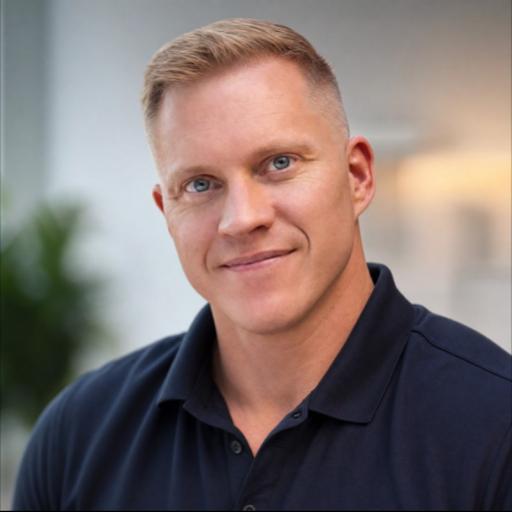
Competitive bodybuilder and podcast guesting specialist Joe Cramond explains how simple habits, discomfort and structure turned an anxious teenager into a national competitor.
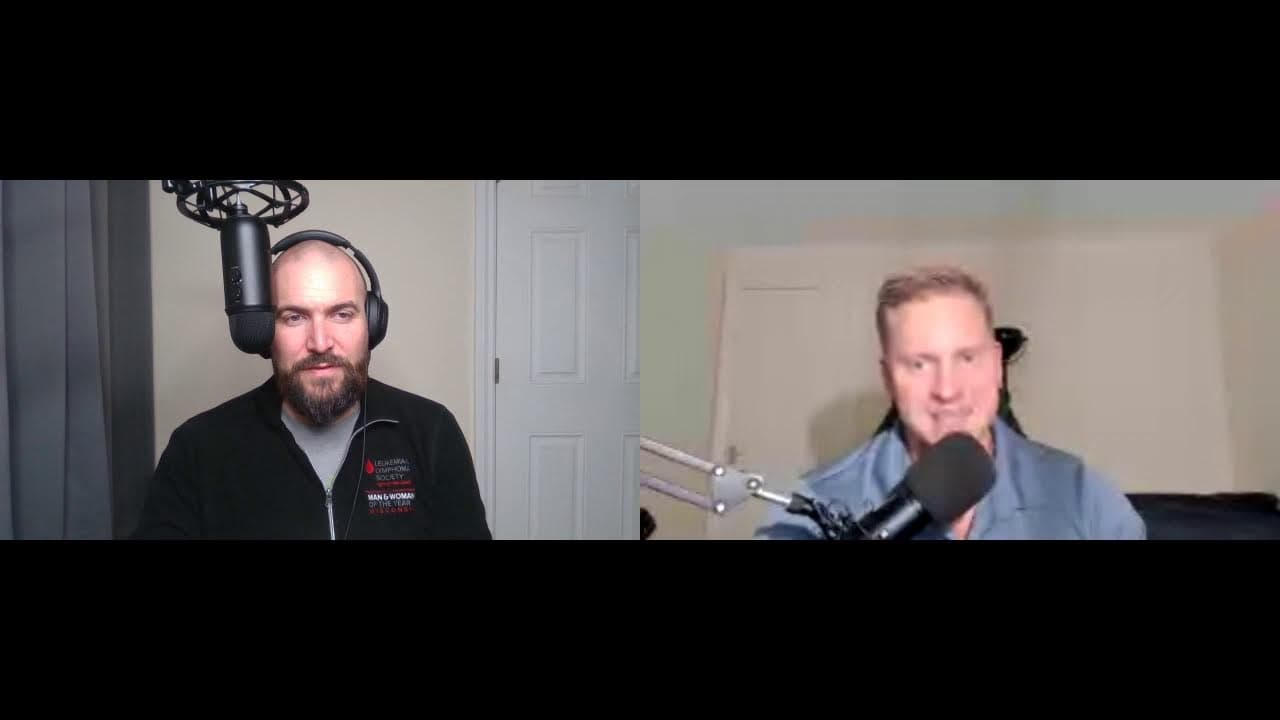
Developing A Practice Mindset: Getting Out of Your Comfort Zone and Joining the Top 1%
Video from Resistingbeta.
Generated from the canonical interview transcript and validated against source data by Guests on Air.
How do you build discipline when you feel stuck?
Start smaller than feels impressive. Joe Cramond argues that discipline grows from simple repeated actions, such as getting out of bed, making a better morning, training early and preparing food ahead. Each small step builds momentum, and over time those steps compound into bigger results, provided you keep choosing the uncomfortable action instead of waiting for motivation.
Joe Cramond did not start out confident. Growing up with a mother who struggled with alcoholism and a father who was 59 when he was born, he describes himself as one of the quiet kids at school, carrying anxiety around other people. A job in a gym at 17 changed the direction of his life and shaped how he thinks about discipline.
Speaking on the Resisting Beta podcast with host Andrew Bonds, he explained how training five days a week and sticking to a solid structure gave him the confidence he had been missing. His first competition came at 19, when he placed second in the junior Nationals, and he went on to compete in regional and national shows across the UK.
His message was not really about building a stage physique. It was about how anyone who feels stuck can use the same principles in business, relationships and health: take small steps, accept discomfort as the price of growth and put enough structure in place that progress keeps happening on days when motivation is missing.
Key takeaways
- Discipline starts with simple actions, such as getting out of bed and making a better morning, not a perfect routine.
- Feeling uncomfortable is part of growth, so step outside your comfort zone on purpose.
- Training first thing in the morning and preparing meals ahead removes excuses from the rest of the day.
- Writing down where you want to be in one year gives small daily steps a clear direction.
1. Small steps beat a perfect plan
When Andrew Bonds asked what advice he would give a man who feels stuck, Joe did not reach for a complicated programme. He pointed to the simplest actions available: getting out of bed, making a better morning and getting through the gym door even when nerves say otherwise. A fully structured routine can come later, he said, once those first steps are in place.
He was frank about why the gym feels intimidating to beginners. People worry about being watched, yet almost everyone there is chasing the same goal of getting fitter or putting on size. In his view, the effort of showing up matters more than the weight on the bar, and staying physically active also protects mental health.
His homework for listeners was just as simple. Write down in a journal where you want to be one year from now, keep your living space in order and get outside for a walk each day. Done every day for a week, he said, those steps leave you feeling better and then compound from there.
2. Why discomfort is part of growth
Asked how he handled fear of judgement and imposter syndrome, Joe was direct: you have to take yourself out of your comfort zone. He believes that feeling not quite good enough is often what supplies the motivation to become good enough, and that never challenging yourself leaves very little room to grow.
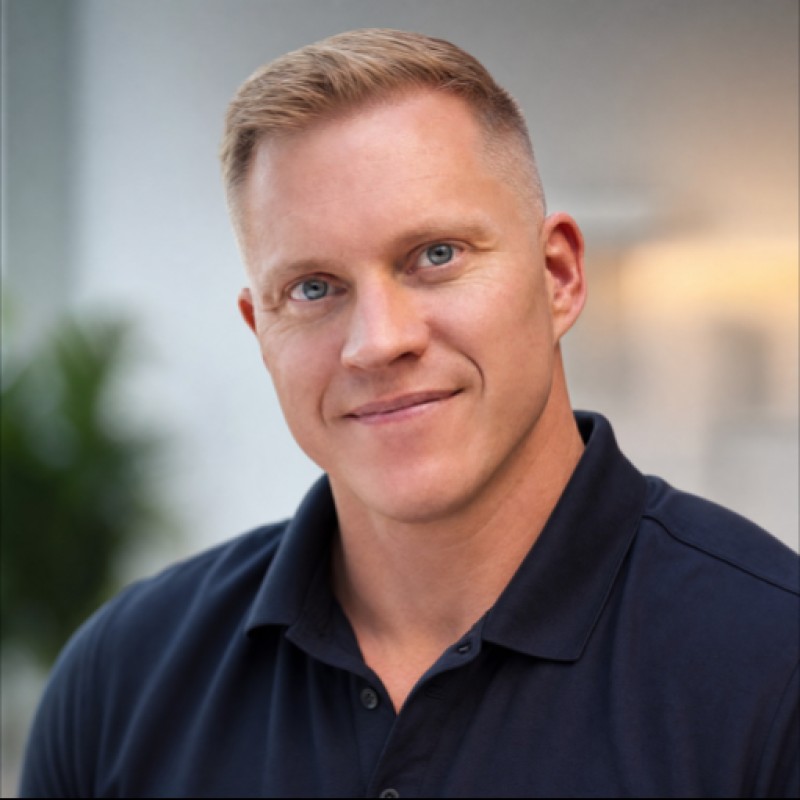
Competitive bodybuilding tested that belief. Being judged by a panel and watched by an audience means every small flaw is exposed, and he admits the lifestyle is stressful rather than healthy. He also acknowledged the cost, saying his total focus on the sport made him selfish and contributed to the end of a relationship.
That honesty shapes his advice. Progress demands sacrifice, he said, but it also means protecting the people closest to you, because losing their support makes everything harder. Anyone who takes the first uncomfortable step and keeps going has already done more than most people, even without reaching the very top level.
3. Turning structure into results in business
Joe keeps his daily structure deliberately plain. He prefers to train first thing in the morning on an empty stomach, so the hardest task is finished before the day fills up, and he warns against snoozing after waking. His meals centre on high protein, complex carbohydrates, beef, chicken, whole grain rice and eggs, with bread and sugar avoided.
Preparation does much of the work. He cooks most of his own meals, uses an air fryer to keep cooking simple and suggests spending a Sunday evening preparing food for the week ahead. Takeaways feel convenient, he argues, but cost more, and treating the body like a high performance car means choosing clean fuel.
Those habits carried straight into his career. Needing to earn back the cost of competing and attract sponsorship, he learned social media marketing and built his own website, then began helping small local businesses find customers. That led to his own agency and, eventually, to helping business owners and entrepreneurs speak on podcasts to win more business.