Skincare
Why lasting skin results come from gentle, progressive treatments
Skin specialist Lisa Harris explains why she plans a course of gentle, layered treatments over several months instead of chasing one aggressive session for a quick result.
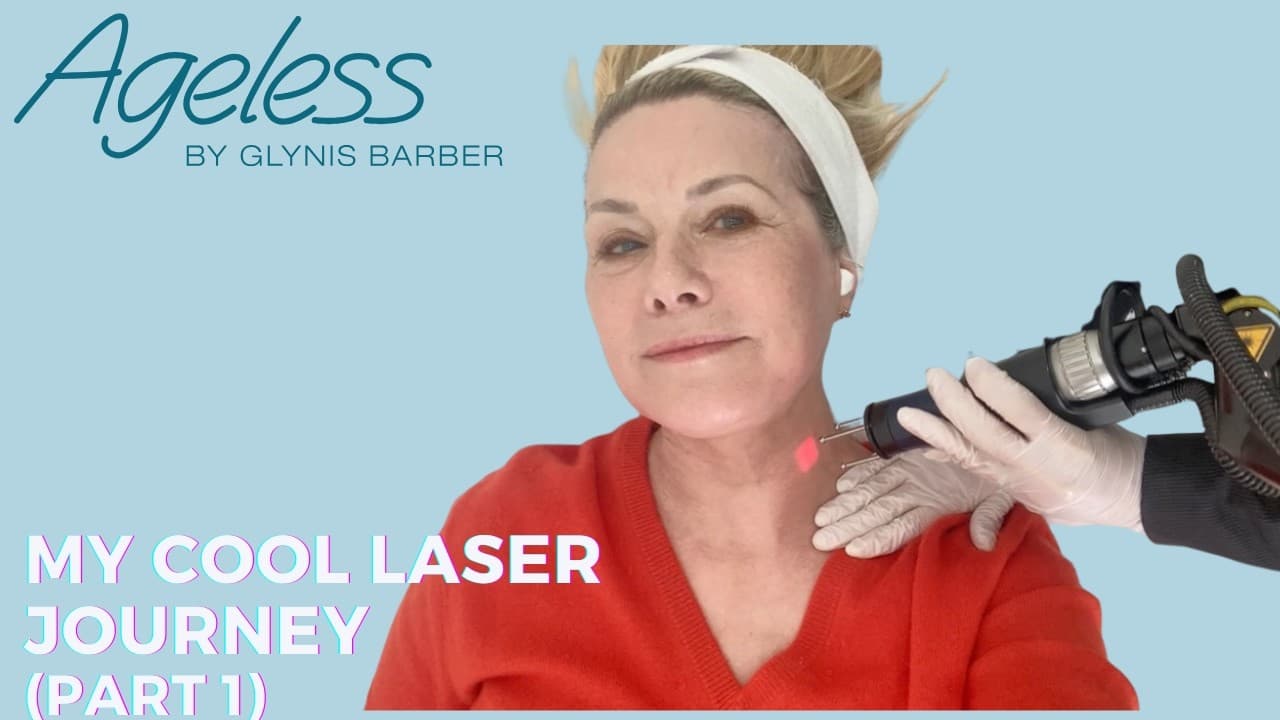
My Cool Laser journey (Part 1)
Video from Ageless by Glynis Barber.
Generated from the canonical interview transcript and validated against source data by Guests on Air.
How long does a gentle laser skin treatment take to show results?
Lisa Harris says skin treatments are progressive, so one session is only a start. She suggests a course of about three treatments, roughly a month apart, and says the full effect usually takes about three months to show as new collagen builds. Older skin may need three or four sessions, followed by around two maintenance treatments a year.
Many people expect a single skin treatment to deliver a visible change overnight. Skin specialist Lisa Harris, who runs a clinic in Weybridge, Surrey, takes a slower view. On an episode of Ageless by Glynis Barber, she walked through a cool laser and radio frequency session and explained why gentle, repeated treatments tend to give longer lasting results than one aggressive session.
The session focused on the eye area, but Lisa Harris treated the whole face so the result would look even rather than leave a visible contrast. She described the laser pass as a very light dusting, enough to prompt the skin to regenerate collagen without the pain many people link with laser work. Glynis Barber, trying a laser for the first time, said she now prefers gentler treatments.
What stood out was the planning behind the session rather than the device itself. Lisa Harris set out a course of treatments, a realistic timeline for results, a plan for older skin and a routine for maintenance. Her message for anyone weighing up skin treatments is simple: respect how skin heals, layer the right approaches and give the process enough time to work.
Key takeaways
- Lisa Harris treats skin results as progressive, planning a course of about three sessions rather than one big treatment.
- She expects the full effect of a collagen treatment to take about three months to show in the skin.
- Layering radio frequency, a light laser pass and serums is how she improves results without being aggressive.
- Older skin may need three or four sessions, then about two maintenance treatments a year to hold the results.
1. Gentle treatments can still change the skin
Lisa Harris describes the skin as an ecosystem with its own intelligence. In her view, a treatment should respect every layer of that system rather than force a reaction from it. That belief shapes how she uses a laser. Instead of a heavy pass, she uses a very light dusting, which she says is enough to regenerate and kickstart collagen.
The laser creates microscopic channels in the skin, which she compares to a dermal roller that uses energy instead of needles. The point is to help the body heal itself and make more collagen and elastin. Glynis Barber had always assumed laser work would be painful, and after a test pass on her neck she described the feeling as a little heat.
Lisa Harris told her plainly that she does not like to do aggressive treatments. Glynis Barber said she had reached the same view on her own, explaining that her body does not like needles or aggressive treatments in her face. The exchange shows how a gentler approach can make a first treatment feel manageable for someone who has avoided lasers until now.
2. Why one session is never the whole plan
When Glynis Barber asked how many sessions she would need for a lasting result, Lisa Harris answered that all treatments are progressive. She suggested about three treatments, roughly a month apart, and explained that the skin should be fully healed before each new session. Each visit then builds on the newer collagen already formed by the one before it.
Timing matters as much as the number of sessions. Lisa Harris said treatments usually take about three months for the full effect to show, because that is how long new collagen takes to build. She added that the older a person is, the longer the process takes, which is why patience is part of the treatment plan from the very first visit.
Results also need upkeep. Lisa Harris recommends around two maintenance treatments a year, spaced four to six months apart. She compared it to going to the gym: once the results are there, they cannot simply be left alone. She also pointed to the work people can do at home, including facial exercise, supplements and support for collagen from within.
3. Layering treatments to support healing
The session combined several steps. Lisa Harris started with radio frequency, which she explained sends a signal to the skin to produce collagen and works at a cellular level. The laser followed, working more on the surface of the skin. She described the combination as layering different technologies to improve how well the treatment works overall.
After the laser, she applied exosomes and polynucleotides as a serum while the micro channels were still open. Lisa Harris said these help the skin cells heal and speed up recovery, and that they can also reach pigmentation in the lower layers of the skin. Hyaluronic acid went on last and stayed on overnight so the products could keep working together.
Asked whether older skin responds as well, Lisa Harris said the treatment works the same way, though an older client may need three or four sessions where someone in their twenties or thirties may need one or two. The morning after, Glynis Barber showed no redness or swelling and expected her second session to go a little stronger.