Wellness
Why both parents should prepare for birth before the big day
She Births founder Nadine Richardson, an obstetrician and a new mother talk through what birth preparation changes for women and partners on the day.
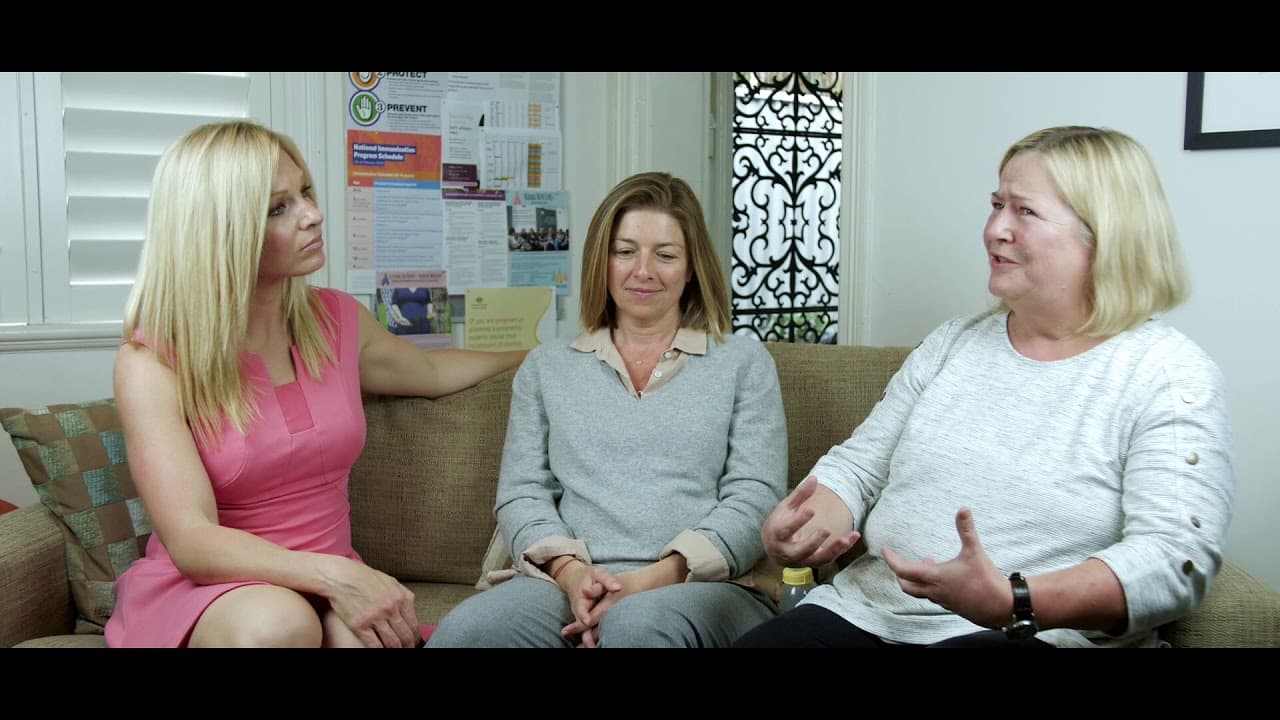
Video from NadineRichardson.
Generated from the canonical interview transcript and validated against source data by Guests on Air.
Why should both parents prepare for birth before the big day?
Preparation gives both parents a working map of labour. Nadine Richardson says education lets families make their own choices, helps partners act as informed advocates rather than bystanders, and eases the fear that makes pushing harder. The obstetrician in the conversation adds that prepared women understand the stages of labour and have strategies ready when things slow down.
Nadine Richardson is the founder of She Births, a childbirth education program she created to prepare pregnant families with holistic and evidence-based tools. In this conversation, recorded with new mother Anna Kooiman and obstetrician Dr Jane Dudley, she explains why preparation matters so much for the people walking into the birth room.
Anna had given birth to her son Brooks about nine months earlier, naturally and without drugs, despite a posterior position. She credits what she learned in the program about labouring and handling pain, and says she went into the day feeling confident rather than anxious. She felt confident in her doctor, in herself and in her husband as a good coach.
The discussion moves between three voices: a mother, a doctor and an educator. Together they cover what preparation changes, why partners belong in the classes, how to think about pushing and tearing, and why dropping self-judgement in pregnancy is a strong way to begin the long work of parenthood.
Key takeaways
- Nadine Richardson describes She Births as a scientifically verified program that aims to reduce interventions and raise maternal satisfaction.
- Prepared women tend to understand the stages of labour and have strategies ready when progress stalls, according to the obstetrician.
- Partners who attend classes can act as informed advocates, and Nadine says no dad should enter the birth room without education.
- Perineal tissue is designed to stretch, and fear of tearing can create the very resistance that makes pushing harder.
1. What preparation changes for mothers
Nadine Richardson created She Births ten years before this conversation to prepare pregnant families with holistic and evidence-based tools. She describes it as a scientifically verified program that has been through research trials, with the aim of reducing interventions and increasing maternal satisfaction for the families who take part. Anna first heard about the program from several friends before signing up herself.
Her aim is not a perfect birth on a fixed script. She talks about positive, better births and about making every birth beautiful no matter what unfolds. Anna echoes that view: she hoped to birth without drugs, but had decided in advance to forgive herself if she needed them and not to beat herself up.
Dr Jane Dudley, the obstetrician who caught Anna's baby, says some women go in blind and still have an amazing birth. In general, though, she finds that women who prepare understand the stages of labour, know what to expect, and have strategies to stay mentally tough when progress is slower than they imagined.
2. Why partners need education too
Anna says one of the best parts of her experience was her husband coming to appointments and doing the classes with her. Because he had taken the time to learn, he could be her advocate, knew what all the options were, and made her feel comfortable and supported throughout the long day of labour.
The group agrees that partners are far more involved in pregnancy, labour and the weeks after birth than they were a generation ago. Nadine goes further and argues that sending a dad into the room without any preparation is a mistake, because most people have never been exposed to a real birth before.
Classes act as a gentle form of exposure. Anna admits she did not understand how messy birth was until she watched the program's videos. Dr Dudley adds that birth is often a woman's first real medical experience, and Nadine sees her role as the bridge between hospital routine and the family's own understanding. That bridge, she suggests, is what turns an unfamiliar medical setting into a place where parents can make choices.
3. Pushing, fear and the choices that empower
On pushing, Dr Dudley says the key is surrender. Women are trained from a young age to hold everything in, yet as the baby comes down the task is to relax the pelvic floor, rest between contractions, and use their intensity rather than fight it. Sometimes, Nadine adds, the body does almost all the work by itself and the team simply lets it happen slowly.
Nadine says many women are so afraid of perineal tears that the fear itself creates resistance. She reminds families that the tissue is designed to stretch and also to tear and repair. Her advice is to push from the upper abdomen, from the baby's bottom rather than into your own, while softening the pelvic floor. Warm compresses and a good, optimal position help that part of the body open.
She also stresses flexible choices. Anna found a strict pregnancy diet stressful, and Nadine told her to pick what worked for her. Choosing in this way, Nadine says, is what creates a sense of empowerment, and learning to drop self-judgement in pregnancy helps parents avoid isolation and find the village they need.