Criminal Justice
Why a DNA Mismatch Did Not Stop Jeff Deskovic's Wrongful Conviction
On Long Island Backstory, Jeff Deskovic traces how a coerced confession, a failed defense and a pressured jury combined to send a 16-year-old to prison for 16 years.
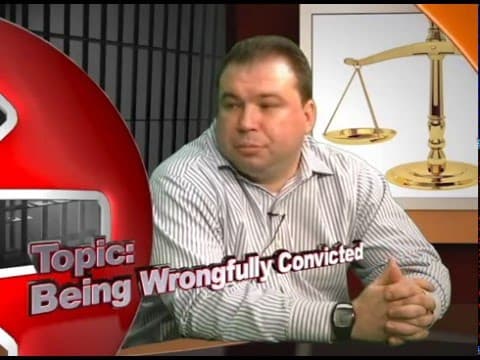
Jeffrey Deskovic, Wrongfully Convicted of rape and murder PART 1
Video from LONG ISLAND BACKSTORY®.
Generated from the canonical interview transcript and validated against source data by Guests on Air.
Why was Jeff Deskovic convicted even though the DNA did not match?
Jeff Deskovic was convicted because a coerced confession outweighed the DNA. Police questioned the 16-year-old for up to seven hours without a lawyer, a medical examiner gave testimony Jeff Deskovic calls fraudulent, the public defender never challenged it, and a holdout juror gave in to avoid being sequestered over Christmas.
Jeff Deskovic was 16 when a high school classmate was found raped and murdered in a park in Peekskill, New York, in November 1989. Within weeks police had focused on the quiet teenager, and by the end of a long polygraph session they had a confession. On Long Island Backstory with Gary Jacobs, Jeff Deskovic walks through the case step by step.
The striking part of the story is not a single mistake. Semen found on the victim did not match the teenager, yet the conviction stood. The interview sets out how police, a polygraphist, a prosecutor, a medical examiner, a public defender, a judge and finally a jury each had a chance to stop the case, and none of them did.
What follows draws on that conversation to explain why a confession can outweigh physical evidence, how one juror's changed vote decided the outcome, and what years inside a maximum security prison cost a teenager who was later exonerated. It ends with the work the Jeffrey Deskovic Foundation does to free people who are actually innocent.
Key takeaways
- A confession taken from a frightened 16-year-old outweighed DNA evidence that did not match the accused.
- The polygraph session ran six and a half to seven hours, more than double the three-hour maximum in the expert literature.
- Police, prosecutor, medical examiner, public defender, judge and jury each had a chance to stop the case.
- One juror later admitted switching a vote under pressure to avoid being sequestered over the Christmas holiday.
1. How a polygraph session became a confession
Jeff Deskovic describes six weeks in which detectives treated the teenager as both a suspect and a helper. Officers asked for news of rumors at school, praised opinions and made a boy who dreamed of police work feel important. Raised in a single parent household, Jeff Deskovic began to look up to one officer as a role model, which made the later pressure far more effective.
The polygraph took place out of county, in Brewster, with no lawyer and no parent present. Jeff Deskovic explains that New York treated a 16-year-old as an adult who could waive rights and speak to police alone. The polygraphist kept refilling cups of coffee, which Jeff Deskovic says was meant to raise the pulse rate that the machine reads as a sign of lying.
After six and a half to seven hours of raised voices and repeated questions, an officer warned that colleagues would cause harm unless a story was given. Jeff Deskovic made up an account from details the police had supplied and ended the session on the floor, crying in a fetal position. Nothing was videotaped or audio recorded, and no confession was ever signed.
2. Why the DNA was not enough
Semen recovered from the victim did not match Jeff Deskovic. According to the interview, the prosecutor answered that problem by having the medical examiner claim the victim had been sexually active, which opened the door to arguing the semen came from consensual sex. Jeff Deskovic calls that testimony fraud, because the victim had lived a sheltered life.
The police then interviewed 19 witnesses who knew the victim, and all of them said there was no boyfriend and no consensual sex. Those interviews were never documented or handed to the defense. The public defender never cross-examined the medical examiner and never presented the alibi, and a conflict of interest inside legal aid stood in the way of further DNA testing.
Jeff Deskovic does not believe any of this was a good faith error. At sentencing, the judge said on the record that the defendant might be innocent, yet let the verdict stand. Seen together, these choices form what Jeff Deskovic calls a perfect storm, in which every safeguard meant to catch a wrong conviction pushed the case forward instead.
3. The juror, the prison years and the work that followed
After the exoneration, a juror contacted the civil rights lawyer on the case. That juror had been the last holdout in an eleven to one split, never believed the teenager was guilty, and gave in when the panel learned it would be sequestered over Christmas without a verdict. Jeff Deskovic says that one switched vote cost 16 years of freedom.
Sentenced to 15 years to life and sent at 17 to a men's maximum security prison, Jeff Deskovic was assaulted and once nearly killed. Elmira Correctional Facility saw stabbings almost every day. Refusing a sex offender program that demanded an admission of guilt counted against parole, and the appeals were lost, one of them because a filing was four days late.
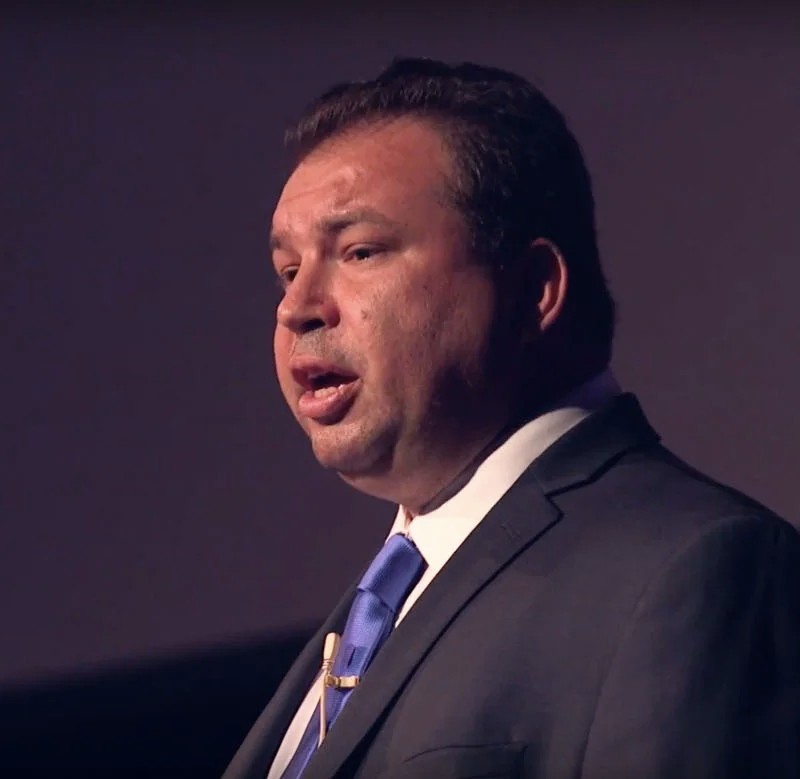
The Jeffrey Deskovic Foundation, described at the end of the interview, takes only cases where a prisoner has no connection to the crime, reviewing court files, reinterviewing witnesses and seeking forensic testing. Jeff Deskovic also speaks publicly and argues for videotaping interrogations, a reform aimed squarely at the kind of unrecorded questioning that produced the original confession.