Recovery and reinvention
Rebuilding a life after memory loss starts with learning to dream again
After brain surgery and a coma took her memories, a former ICU nurse found that the hardest recovery was emotional, and that dreaming like a child pointed the way forward.
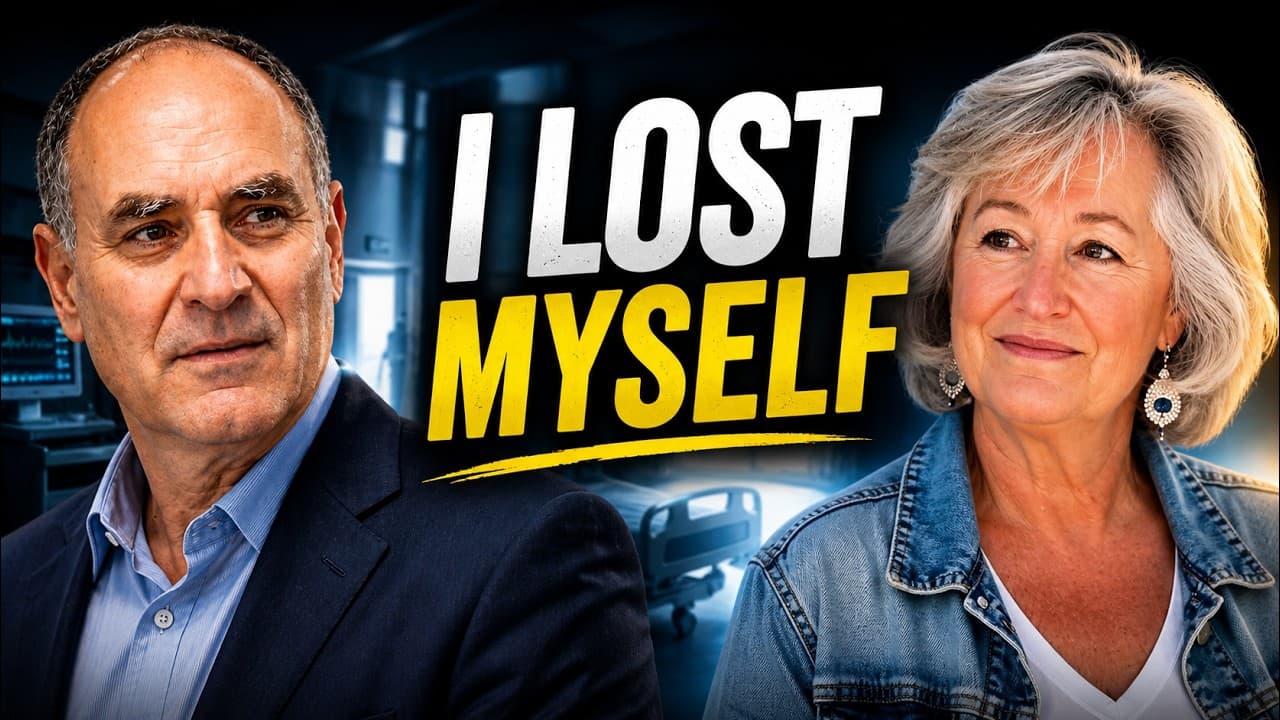
She Woke Up From a Coma and Forgot Her Entire Life | Brain Tumor Survivor Story (Jennifer White)
Video from Daniel Kobryner.
Generated from the canonical interview transcript and validated against source data by Guests on Air.
How do you rebuild your identity after losing your memory?
Jennifer White rebuilt her identity by treating the emotional recovery as seriously as the physical one. She went back to dreaming the way a child does, wrote down what a clean slate could hold, kept a daily vision board in front of her, and moved toward her new goals one small, practical step at a time.
In January 2024, Jennifer White had surgery to remove a tumor sitting in the center of her brain. She had spent more than 30 years as a nurse, much of it in trauma and intensive care, so she understood exactly what the operation could cost her. The surgery saved her life, but the person who woke up afterwards was very different.
She spent about four days in a coma. When she came round, she was tied to the bed rails and did not recognize the man at her bedside, who turned out to be her husband. She had to think consciously about how to walk, pass swallowing tests before going home, and accept that many of her memories were gone.
Speaking to a podcast about personal transformation, Jennifer White explained how she spent the whole of 2024 reinventing herself. Her account is useful for anyone facing a new normal they did not choose, because it shows that rebuilding an identity is a practical process with steps, not only a matter of waiting to feel like yourself again.
Key takeaways
- The physical side of recovery can be easier than the emotional work of deciding who you are now.
- Dreaming like a child, without the rules society hands adults, can reveal what a new life should hold.
- A vision board seen every day keeps positive goals visible and reinforces a sense of control.
- Big changes can start with one small, concrete step, such as signing up for a single course.
1. Why the emotional recovery is the harder one
Jennifer White is clear that relearning to walk was not the hardest part. The physical rehabilitation followed a plan, with professionals guiding each stage. The open question was who she was going to be. People told her she used to quilt and do needle crafts, yet she felt no interest in either, and her old hobbies no longer explained her.
Watching television and films between long sleeps helped bring some memories back, but even years later many childhood memories are still missing. Writing helped her recover memories of her nursing career. One of her therapists suggested she write down what she remembered, partly so that other people facing brain surgery could see there was hope beyond it.
The change reached her marriage too. Her husband was supportive throughout, but she no longer felt the connection they once shared, and they were living more like roommates. He admitted he wished he had the old Jenny back. They talked it through and chose to rebuild the relationship from a clean slate, accepting the differences and trying again.
2. Going back to childhood dreams
The suggestion that changed her direction came from therapy: go back to being a child and start dreaming. Children imagine freely about who they will become. Adults, she argues, have that habit trained out of them by school and social expectations about education, marriage and home ownership, until the standard script crowds out the life they might actually want.

When Jennifer White asked herself what she would want with a clean slate, the answer was to become an author. She had written many professional papers as a nurse, but fiction was new territory. She saw that decades at the bedside had given her a store of stories about the ethical questions hospitals raise every day and rarely discuss in public.
That became her debut medical thriller, The Triggering Scent, which follows Abby, a respected ICU trauma nurse returning to work after brain surgery with memory gaps and a changed personality. During her recovery she also wrote a series of picture books for young children, short projects that helped her put thoughts in sequence and gave her a real sense of accomplishment.
3. Three steps for anyone facing a new normal
For people who feel lost or broken, her first step is to set current circumstances aside and dream as if starting over. She suggests asking what you would do if you could do anything at all, writing the answers down as a list, and then deciding which item matters most, so that the dream becomes a choice rather than a passing wish.
Her second step is a vision board. Hers covers her desktop with positive messages and pictures of success, wealth, joy and the places in nature where she feels connected. Seeing it every day reminds her that she is in control and can do anything, which keeps the new direction in front of her when progress feels slow.
The third step is a course of action built from small moves. When she decided to write a book, she found suitable online courses, applied to one, paid the fees and worked through it every day until she felt secure. Now in her 60s, she describes feeling reborn, and she argues that there is no age limit on starting again.