Leadership
Nikki Langman on Self-Leadership, Early Warning Signs and Safe People at Work
Leading others starts with an honest look at yourself, and with people you trust enough to tell you what you cannot see.
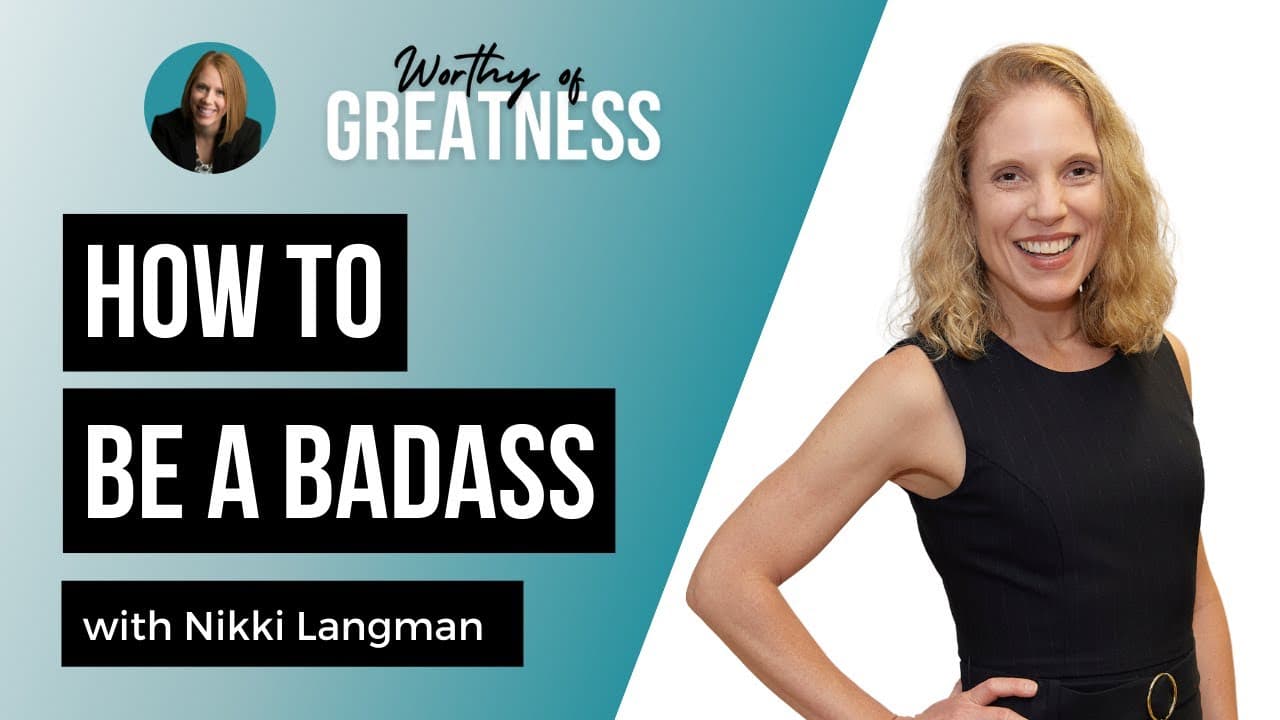
How to Be a Badass with Nikki Langman [Worthy of Greatness Podcast Episode 102]
Video from Angie Gensler.
Generated from the canonical interview transcript and validated against source data by Guests on Air.
Why does leading other people start with leading yourself?
Nikki Langman argues that people cannot give what they do not have. Leaders who notice their own warning signs early, talk to themselves with care, and give trusted colleagues permission to call out their behavior are better placed to support a team, because they are not running on an empty tank when the pressure arrives.
Nikki Langman came to leadership through a lifelong interest in human behavior. She told Angie Gensler on the Worthy of Greatness podcast that her psychology studies at university sparked a question she still works on today: what makes people do the things they do, and what does it take to lead yourself well before you try to lead anyone else?
Her answer is self-leadership. In the conversation she describes her whole purpose in business and in life as helping people lead and manage themselves first, because every result that follows depends on it. She makes the case with a simple picture: a person who cannot swim should not keep jumping into the lake to rescue others, because more people end up in the water.
The interview covers the early warning signs people ignore under pressure, the way negative self-talk quietly undoes hard work, and why every workplace needs safe people who are allowed to name what they see. Her own long road through addiction and into recovery sits inside that story, but the lessons she draws are about how any person, and any leader, can act earlier.
Key takeaways
- Leading others starts with leading yourself, because a person running on empty can only give pieces.
- Early warning signs, which Nikki calls yellow lights, are useful only when you are honest enough to notice them.
- Negative self-talk can undo years of credibility in a single meeting, so the inner voice needs as much care as the outer one.
- Safe people at work are colleagues who have permission to call out behavior and agree not to take the response personally.
1. Serve yourself first so you have something to give
When the host asked who she serves, Nikki gave what she called the true answer rather than the polite one: she serves herself first. She knows that sounds self-centred. Her point is practical, not selfish. If you cannot understand and support yourself, you have very little insight or energy left to offer the people around you, at home or at work.

Her lake analogy makes the stakes clear. Someone who cannot swim keeps diving in to save people who are struggling, and each time several others have to jump in to rescue both of them. The kind thing, she says, is to stop jumping in until you have learned to swim. The same pattern shows up in how people work, parent and show up for friends.
For leaders the lesson is uncomfortable but useful. Care for a team is not measured by how often you rush in. It is measured by whether you arrive with yourself intact. Nikki closes the interview with the same message in plainer words: fill your own tank first, then give generously to the people who rely on you.
2. Notice the yellow lights before the pressure takes over
Nikki is open that her early life was shaped by addiction, which began when she was a child and followed her through years of treatment and relapse into her mid-thirties. She has now had several years of full sobriety. What she took from that road is a habit of honest self-checking that she says helps her every day, far beyond recovery itself.
She calls the early signs of trouble yellow lights or yellow flags. Knowing your own triggers is only half the job; the other half is being willing to be honest with yourself when they appear. Her closing advice to listeners was direct: when the episode ends, go to the mirror, ask yourself how you are really doing, and answer truthfully.
She also names the pull of pressure in ordinary work. Working from home during a long lockdown, she found that opening the laptop before her morning run meant the whole day disappeared into the inbox. Her fix is simple and personal, a run before any email, but the principle applies to any leader: protect the routine that keeps you steady before the day starts making demands.
3. Build safe people into the workplace
Self-talk is the final letter in the framework from her book, How to Be a Badass: Navigating Your Road To Self-Mastery, which the host asked her to walk through. Nikki explains how the brain looks for evidence of what we already believe. Someone who tells themselves they always say the wrong thing in meetings will find proof of it, and can undo hard-won credibility in a minute.
The strongest practical idea in the interview is what she calls safe people. These are people you give permission to call you out on your behavior, and who agree not to take your response personally when you bristle. She gives the example of her sister spotting her irritability before she notices it herself, and of learning to accept that feedback instead of fighting it.
Nikki says she is working on this idea for workplaces as well as families. Colleagues who can tell each other what they see, without it turning into an attack, give a team an early warning system that no policy can replace. For leaders, creating that kind of environment means earning trust, inviting honest feedback, and reacting well when someone finally speaks up.