Wellness
Matrescence: Why the New Mother's Brain Is Upgrading, Not Failing
Nadine Richardson explains why a new mother's brain is rewiring rather than failing, and how families can plan postpartum care that supports the change.
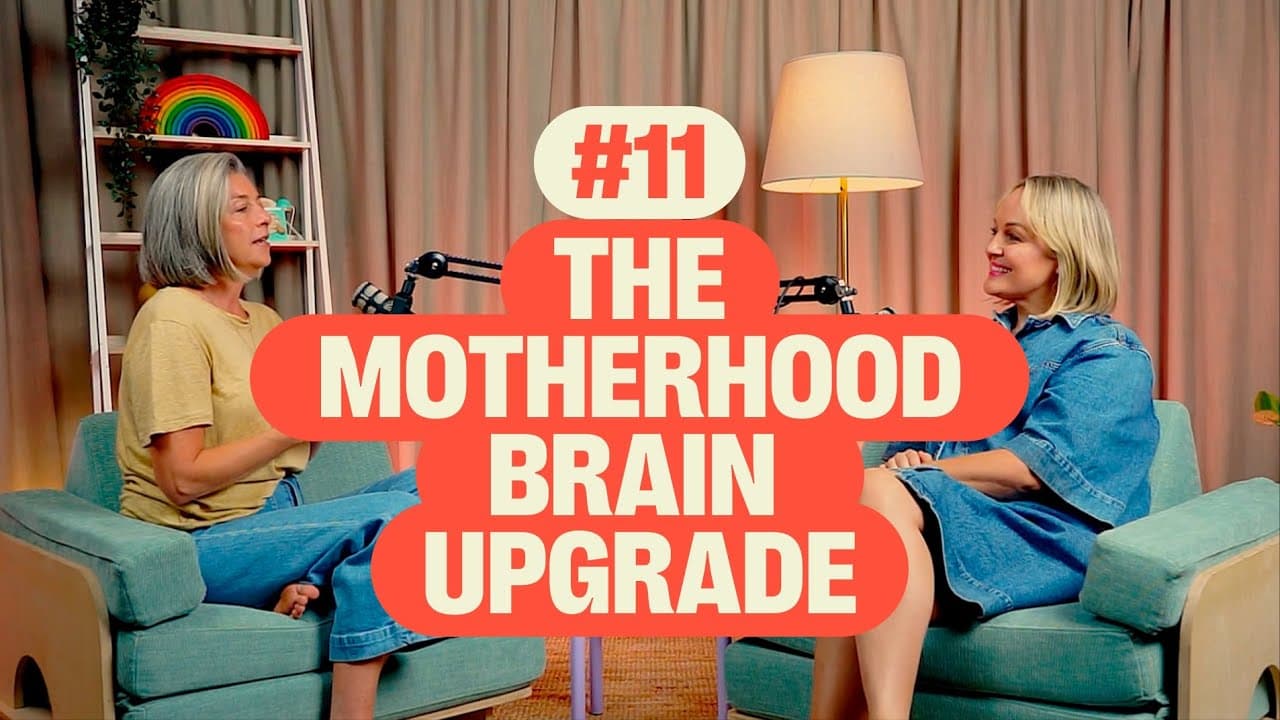
Matrescense: The Motherhood Brain Upgrade
Video from Kiindred.
Generated from the canonical interview transcript and validated against source data by Guests on Air.
What is matrescence and what helps new mothers through it?
Matrescence is the transition into motherhood across pregnancy and the first two years postpartum, when hormones reshape the brain and nervous system. Nadine Richardson says new mothers are helped most by understanding the change, resting and lying down early on, protecting their space with firm boundaries, and surrounding themselves with a skilled partner, a doula and supportive people instead of judgement.
Most expectant parents prepare carefully for labour and very little for what follows. Nadine Richardson, founder of She Births and a birth educator for around twenty years, argues that the bigger change is matrescence: the transition into motherhood that runs across pregnancy and the first two years postpartum, reshaping hormones, the nervous system and the brain itself.
In a conversation with Emmy on Kiindred's Things Nobody Tells You, Nadine explains why the forgetful, foggy feeling many new mothers describe is better understood as rewiring than as loss. The brain is pruning and rebuilding so it can read a baby's face, cry and needs, and that process asks for rest, protection and the right people nearby.
She also makes a practical case for naming it. Only about one in ten of the people who attend her in-person programs have heard the word matrescence, so many families plan the birth in detail and leave the months afterwards to chance. Understanding the change, she says, helps parents meet it with compassion instead of blaming themselves.
Key takeaways
- Matrescence is the physical, psychological and emotional transformation that spans pregnancy and the first two years after birth.
- Brain imaging shows grey matter shrinks in this period while new pathways grow to prioritise caring for a baby.
- A new mother's instincts strengthen when she is surrounded by supportive people rather than judgement or conflicting advice.
- Early postpartum recovery works best with plenty of lying down, prepared food, firm boundaries and a well prepared partner.
1. A brain rebuilt for a baby
Nadine points out that this science is still young. Research has historically paid little attention to women's bodies, and she notes how small the share of neuroscience studies focused on females has been. In the 2010s, researchers began using functional MRI on mothers and found that across pregnancy and the two years postpartum, almost no part of the brain is left unchanged.
The scale surprises most people. Mothers lose around 5 percent of their grey matter volume over that window, Nadine explains, while the usual age-related decline after 35 is a fraction of a percent each year. Hormones drive much of it: estrogen and oxytocin make the brain highly plastic, while prolactin supports the growth of white matter and new connections between regions.
Rather than calling it baby brain, Nadine describes a gardening brain. Like pruning a plant in winter so new growth can come through, the brain trims what it no longer prioritises and builds pathways for reading and caring for a child. Studies show that although women feel forgetful, memory and cognitive ability have not actually declined. Attention has simply been redirected.
2. Instinct needs the right environment
The new pathways make mothers more attuned to non-cognitive cues, which explains the hypervigilance many describe, such as checking a sleeping baby's breathing or hearing phantom cries in the shower. Nadine links this sensitivity to instinct and intuition, and to the mother and baby dyad, in which both need closeness to keep oxytocin and dopamine flowing between them.
That openness has a cost. Nadine says instinct flourishes only when a mother is in the right environment with the right people around her. When those nearby override her, judge her or make her doubt herself, the same plastic brain encodes the experience deeply. She notes that around 30 percent of mothers in Australia describe birth trauma, and some describe obstetric violence.
Her answer is a team. Because the hormones of pregnancy make women more inclined to please, she argues mothers need a skilled partner, a doula and good care providers in their corner. Partners change too: fathers' testosterone falls and prolactin rises with time spent caring, and a Singaporean study linked early skin-to-skin contact to dads who stayed better attuned to their children.
3. Plan the postpartum months like the birth
Nadine encourages families to talk through postpartum before the baby arrives: who will be around, how much time off is possible, whether friends can run a meal train, and how to stock easy home-cooked food. She describes a 15-day rhythm of five days in bed, five days on or near the bed and five days close to it, echoing traditions of 30 to 40 days' rest.
Lying down matters physically. Whether a mother has had a caesarean or a vaginal birth, Nadine explains that the muscles and organs need time to resettle in the pelvis, and staying upright for long periods pulls weight onto the pelvic floor and raises the risk of prolapse. Saying no to visitors and protecting quiet time with the baby are part of the same care.

Emotionally, she asks mothers to hold a paradox: deep joy alongside exhaustion, and grief for an old self alongside excitement about who they are becoming. In her Soul Mama circles, women sit together without giving advice and simply listen. Her message is to give yourself some slack, slow down and remember that when there is change, something good is also happening.