Recovery and wellbeing
Maria Power on when healing work becomes its own addiction
Addiction specialist Maria Power explains how retreats and healing sessions can turn into a loop, and what changed when a workshop pushed the focus onto action.
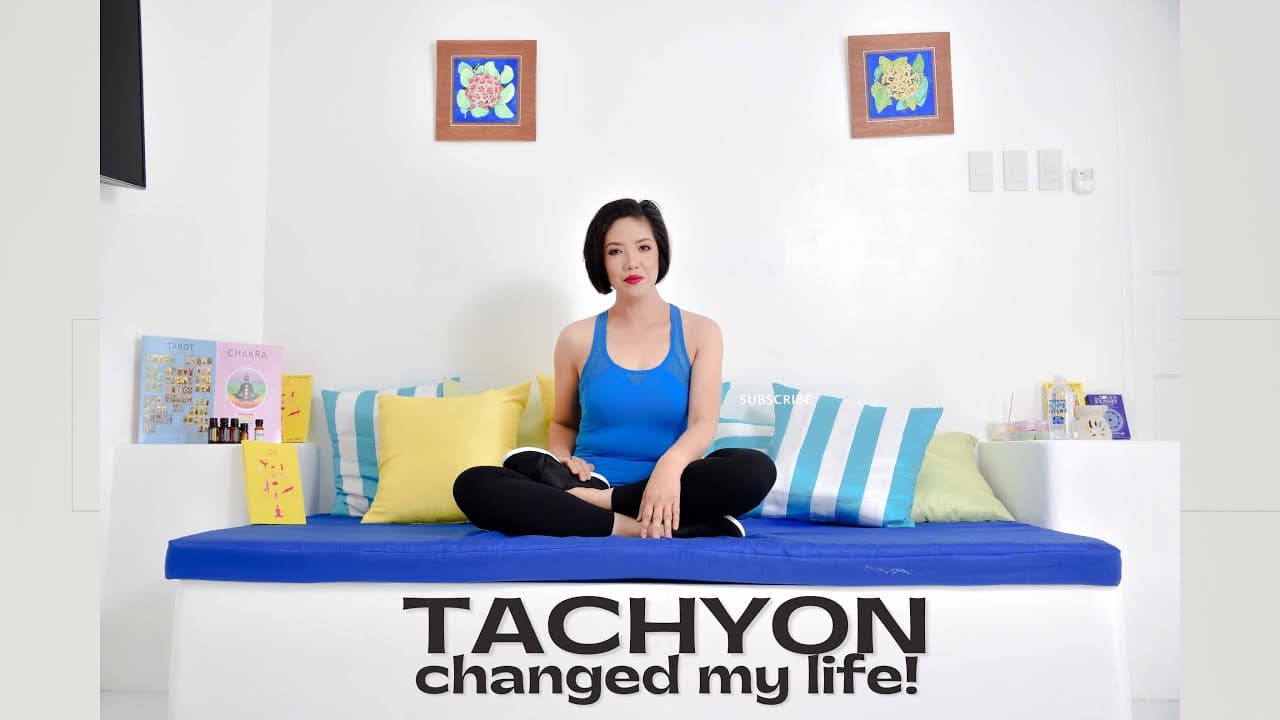
Why the Tachyon Workshop Changed my Life COMPLETELY! - Dr M Power
Video from Helping you create permanent transformation.
Generated from the canonical interview transcript and validated against source data by Guests on Air.
Can personal growth and healing work become an addiction?
Maria Power argues that healing work can become its own loop when every retreat, breathwork session or regression creates the need for another. The way out is commitment rather than endless processing: deciding what you want, acting on it quickly, letting go of what keeps you small, and choosing growth freely instead of being pressured into it.
Maria Power has spent years helping people break free from addiction, yet in this conversation the addiction specialist turns the lens on a habit many self-improvement seekers share. After a weekend course called the Tachyon Workshop, Power describes a sudden end to years of retreats, breathwork and regression sessions that had promised change but left the change still waiting.
The interview, recorded a few months after the workshop, is less about the method itself than about what shifted afterwards. Power admits the experience is hard to explain, even for someone trained in mental health. What can be described are the practical decisions that followed: leaving a business that felt too small, letting go of constant stress, and buying a first home.
For anyone rebuilding a life after addiction or burnout, the most useful thread is a warning. Power argues that personal growth work can turn into another loop, where each course or healing session creates the need for the next one. The alternative offered here is commitment: knowing what you want, acting on it, and refusing to keep rehashing the past.
Key takeaways
- Healing work can become its own loop when every retreat or breathwork session seems to demand another one.
- Maria Power left a business that felt too small within days of deciding it no longer fit.
- Power describes going months without dealing with stress, even when plans did not work out on time.
- Pressure selling creates refunds and regret, while letting people choose freely builds real commitment.
1. When personal growth turns into another addiction
Before the workshop, Power had already tried much of what the wellness world offers. There were retreats, a quantum retreat, breathwork, regressions and long sessions of release on the floor. Much of it cost a lot of money. Yet a year after the biggest of those experiences, Power says the change still had not happened, and the same questions kept returning about how much more healing was needed.
That pattern is familiar to anyone who works in addiction. Power, a doctor and mental health specialist, describes how people can get stuck in the modalities themselves, convinced they must keep letting go, keep rehashing and keep healing. The search for the next breakthrough starts to look like the behaviour it was meant to replace, with each session bringing relief that never quite lasts.

The interviewer, who helps run the workshop, shares that concern. People who are hooked on doing course after course, or who arrive out of mild curiosity, will not get much from it, because it asks for full commitment. Power agrees, framing the shift as moving from endless processing to finishing something. The old weight, in Power's words, is done and finished rather than carried into the next program.
2. Stop playing small and act on what you already know
The first visible change came within days. Power had been working in a small shop with a partner, making shakes and serving customers. There was nothing wrong with the work, but Power knew it was being done to help someone else rather than out of any sense of purpose. Before the workshop, the easier path had been to settle and avoid causing trouble.
The day after the workshop, Power told the business partner that the shop was no longer the right place to work. Power describes the following week as everything falling apart, not because the old arrangements were bad, but because they were never meant to last. In Power's view, whatever keeps a person playing small tends to be taken away once they stop accepting it.
The most tangible result came later. At 46, Power had never bought a home, held back by the familiar voices that list every reason not to. Then Power went to the Philippines and bought a first unit just like that. For people in recovery, the lesson is less about property than about acting before fear writes the script and the old limits take over again.
3. Living without stress and selling without pressure
Asked recently on camera how stress is handled, Power struggled to answer, because it had been a couple of months since stress had been an issue at all. Things still do not always go to plan. The difference, Power explains, is the absence of doubt and fear, replaced by a confidence that something is being worked out and that happiness does not need to wait for it.
That outlook has changed how Power thinks about selling, too. Power has seen other programs rely on mind tricks, urgency and price ladders, where a 20K offer today becomes 30K if the buyer waits. Power contrasts that with an approach that lets people decide for themselves. When nobody is forced or manipulated, there are no refunds, no regret and no tricks needed to win a sale.
For coaches and clinicians, the takeaway is practical. Recovery and growth work best when the person truly wants the change and arrives ready to act. Power suggests that the way someone responds to a new idea shows where they are on their own journey. Meeting them there, rather than pushing, keeps the decision theirs and makes any result more likely to last.