Future of Work
Julian Reeve on Why Work Values Decide a Career Migration
Julian Reeve argues that people rethinking where and how they work should anchor every change in their true work values, not in a short burst of relief.
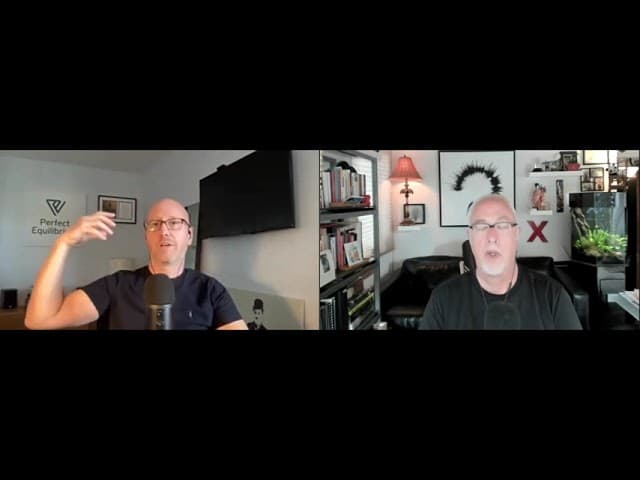
Taking Control: The Great Career Migration | Julian Reeve | TEDxSantaBarbaraSalon
Video from TEDx Talks.
Generated from the canonical interview transcript and validated against source data by Guests on Air.
How should employees and employers handle a career migration?
Julian Reeve says a career migration should start with true work values. Employees who name what matters to them, from their team to their impact to their time, negotiate changes that last. Employers who stay realistic, safe and kind, and who care for the psychological strain of constant change, keep the loyal people who carried them through disruption.
When the pandemic sent millions of people home, many discovered that the working week they had accepted for years was not the one they wanted. In a TEDxSantaBarbaraSalon conversation, Julian Reeve described what followed as a career migration: a wave of people reconsidering what they do, where they live and how much of their time they are willing to trade for work.
Reeve, who advises organizations on how work is designed and led, framed the moment as a dance between employers and employees in which it was no longer obvious who was leading. His work, he explained, is making sure that dance is led well from both sides, and it comes down to something more durable than perks or policies: true work values.
The conversation covered upskilling, workplace safety, government support and the advice he would give an employer navigating it all. Across each topic Reeve returned to the same idea. Change that is anchored in self-awareness and values tends to last, while change that is simply bolted on in a moment of relief tends to fade quickly.
Key takeaways
- Name your true work values, such as team, environment or impact, before you renegotiate how and where you work.
- The euphoria of a better arrangement fades fast unless the change reflects values you have genuinely identified.
- New skills and new places to live are driving a career migration that many employers have not yet fully felt.
- Employers should be realistic, safe and kind, and care for the psychological strain of constant change.
1. Start With True Work Values
Reeve observed that time away from the office gave many employees a clearer view of what they valued. Some found they were more productive at home, spent more time with family and less time on the freeway. That experience prompted direct conversations with managers about wanting more of the same, and it shifted the balance of power in many workplaces.
His advice is to identify those values before any negotiation begins. A value can be the environment someone works in, the team around them or the impact they have in their organization. Knowing which ones matter most means that a request for more time at home, or a different role, is grounded in what the person actually wants rather than a passing mood.
He warned that the relief of winning a better position does not last on its own. In his words, the euphoria of getting into a better position only lasts a short amount of time. When the new arrangement reflects values a person has genuinely identified, he said, they are far more likely to get longevity out of the situation.
2. Why He Calls It a Migration
Reeve chose the word migration deliberately. He described a wave of change driven by what people learned during an unprecedented period. A large share of employees used that time to build new skills, and with some distance they now know how much they enjoy using them. That knowledge, he said, is the first foot on the migration ladder.
The second part is physical movement. Reeve noted that people are strongly considering where they want to live, and many no longer want to stay in expensive cities if a different lifestyle is possible. He expected this movement, both conscious and subconscious, to produce a larger shift in the labor market than most organizations had yet seen.
He also pointed to young people weighing their options. Drawing on his own background in entertainment, one of the industries hit hardest by the pandemic, he suggested that many will think carefully before paying for an education in a sector that proved so exposed. Which industry leaves someone best positioned is now part of career planning.
3. What Employers Owe Their People Now
On the workplace itself, Reeve encourages people to use more self-awareness and more authenticity, then act strategically on what they learn. Self-awareness means asking how someone really feels about coming back to a cubicle. Authenticity means working out which arrangement lets them be as productive as they need to be, day after day.

He expects employees to do part of this work for their employers. If organizations put systems in place to connect with people in clearer and more measurable ways, he said, the two sides can meet in the middle. Care, in his view, goes beyond masks and screens to the psychological strain of constant flux and uncertainty.
His closing advice to employers was short: be realistic, be safe, be kind. Leaders face pressure from above and below, and many are reconsidering office space entirely. Companies that keep connecting with employees with the same level of care they showed during the crisis, he said, will be in a good place to retain the people who stayed loyal to them.