Sustainability
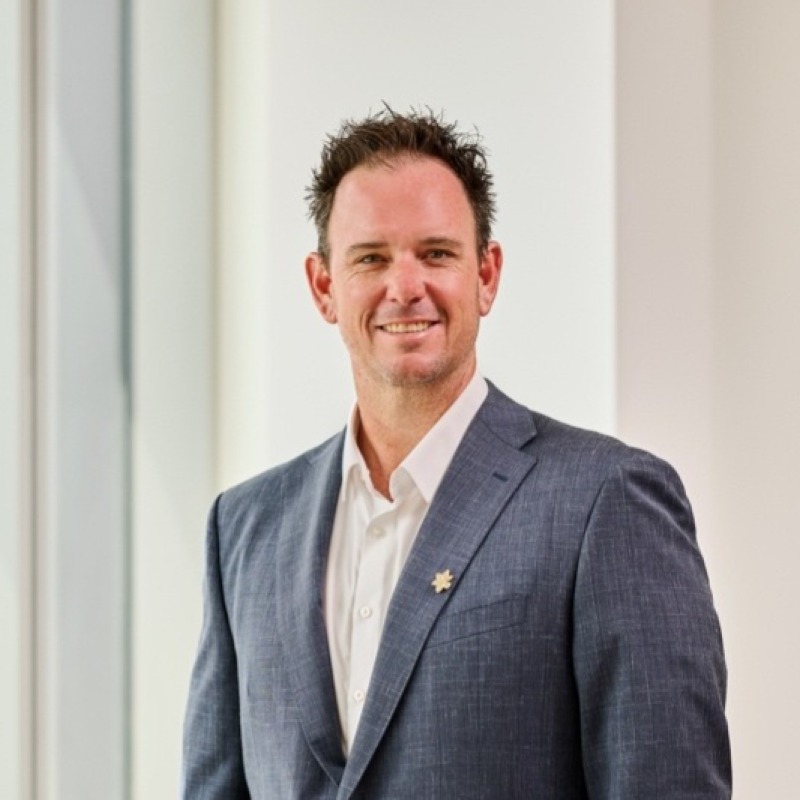
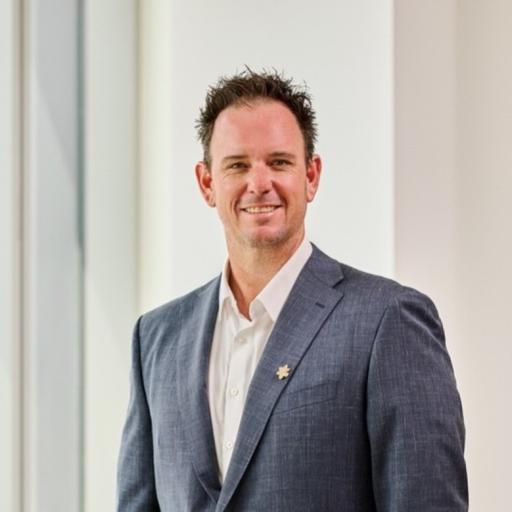
Jim Allenby on Why ESG Comes Down to Better Decisions Made More Often
ESG is no longer a topic companies can park for later. It lands on finance teams, pushes up the cost of fuel and asks every person to choose a little better, a little more often.
Common ESG Questions Answered - On Purpose Podcast Episode #3
Video from Parvate ESG.
Generated from the canonical interview transcript and validated against source data by Guests on Air.
How will ESG change everyday decisions for businesses and people?
Jim Allenby argues that ESG has moved from a future concern to a present one. For businesses, it means finance teams collecting new data and planning for rising energy costs. For individuals, it means many small choices, such as recycling properly or taking the train. Better decisions made more often, he says, beat one large decision left until the last minute.
In the third episode of the On Purpose Podcast from Parvate ESG, Jim Allenby and his colleague Paul Gaudoin took on the questions people most often ask about ESG. The host, who works in the finances of organisations, wanted to know what was really changing in the market and what all of it would mean for people who work in finance.
The answer starts with timing. Early in Parvate's life, Jim Allenby recalls, companies were saying they would get to ESG when they needed to. Through 2022 the interest and the urgency grew, and by early 2023 companies were saying it was time to engage properly and to get solid data behind them.
That shift from later to now runs through the whole conversation. It shows up in the spreadsheets of accountants and company secretaries, in the price of fuel at the pump and in the small choices people make every day. His view is simple: lasting change comes from making better decisions, and making them more often.
Key takeaways
- Companies have moved from treating ESG as a problem for later to seeing it as something to act on now.
- Accountants, CFOs and company secretaries will carry much of the work of measuring and collecting ESG data.
- Climate-related disclosure planning assumes the cost of fuel and emissions-heavy energy will keep rising.
- For individuals, ESG means many small, better choices, because every little decision adds up over time.
1. ESG has moved from later to now
Jim Allenby describes a rapid development of ESG as a topic and a huge shift in momentum towards it. It is no longer only an internal matter for companies. Investors, banks, customers, society and every other stakeholder now treat ESG as an important part of decision making and of how a business behaves.
The link to money matters most. Once access to capital depends on how a company handles environmental, social and governance questions, ESG stops being a project for the future. Companies are now treating it as something to act on today, and the firm's daily and weekly meetings with accounting firms, legal firms and banks show it.
Net zero targets keep moving, and the conversation is frank about that. Dates of 2030, 2050 and even 2070 are all in play, and much depends on technology that has not kept pace. The practical answer is to understand the topic, set realistic targets and build methods for reaching them while the business keeps running.
2. The work lands on finance teams
When the host asked what ESG would mean for people in accounting, Jim Allenby pointed to the people he deals with most. Accountants, CFOs and company secretaries are the ones inside an organisation who will measure this data and collect it, while many businesses still see ESG as another compliance risk or opportunity.
His practical point is that help with the data is where progress starts. If finance teams know what they need to collate, they already have a good start on the process. He told the host, an accountant, to expect another couple of columns on the spreadsheet before long.
Compliance is only the starting point. Paul Gaudoin made the case for going beyond ticking boxes, and Jim Allenby agreed, recalling one of the firm's catch phrases about adding value beyond compliance. ESG may be a compliance industry, he said, but there is more value to be found than the reporting alone.
3. Better decisions, made more often
The host also asked a personal question about buying diesel for the family truck. Jim Allenby was direct. Prices have already gone up, and he does not think there is any getting away from it. Climate-related financial disclosure frameworks such as the TCFD allow for the cost of doing business to rise in the future.
For the average person, he expects ESG to become part of day-to-day life. That might mean catching a train rather than driving, recycling properly or taking a keep cup when buying a coffee. Big organisations still have a lot to do on emissions, workplace conditions and supply chains, but individual choices count as well.
His closing view ties the episode together. Companies that live ESG in their daily business practice will have a huge advantage over those that wait and then rush to assemble a report once it is mandated. The same holds for people: many good small decisions add up, while one big decision left to the last minute only gets harder.