Leadership
Hugo Brooks on Treating Goals as a Direction, Not a Destination
The ambition strategist explains why fixed targets can lead founders astray in a fast-changing market, and how a layered goal stack and a learning mindset keep ambition pointed somewhere worth going.
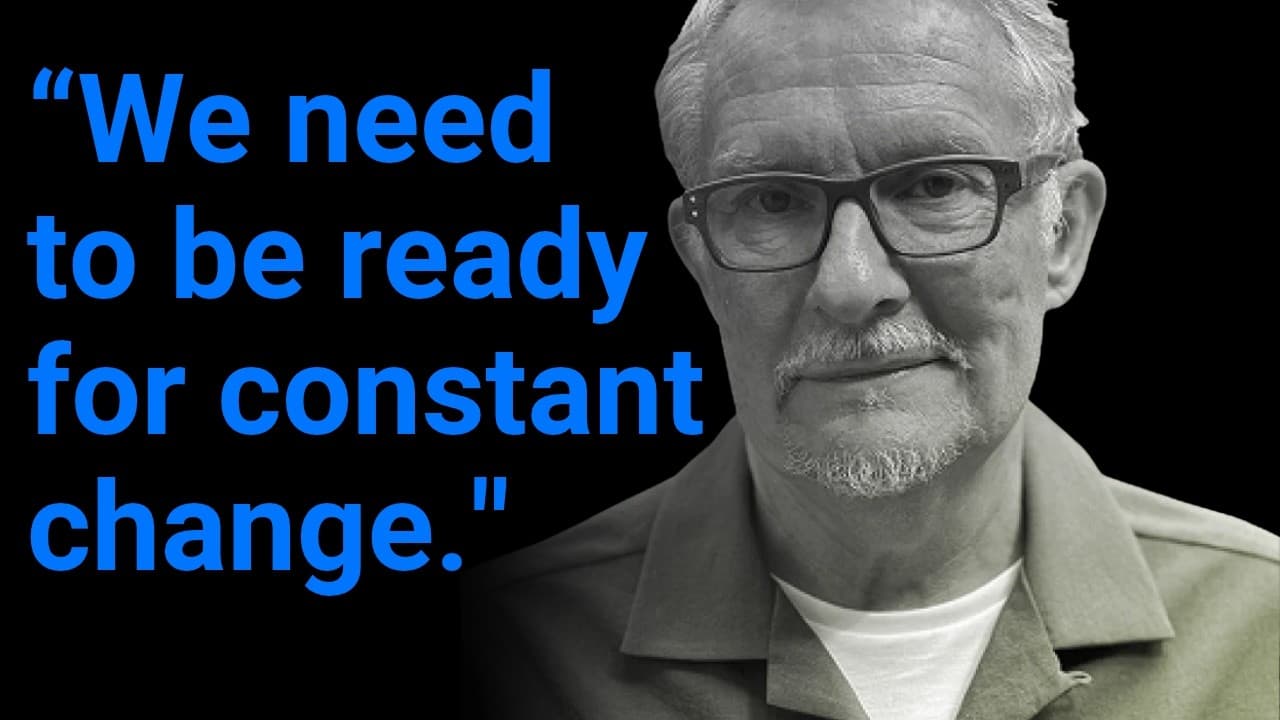
Align Ambition with the Life you Want to Create with Hugo Brooks - EP330 - The Business Growth Show
Video from Athin Cassiotis.
Generated from the canonical interview transcript and validated against source data by Guests on Air.
How should founders set goals when the business world keeps changing?
Hugo Brooks advises founders to treat a goal as a direction rather than a fixed destination. He recommends building a layered goal stack shaped by values across work and life, pursuing it in a spirit of learning and experimentation, and revisiting it often, so the business can change course when markets, technology or personal priorities shift.
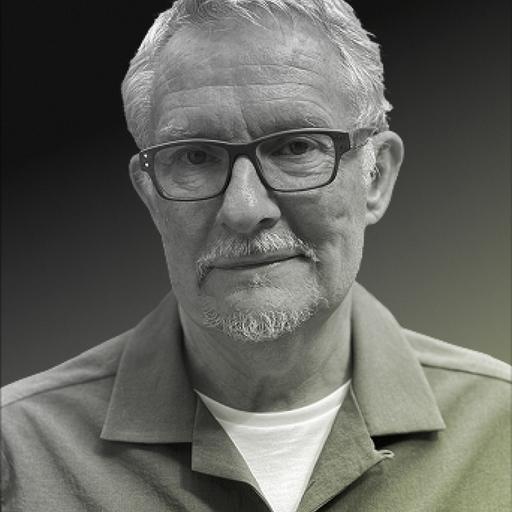
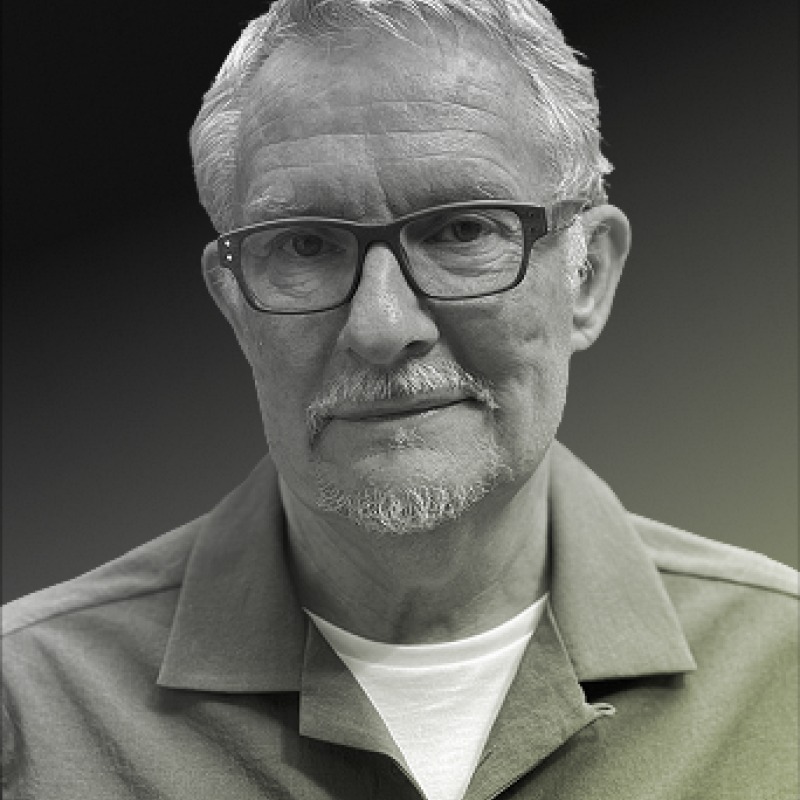
Hugo Brooks spent more than 30 years building and running brand and innovation consultancies before he stepped away to study what really drives ambition. Now an ambition strategist, author and coach to founders, he argues that most business owners hold their goals too tightly. On The Business Growth Show with host Athin Cassiotis, he set out a different way to aim.
His starting point is a distinction. Ambition is the energy that moves a person forward, while a goal is only the destination that energy happens to be pointed at. When the two become fused, founders stop asking whether the destination still makes sense, and they keep driving toward it long after the market, the technology or their own priorities have moved on.
Brooks believes that habit has become expensive. The pace of change means a fixed plan can carry a business confidently in the wrong direction for years. His answer is not to abandon goals but to hold them differently: as a layered stack that covers the whole of life, pursued in a spirit of learning, and revisited often enough to change course.
Key takeaways
- Treat a goal as a direction to head in, not a fixed point to worship, so the plan can adjust as conditions change.
- Build a goal stack that covers every part of life instead of relying on one financial target such as an exit price.
- Approach the path to a goal as learning and experimentation, which turns daily setbacks into useful information.
- Revisit goals regularly, because a world of constant change punishes plans that are never questioned.
1. Why fixed goals can steer a business the wrong way
Brooks describes the danger of ambition as a train track that runs on relentlessly and without question. Relentlessness and even obsession have their place, he says, because building a company involves long stretches of feast and famine. The trouble starts when that drive becomes almost addictive and a founder stops asking whether the chosen goal still deserves the effort.
He illustrates the point with a story from a gathering of founders. One of them had sold his company the day before for around 20 million pounds, a clean exit with nothing left to earn out. When asked how it felt, he admitted that the sale was not it. The goal had been reached, yet the restlessness that drove him toward it was still there.
Brooks compares reaching a goal to walking through a set of doors. A founder may strive for ten years to get there, and the moment of passing through lasts about two seconds. Driven people then tend to look straight for the next target. If every decade is spent that way, he warns, most of a life goes into striving and very little into living.
2. Build a goal stack instead of a single target
Brooks does not argue against goals. He calls them deeply human and necessary, and says people would wither without them. What he questions is the simplistic form they usually take, such as a single sale price. The founder in his story had one goal, to sell for a set amount, and nothing in that target told him what should come next.
His alternative is a goal stack: layered goals that take in every part of life and are thought through with real care. He encourages people to let their values, rather than metrics alone, shape what they aim for. That broader view lets a business goal sit alongside family, learning and personal meaning instead of crowding them out.
He draws on his own early career to show the cost of a narrow target. His consultancy grew fast, with offices in London and New York, until an economic crash cut off client spending. At the time he was a young parent who needed security and capital, but his ambition was pointed at expansion. Aligning the two, he says, might have led to different decisions about risk.
3. Learn your way toward the destination
Once the direction is set, Brooks wants founders to move toward it in a spirit of learning and experimentation rather than heroic struggle. He likens a goal to stepping out of the front door and deciding whether to turn left or right. The goal answers that question, and everything met along the street afterward becomes material for learning how to keep heading the right way.
This approach, he argues, removes much of the daily sense of failure, because setbacks become information rather than verdicts. It also keeps the mind open to questions, which makes it easier to revisit the goal stack and adjust it. His book, Ambition: Redefining Success for a Restless Age, is being published in four parts, the first examining what ambition is and where it comes from.
Brooks sees the stakes rising because the rate of change keeps accelerating. Founders no longer need to prepare for one coming shift but for constant change, and a fixed vision that never moves will leave them behind. His closing advice to entrepreneurs was to stop being driven by ambition and start driving it, consciously choosing where that force should take them.