Health and Recovery
How Writing Helped Jennifer White Rebuild Her Mind After a Coma
A former ICU nurse explains how short writing sessions after brain surgery helped her recover memories, rebuild her identity and start a second career as an author.
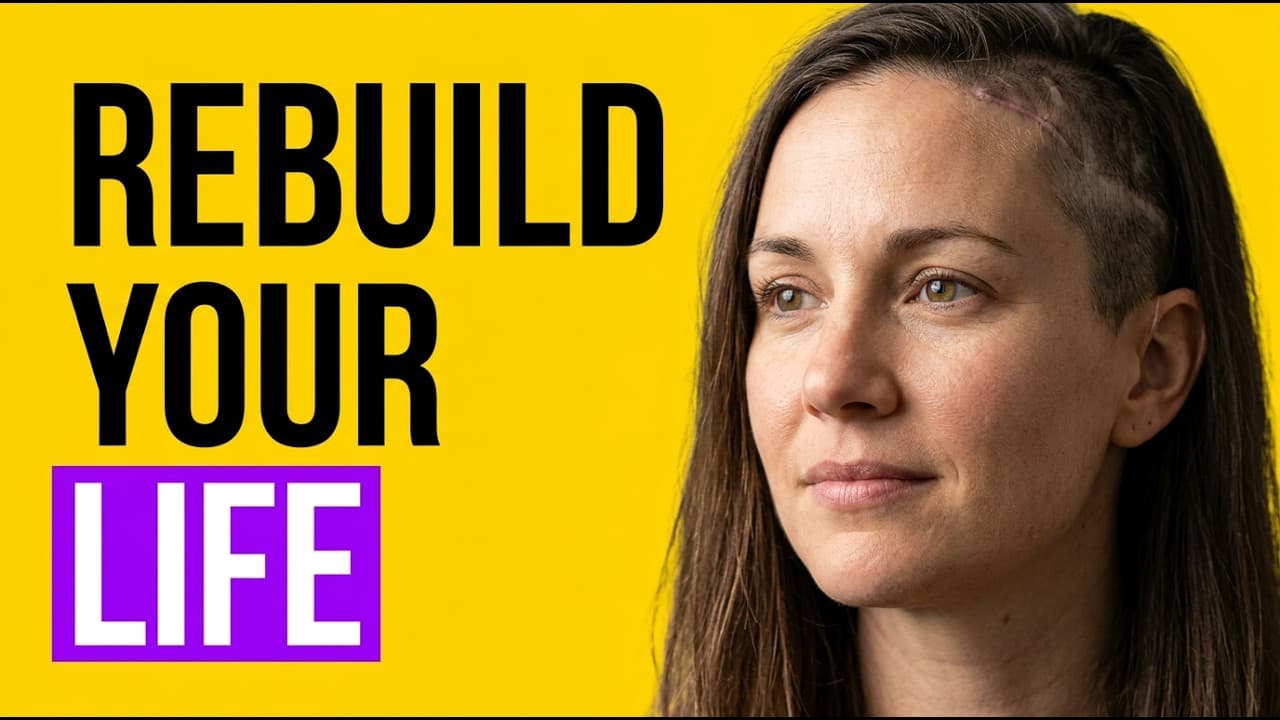
Life Changed Overnight? How to Start Over Stronger
Video from The Advisor with Stacey Chillemi.
Generated from the canonical interview transcript and validated against source data by Guests on Air.
How can writing help someone recover after brain surgery?
For Jennifer White, writing became a recovery tool while her speech was still scrambled. After brain tumor surgery and a four-day coma, her speech therapist suggested writing things down. Working in short bursts, a sentence or a page at a time, she found that writing helped rewire her brain, brought back memories and opened a new career as an author.
Jennifer White spent more than 30 years as a registered nurse, much of that time in intensive care and trauma units. In November 2023 she called 911 believing she was having a stroke, and learned instead that she had a brain tumor. Surgery followed in January 2024 in another city, and she woke four days later from a coma nobody had planned for.
The coma left her on a ventilator in the ICU, unable to recognize her husband and unable to recall her own name. When she tried to speak, the words came out as gibberish. Talking on The Advisor with Stacey Chillemi, she described having to relearn how to walk and talk, with a physiotherapist and a speech therapist becoming her new best friends.
The turning point was a simple suggestion from her speech therapist: start writing things down. White found that she could put her thoughts on paper long before she could say them clearly. That discovery shaped her recovery, returned memories she thought were gone and, in time, turned a nurse who once wrote academic papers into a published author of medical thrillers.
Key takeaways
- Writing can offer a working channel for thought when speech is still scrambled after brain surgery.
- Short sessions count: a sentence one day and a page the next still move a recovery forward.
- Self-paced learning lets people build a new skill around unpredictable good days and bad days.
- A clean slate after loss can become permission to reinvent a life rather than simply restore the old one.
1. When speech failed, writing still worked
White's first weeks at home felt like exploring a brand new environment. She looked at the quilting and needlepoint she had once loved and felt no interest in them and no memory of how to use any of it. Her memories came back only in scattered pieces, and she had to ask her husband whether they had children together.
Her speech therapist suggested she try writing things down, and the result surprised her. White could form clear sentences on paper while her spoken words still came out with no sentence structure at all. Writing gave her a working channel for thought at a time when ordinary conversation, the simplest form of connection, was still closed to her.
She describes the effect plainly: writing helped rewire her brain and trigger memories. After she began writing, she noticed she was having more and more dreams. Each morning she would tell her husband what she remembered and ask whether it was something from her past or something her new imagination had made up overnight.

2. Working with exhaustion instead of against it
Brain surgery left White with an exhaustion she calls unexplainable, the kind that sucks the life out of even simple tasks. Taking her first few steps after surgery had been daunting and exhausting. Writing had to fit around that reality, so she worked in very small sequences and accepted whatever each day allowed her to produce.
Some days that meant a single sentence. Other days she managed a paragraph, and on good days a full page. The point was repetition rather than volume. Each small piece of writing exercised a mind that was still healing, and each one added to a growing body of work that she would later shape into full stories.
The same approach carried into learning a new craft. White had written academic papers as a nurse, but she says fiction is a completely different kettle of fish. She chose self-paced online courses so she could rest on bad days and chunk down the work of learning how to write on the good ones, one lesson at a time.
3. From recovery to a second career as an author
Lying in bed and staring at the ceiling, White asked herself what she already had to work with. The answer was 30 years of nursing in a variety of settings, which she calls a minefield for story lines. As she wrote, memories of the fast-paced ICU trauma work she had loved began to return and found their way into her fiction.
Her protagonist, Abby Roberts, is a nurse who returns to work after brain tumor surgery with complications and doubts whether she can still do the job. White describes Abby as herself reinvented. In her debut novel, The Triggering Scent, Abby must work alongside the neurosurgeon who botched Abby's operation, which raises the stakes of her return.
For anyone whose life has not turned out as planned, her advice starts with dreaming. Ask what you would love if you could have anything, picture it clearly, then take small steps toward it every day. As she puts it, there are no rules that say you cannot reinvent yourself, and a fresh start can be an opportunity rather than only a loss.