Entrepreneurship
How Kept Relationships Rebuilt a Business After Losing Everything
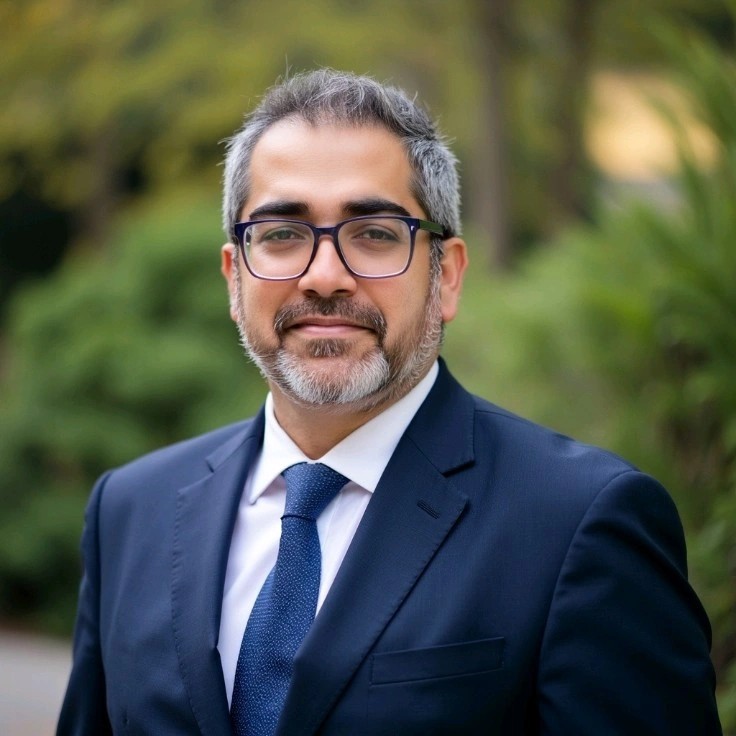
Sahil Nijhawan lost four Melbourne travel stores to COVID. The relationships he kept warm through the lockdowns, and a new habit of planning for the worst case, carried the rebuild.

He Lost Everything: How To Rebuild Your Life Bigger & Better After Losing It All | Sahil Nijhawan
Video from The Business Game.
Generated from the canonical interview transcript and validated against source data by Guests on Air.
How do you rebuild a business after losing everything?
Stay in touch with the people you already know, take whatever honest work keeps you moving, and plan every new venture around the worst case rather than the best. Sahil Nijhawan rebuilt this way after COVID closed four Melbourne travel stores, and the contacts he kept warm later opened doors in real estate, construction and travel.
Before COVID, Sahil Nijhawan and his wife ran four retail travel stores in Melbourne, alongside an inbound travel business, with more than 20 staff. Then travel stopped almost overnight. Melbourne went on to spend close to two years in lockdown, and about a year in, the stores had to close and the team had to be let go.
What followed was not a quick pivot. Nijhawan took 4am supermarket shifts, trained school students in food safety over video calls and, at a friend's urging, moved into real estate, the last job he had ever wanted. In an interview on The Business Game, he describes those years as both a learning and a blessing.
Today he leads Nexus DMC Oceania, which he says is doing about $30 million in Australia alone, while backing construction, AI and short-term rental ventures. The thread through the rebuild was simple: the relationships he never let go cold, and a new rule about planning for what could go wrong.
Key takeaways
- Keep talking to your contacts when business stops; the people Nijhawan stayed close to backed his first deals in real estate.
- Join business and community clubs to build relationships, not to measure the return in the first few months.
- Run the numbers on every new venture against the worst-case scenario, never the best case.
- Taking any honest work during a collapse keeps you moving and widens how you see other industries.
1. Losing everything in a Melbourne lockdown
When the travel industry shut down, Nijhawan expected the closure to be short. The news kept saying things would reopen in two or three months, so he kept the stores alive and kept every staff member on board for roughly the first three months. Some government help followed, but with no clear reopening date, the real damage showed about six months in, when no money was coming in and clients were being refunded.
About a year after the shutdown, he had to put the white flag up. The staff were let go, the stores were closed and the rental side of the business was wound up. Melbourne's lockdown ran for nearly two years, so when it finally lifted there was nothing left to go back to. What remained was the hope that travel would return and the need to keep moving in the meantime.
To keep his sanity, Nijhawan took whatever work he could find. He stacked supermarket shelves on 4am shifts beside colleagues in their early twenties, and he trained school students over video calls. He says the experience humbled him, made him persistent and left him, in his words, absolutely fearless about taking risks today, because he knows a business can be built back again.
2. Relationships that carried the rebuild
A friend who owned a real estate business told Nijhawan he was sitting at home going crazy and should try real estate. It worked because he had kept his corporate contacts. He kept talking to the people he had dealt with through the hard times, and when he brought them a strong deal to invest in, they backed him. His first two years in real estate produced strong numbers.
The same habit later paid off at Nexus and in construction. When Nexus wanted to start club programs, Nijhawan picked up the phone and called old contacts and the business clubs he had met with, and people wanted to partner. When he started a construction company, real estate contacts from years earlier said yes to coffee, and the work followed. He notes it took a couple of years for those relationships to warm up.
His advice for anyone without a network is to join the business clubs in their city and the community sports clubs where their children play. The mistake, he says, is judging a club by its return from day one. Even as AI changes how companies operate, he believes the old handshake will never go away, because that is where real connections get built.
3. Planning for the worst case, not the best
Asked what a smaller business owner should put in place before a disruption like the one he lived through, Nijhawan points to the safeguards he did not have: systems that assume things can go wrong. When the business was profitable, he and his wife were in what he calls a high-fly mindset and never stopped to ask what the worst case might look like.
Now he works his numbers around the worst-case scenario on every idea, from construction sites to rental occupancy. If he can handle that outcome, the risk is worth taking. If a business still wins in the worst case, he argues, it is a good business to be in, because the world moves too fast to count on the best case arriving.
The rebuild also changed how he spreads risk. His portfolio now runs across travel, construction, short-term rental software and a tea brand, each with a leader he trusts to make decisions. Persistence still matters, but the challenge has moved from starting to scaling, and he still sees people and warm relationships as the part of business that AI cannot replace.