Criminal Justice
How a Coerced Confession Cost Jeff Deskovic 16 Years
Jeff Deskovic explains how weeks of police pressure, a false confession and ignored DNA evidence sent him to prison as a teenager, and which reforms would stop it happening again.
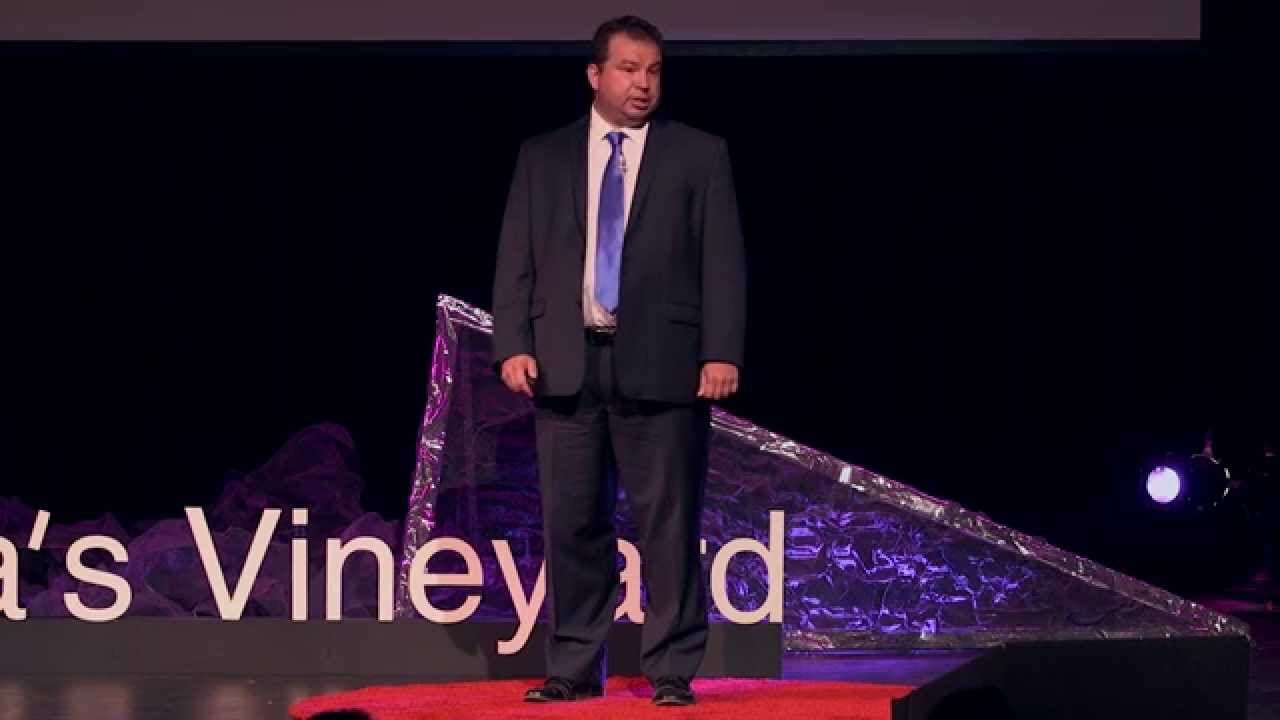
The true injustice of wrongful conviction | Jeffrey Deskovic | TEDxMarthasVineyard
Video from TEDx Talks.
Generated from the canonical interview transcript and validated against source data by Guests on Air.
How can an innocent teenager be convicted even when the DNA does not match?
Deskovic says wrongful convictions come from repeatable failures: interrogations that pressure people into false confessions, prosecutors who explain away DNA that does not match, underfunded defense lawyers and appeal courts that put procedure ahead of innocence. His case hit every one of them. His fixes are recording every interrogation, oversight of prosecutors and properly funded public defense.
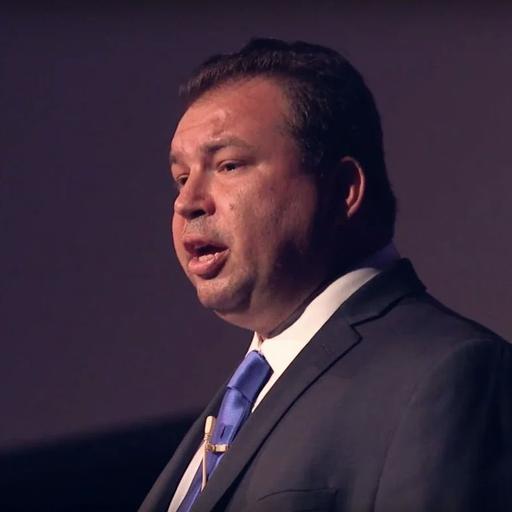
In 1989, when a classmate was raped and murdered in the small city of Peekskill, New York, a 16-year-old Jeff Deskovic became a suspect largely because other students told police he seemed strange. In his TEDx talk at Martha's Vineyard, he walks through how that suspicion turned into a confession he never should have given.
His account is not a story about one bad officer. It is a chain of failures: weeks of friendly police contact, a polygraph far from home, hours of pressure with no lawyer and no food, a trial where the DNA was explained away, and appeals that failed on procedure. At each step the system could have caught the error and did not.
Deskovic spent 16 years in prison before the Innocence Project took his case and new DNA testing matched the actual perpetrator. He now argues for concrete reforms, from recording interrogations to oversight of prosecutors, and closes with a warning that what happened to him could happen to anyone's son or daughter.
Key takeaways
- Coerced false confessions caused wrongful convictions in about a quarter of cases, and young people are especially vulnerable.
- Long interrogations, food deprivation, threats and false promises can push an innocent teenager to confess to a crime he did not commit.
- Recording interrogations from beginning to end protects suspects and honest officers, and the cost is small next to lawsuits and payouts.
- Deskovic calls for a commission on prosecutor conduct, better funded public defense and capped caseloads to make convictions more accurate.
1. How the interrogation broke a 16-year-old
For about six weeks the police treated Deskovic as both a suspect and a helper. Officers asked his opinions, congratulated him on them and said the other kids would talk around him. Then they persuaded him to take a polygraph, saying there was new information in the file they could only share if he passed.
Instead of the local station, they drove him 40 minutes to Brewster in Putnam County, so he could not leave on his own. He had no attorney and was given nothing to eat. Before the test he was handed cup after cup of coffee, and the polygrapher, a sheriff's investigator posing as a civilian, questioned him for hours using third-degree tactics.
Near the end, the examiner claimed the machine showed he was guilty, and an officer who had played his friend warned that colleagues were about to hurt him. After six and a half to seven hours of denial, frightened and told he could go home, Deskovic made up a story from details the police had given him. He ended the session on the floor, crying.
2. Why DNA evidence did not stop the conviction
Before trial, an FBI lab test showed the semen found in the victim did not match Deskovic. Rather than admit a mistake, the prosecution pressed ahead. According to Deskovic, the medical examiner falsely told the jury the 15-year-old victim had been sexually active, which let the prosecutor argue the DNA could have come from consensual sex.
His defense attorney never called a witness to his alibi, that he was playing Wiffle ball when the crime happened, never cross-examined the medical examiner and never used the DNA to show the confession was false. When Deskovic wanted to testify about the threats and the false promise, his lawyer refused, saying it was the prosecution's job to prove guilt.
The jury stood 11 to one for conviction until the holdout learned they would be sequestered over Christmas and changed his vote. At sentencing the judge told Deskovic that maybe he was innocent, yet imposed 15 years to life. Every appeal after that failed, including a federal petition rejected because it was filed four days late.
3. What would prevent the next wrongful conviction
Deskovic's first fix is simple: videotape interrogations from beginning to end. A recording would show whether a suspect was coerced, whether they truly knew non-public facts and whether police used threats or false promises. It would also protect honest officers from false claims, and he argues the equipment pays for itself against lawsuits and compensation payouts.
He also wants a commission on prosecutor conduct with power to investigate and punish intentional misconduct, plus a better system of public defense for the poor. That means parity in staff and money between both sides, limits on caseloads that can reach 100 clients for one public defender, and one statewide system with oversight and quality control.
To push that work forward he started the Jeffrey Deskovic Foundation for Justice, committing a million and a half dollars to prevention, exonerations and helping exonerees rebuild their lives. He asks listeners to learn more, support groups in the field, offer pro bono help and contact elected officials, because he had never been arrested for so much as a violation, and it could happen to anyone.