Business
Good Bones: Finding Value in What Already Stands
Kevin Kennon explains how reuse often beats demolition for cost, time and resilience on urban and remote projects.
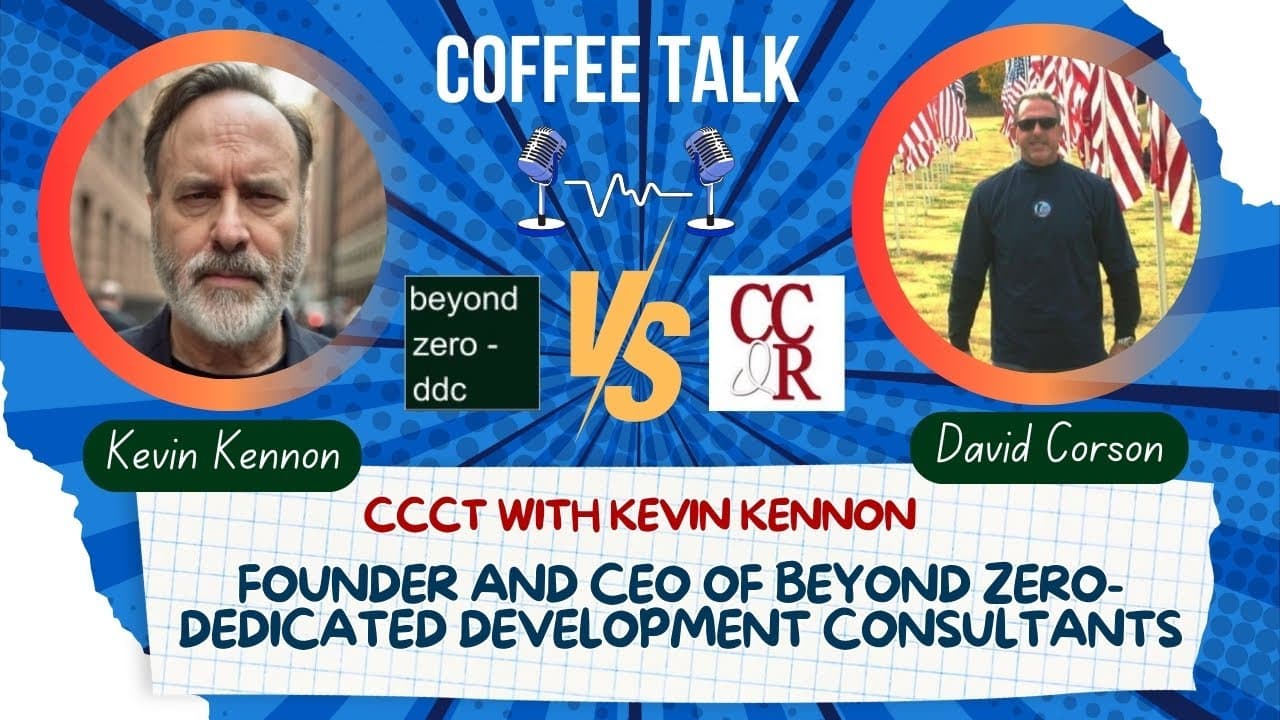
CCCT with Kevin Kennon, Founder and CEO of Beyond Zero-Dedicated Development Consultants
Video from Commercial Construction & Renovation.
Generated from the canonical interview transcript and validated against source data by Guests on Air.
How can developers and architects find value by reusing existing buildings instead of demolishing?
Look beyond land clearance. Assess the existing frame, bay sizes, slab heights and plumbing stacks. Model worst-case infrastructure relocation costs and compare reuse versus new-build timelines. When the structure accommodates the program, reuse often saves time, embodied carbon and cost while preserving craft and urban value, but it requires early technical alignment.
Kevin Kennon has spent decades turning hard, overlooked structures into high-value buildings. He moved from large commissions to founding Beyond Zero DDC to take the risk of development himself. This shift reframes buildings on a site as assets to read and reuse, not just obstacles to clear, and it changes how teams size work, budgets and schedules.
Across projects from Tribeca loft conversions to remote resorts, Kennon reads an existing frame for what it can carry. His work repurposed an American Express building into luxury condominiums and treats concrete frames as opportunities to speed conversion. Reuse can reduce cost and timeline while retaining craft and urban memory. The approach demands technical reading and candid trade-offs up front.
He argues that realizing value in what stands shifts returns away from land speculation toward careful assessment of structure and services. Successful reuse means aligning owners, lenders and builders early and planning for plumbing, bays and curtain walls before enthusiasm outruns feasibility. That discipline shortens delivery, improves sustainability, and preserves character while creating returns that conventional clearing would overlook.
Key takeaways
- Reusing an existing frame often cuts time and cost versus demolition, if technical services and bays align early.
- Concrete office buildings can be easier to convert because structural bays are smaller and plumbing can be routed.
- When designers become developers they accept financial risk and can eliminate client-driven compromises to protect project quality.
- Successful reuse preserves urban memory and craftsmanship while delivering measurable sustainability benefits and competitive returns.
1. Read the frame before you clear
Before demolition becomes default, walk the structure with an engineer and MEP specialists. Measure bay sizes, slab-to-slab heights and locate shafts; those numbers determine feasible apartment or retail modules. Early assessment of plumbing stacks, core locations and curtain-wall condition changes the cost math. If the floor plates and service risers accept new uses, conversion shrinks timelines, reduces material waste and unlocks hidden return and value.
Developers and lenders look at plumbing riser relocation costs as make-or-break items. Reuse proposals must model the worst-case expense for infrastructure relocation and compare it to a clean-sheet build's soft and hard costs. A transparent pro forma that shows where the frame saves months and where services will add cost earns lender confidence and often unlocks bridging capital to carry a conversion through permitting process.
As Kennon emphasizes, early alignment between owner, architect and contractor prevents optimism bias from overpowering feasibility. Decide big trades early: apartment versus rental, façade retention, and mechanical vertical cores. Each decision narrows scope and lets design concentrate value where the market pays. That discipline reduces surprises in construction and helps preserve character without sacrificing predictable returns. It forces real trade-offs that protect budgets and schedule while improving long-term asset performance.
2. Model trade-offs and lender-ready pro formas
Kennon argues that becoming the owner reveals necessary compromises that commissions mask. When architects take the financial risk they learn to price durability, systems routing and amenity trade-offs precisely. Developers who began as designers can balance aspiration with cashflow, deciding which original character to keep and which elements must be new. That clarity prevents scope creep and preserves the project's economic viability over time consistency.
He recalls repurposing the American Express building in Tribeca where the shell became luxury condominiums. That project taught him to treat the frame as an asset and to factor in butchered cores and party-wall constraints up front. The conversion saved demolition costs, preserved craftsmanship, and let the team market a distinctive product faster than a complete rebuild would allow across financing cycles and markets.
Modeling two scenarios—full demolition and reuse—lets teams compare timelines and contingency needs. A reuse scenario that shows months shaved from delivery and lower embodied carbon persuades sustainability-minded investors. Kennon says this transparency reduces cost overruns and improves predictability. In practice it means detailed construction phasing and committed contractors early to protect the frame and avoid value erosion during heavy demolition. That discipline also supports marketing and leasing strategies tied to adaptive reuse value.
3. Preserve craft, scale sustainability, read the future
Beyond Zero's mandate blends reuse thinking with off-grid projects that must generate and store power on site. Kennon explains that choices in remote resorts—local materials, on-site generation and simplified systems—translate to urban projects by lowering embodied carbon and materials waste. Designers who understand logistics of shipping and on-site assembly can value what to build versus what to import, and that clarifies sustainability trade-offs for clients.
A related reading is the book The Rodin Museum Seoul. Studying projects that prioritize material expression reveals how a singular architectural idea influences detailing, light and fabrication choices. Kennon suggests that when reuse preserves authentic material craft it often yields higher perceived value than generic new construction. Designers should document existing workmanship and let it inform new interventions, both to honor place and to attract premium users.
If you own or evaluate an older building, start with a measured checklist: bays, slab heights, core locations and plumbing routes. Bring an engineer, an MEP specialist and an experienced contractor to the first walkthrough. Kennon advises designers and owners to model both reuse and new-build scenarios to let data reveal the better return. Early candor keeps budgets honest and helps projects deliver both profit and meaning.