Mental Health
Dr. Maria-Elena Lukeides on Why Fear-Driven Days End in Burnout
A clinical psychologist explains how adrenaline-fuelled workdays, a borrowed sense of purpose and a mind cut off from the body keep people stuck in a loop of relief and exhaustion.
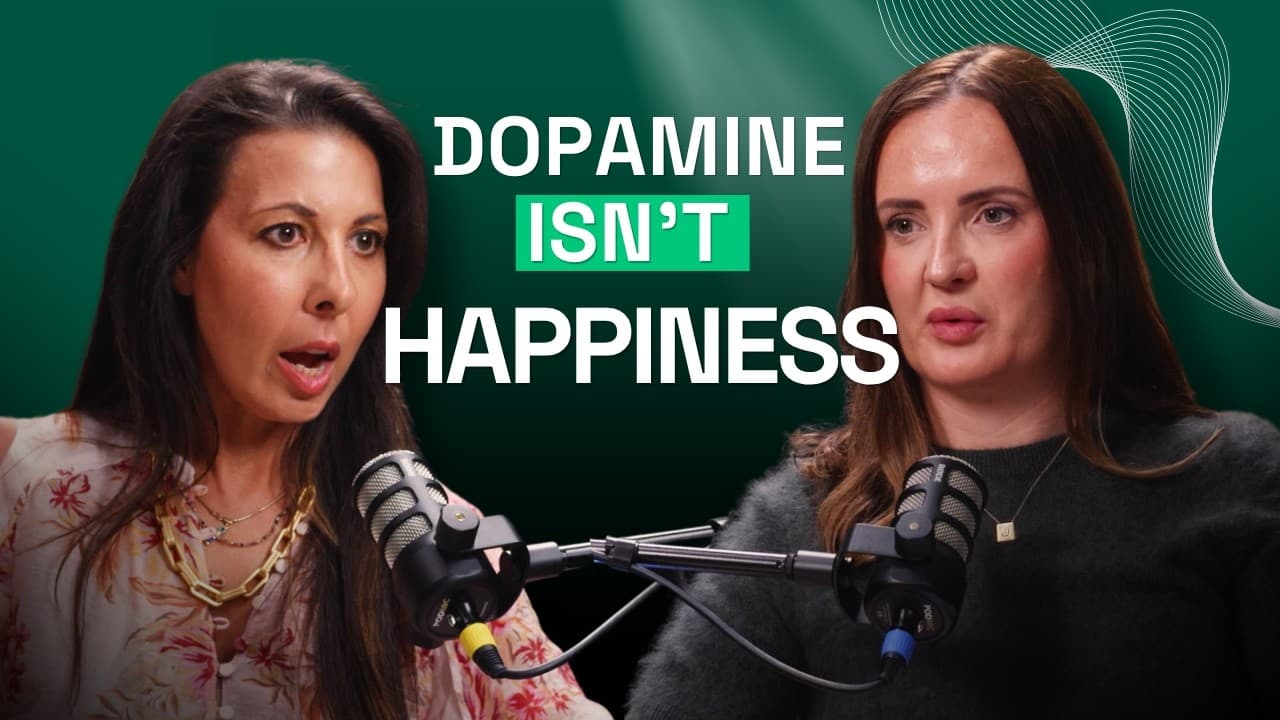
You can't think your way out of a problem
Video from Stay at the Top Podcast.
Generated from the canonical interview transcript and validated against source data by Guests on Air.
Why do adrenaline-driven workdays lead to burnout?
When every task is treated as a threat to avoid, the body runs on adrenaline and cortisol, and finishing the task brings relief rather than reward. Repeated daily, that loop ends in exhaustion. Reframing tasks around what a person values and noticing stress in the body earlier can help break the cycle.
Dr. Maria-Elena Lukeides, a clinical psychologist based in Sydney, joined the Stay at the Top podcast to talk about stress, burnout and the growing gap between what the mind is doing and what the body is feeling. Lukeides says the pressure in everyday life is now so high that the anxiety is almost something you can touch in the air.
The conversation also covered psychedelic-assisted therapy, which Lukeides works in under Australia's tightly regulated treatment model, and the sleep problems that follow chronic stress. The thread running through every part of it was the same: people are bracing against their days, using cortisol and grunt to get through, and losing touch with the signals their bodies send.
This article draws on that interview to explain the threat loop Lukeides sees behind so much burnout, why work so often becomes a person's purpose by default, and the simple body-based practices and reframes that can help people step out of that loop before exhaustion takes over.
Key takeaways
- Treating every task as a threat to avoid fuels the day with adrenaline, and finishing it brings relief rather than reward.
- Relief followed by exhaustion, repeated every day, is a simple way to describe the cycle that ends in burnout.
- If work is what a person worries about most of the time, it becomes their purpose by default, not by choice.
- Dropping anchor, a quick release of the belly, jaw and breath, moves attention out of the mind and into the body.
1. Why the body only speaks up at an eight out of ten
Lukeides describes a typical modern day as a run of quick transitions: getting children to daycare, rushing to meetings, commuting home in traffic, then moving straight into dinner, homework and bath time. Each point of the day is measured by the next task on the list. That pace keeps people living in their heads, leaning on the thinking mind to manage everything.
The cost is sensitivity. When people are present in the body, they can notice stress and respond while the feeling is still a three out of ten. When the mind is busy running task lists and solving problems, the body is pushed aside, and it only gets attention once the signal reaches an eight or a nine and is fighting to be heard.
Lukeides links this to what happens physically under pressure. The body hardens and armours itself, breathing becomes shallow, the jaw clenches and the chest tightens. A steady supply of minor daily threats, such as the fear of being late for the next meeting, keeps that bracing switched on for most of the day.
2. The threat loop that turns effort into exhaustion
Lukeides separates two ways of fuelling action. When people approach a task as something they can handle, the brain releases dopamine and finishing it brings a genuine sense of reward. When the same task is seen as an obstacle with consequences attached, such as being fired or getting into trouble, the day is fuelled by adrenaline instead.
The difference shows up at the end. Even when people complete their adrenaline-fuelled tasks successfully, they are not rewarded for it. All they get is relief, and what comes after relief is exhaustion. They collapse at home, sleep, and wake up to the same set of perceived threats, which Lukeides describes as a clear picture of burnout.
Because the cycle is never rewarding, people have to produce more and more adrenaline just to get through the door each morning. Lukeides treats this as the brain's default rather than a personal failing. Human brains are wired to be better safe than sorry, so sliding back into threat mode is normal and calls for compassion, not criticism.
3. When work becomes a purpose by default
Lukeides argues that people often place too much value on their job title as a source of identity. As the joke from the interview goes, no one has their LinkedIn profile on their tombstone. Thinking about the end of life in a clarifying rather than morbid way can show what really matters and how to spend more of life on it.
If work takes up most of a person's energy and worry, it becomes their purpose whether they chose it or not. Lukeides points to two reward pathways: dopamine, which brings achievement but needs ever bigger wins, and oxytocin, the bonding hormone of rest, play and connection, a state where there is nothing left to chase.

The practical shifts are small. Lukeides suggests linking chores and work tasks to things people genuinely value, ticking tasks off so the brain registers success, and a technique called dropping anchor: release the belly, soften the shoulders, open the mouth, drop the tongue and take slow, even breaths. The parting advice was to drop into the body and out of the mind.