Artificial Intelligence
Bruce Randall on Why AI Can Mimic Thinking but Not Consciousness
The former Oracle and AT&T leader, who is also a Reiki master, explains why AI remains a trained database and how people can use it without losing touch with themselves.
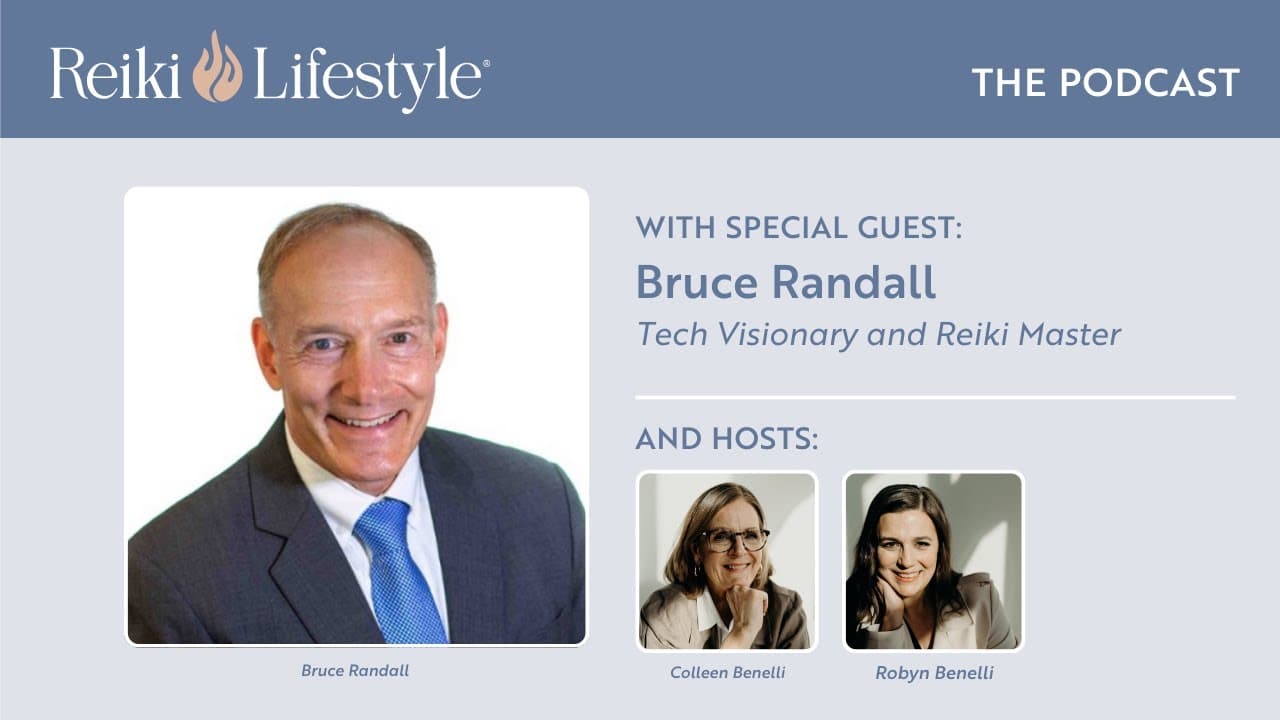
Guest: Bruce Randall | Tech Visionary and Reiki Master
Video from Reiki Lifestyle.
Generated from the canonical interview transcript and validated against source data by Guests on Air.
Can artificial intelligence become conscious?
Bruce Randall argues that it cannot. In his view, AI is a database that learns only from what people put into it, while consciousness is something humans are born with rather than something anyone can build. The real opportunity is to use AI with clear intention, check what it produces, and keep doing the inner work that machines cannot do.
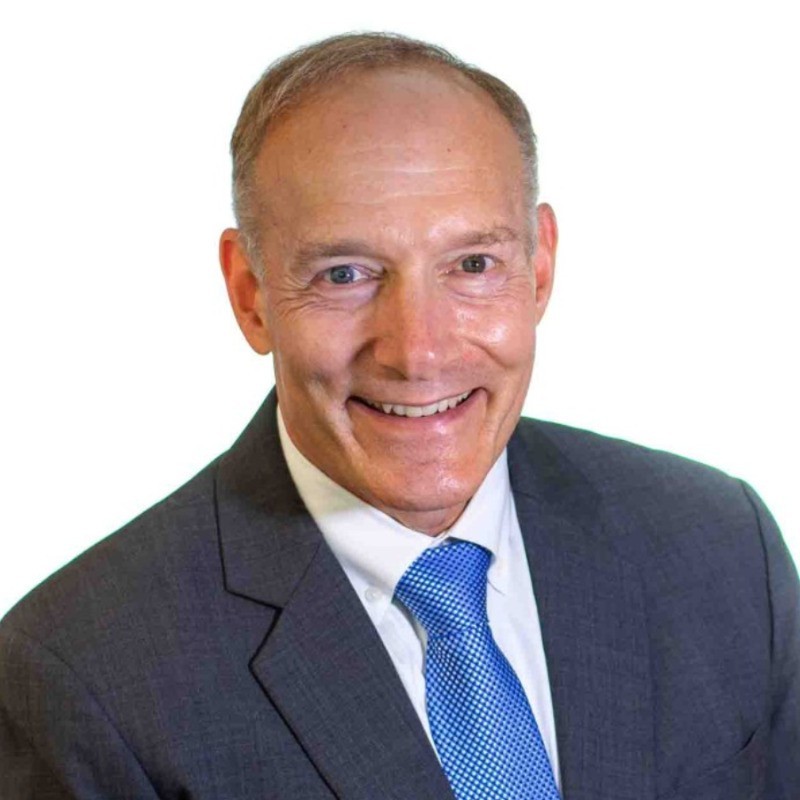
Bruce Randall spent more than 25 years in cloud strategy and leadership at Oracle and AT&T, and he is also a Reiki master with about 14 years of practice. On the Reiki Lifestyle Podcast with hosts Colleen and Robin, he brought both sides of that life to one of the loudest questions in technology right now: can AI become conscious?
His answer is a firm no, and his reasons are practical rather than mystical. AI, as he describes it, is a database trained on what people feed it. Consciousness is something we arrive with. Mixing the two up, he warns, leads people to trust machine output far more than they should.
That does not make him a sceptic about technology. He took an MIT certificate course in data science to understand how the systems work underneath, and he has built his own AI application. His case is that the people who understand both the tools and their own inner life will be the ones who use AI well.
Key takeaways
- AI returns what it was trained on, so its answers are only as good and as current as the data behind them.
- Consciousness is something people are born with, which is why Randall doubts any machine can be built to have it.
- Better prompts come from better questions, and the real answer often sits two or three levels below the first one.
- Grounding habits, from gardening to meditation, keep people steady while the technology changes around them.
1. AI is a trained database, not a mind
Randall's starting point is simple. When people ask whether AI will become sentient, he reminds them what it actually is: a database that has learned from what humans put into it. The output reflects that input. A search engine pulls titles and data from across the world, but an AI model brings back only what it was trained for.
He takes the claims seriously enough to answer them. Some people, including a Google engineer, have said they felt they were talking with something conscious. Randall does not argue with their experience, but he draws a firm line: consciousness is something we are born with. Nobody creates it, and nobody has shown a way to build it into code.
That view shapes how he uses the tools every day. He tells people to trust and verify, especially when the answer matters. If a result is important, try the same question in a few different places before relying on it. For a low stakes job like planning a patio, a rough answer may be fine. For anything bigger, checking is part of the work.
2. Intention decides which way AI goes
Randall describes AI as inert. It does not care which direction it is pushed, which means the people building and using it carry the responsibility. When AI is created by someone who consciously wants what is best for humanity, he believes it will not head in negative directions. His one real fear is that the wrong person gets hold of it.
He also sees a quieter shift already under way. Children who learn to prompt early, he says, will benefit for decades, because prompting is really the craft of asking good questions. After years in sales and executive management, he knows the real answer usually sits several questions deep, and the same holds when working with a language model.
His own habit is to use several tools side by side. He favours Perplexity because it gives footnotes showing where information came from, and he still checks those sources himself. The point is not to hand thinking over to a machine. It is to use the machine to sharpen the questions a person is already asking.
3. Staying grounded while the technology races ahead
For all his enthusiasm about AI and quantum computing, Randall insists on balance. He has cleared land for a butterfly garden and spends regular time working in the earth, because he needs to offset the ethereal software side of his work with something grounded. While he codes, he plays frequency music that he says charges him and keeps him steady.
His advice to people in technology is to go inside and find their true self, through Reiki, meditation, breathing techniques or simple quiet time. To people from spiritual or mindful fields who feel behind on technology, he suggests 20 minutes a day spent learning something that interests them, starting with how to prompt better than they do now.
He sees quantum computing as the closest thing yet to consciousness, while stressing that it is not there. Readers who want to go further can turn to his book The Quantum Human Paradox: When Quantum Computing Changes Everything: The Human Questions Machines Can't Answer, which pairs technology strategy with his practice in meditation and energy work.
